
How to Use a Pediatric Mouth Prop Safely – A Guide for Parents and Dental Professionals
When it comes to pediatric dentistry, creating a safe and comfortable environment is just as important as the dental procedure itself. Young patients often feel anxious in the dental chair, and keeping their mouths open for an extended period can be challenging. This is where a pediatric mouth prop—sometimes called a bite block—becomes an essential tool.
But like any dental device, it must be used carefully. Whether you’re a dental professional or a parent curious about what happens during your child’s appointment, understanding the proper use of a pediatric mouth prop ensures both safety and comfort.
What Is a Pediatric Mouth Prop?
A pediatric mouth prop is a small, cushioned device designed to gently hold a child’s mouth open during dental procedures. It prevents accidental closure of the mouth, protecting both the child and the dentist’s instruments.
Most mouth props for children are made from medical-grade silicone or rubber and come in different sizes to accommodate small mouths safely.
Why Are Mouth Props Used in Pediatric Dentistry?
Mouth props serve several important purposes:
- Safety: Prevents a child from accidentally biting down on instruments or the dentist’s fingers.
- Comfort: Reduces muscle strain from holding the mouth open too long.
- Efficiency: Helps dentists work more quickly and effectively without frequent interruptions.
- Anxiety management: Children who have difficulty cooperating often feel more relaxed when the device assists them.
Safety Tips for Using a Pediatric Mouth Prop
While highly effective, proper usage is crucial. Here are some guidelines for safe application:
1. Choose the Correct Size
Mouth props come in various sizes (small, medium, large). Using the right size ensures the prop fits securely without causing discomfort or stretching the jaw unnecessarily.
2. Position It Carefully
The prop should rest gently between the child’s upper and lower molars. Proper placement prevents gagging or slipping while maintaining an open airway.
3. Monitor Constantly
Never leave a child unattended with a mouth prop. A dental professional must always supervise to make sure the child is safe, comfortable, and breathing normally.
4. Use Gentle Insertion and Removal
Insert the prop slowly and carefully to avoid startling the child. Removal should be just as gentle to prevent accidental injury to soft tissues.
5. Combine With Reassurance
Explain to the child in age-appropriate language what the device does (“It’s like a pillow for your teeth to help them rest while we clean”). This reduces fear and improves cooperation.

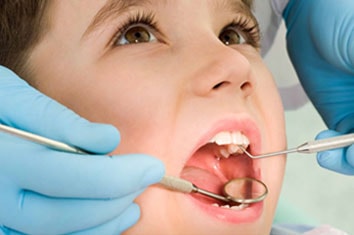
The Parent’s Role
As a parent, you don’t need to worry about handling a mouth prop at home—it’s a tool designed for dental professionals. However, knowing its purpose can ease your child’s anxiety before an appointment. A calm and informed parent often helps a child feel more secure in the dental chair.
Final Thoughts
A pediatric mouth prop is a simple yet vital tool that enhances safety, comfort, and efficiency during children’s dental procedures. When used correctly by trained professionals, it protects little patients and makes dental visits smoother for everyone involved.
If your child’s dentist uses one, rest assured—it’s a safe, standard practice in pediatric dentistry that supports the best possible care.