
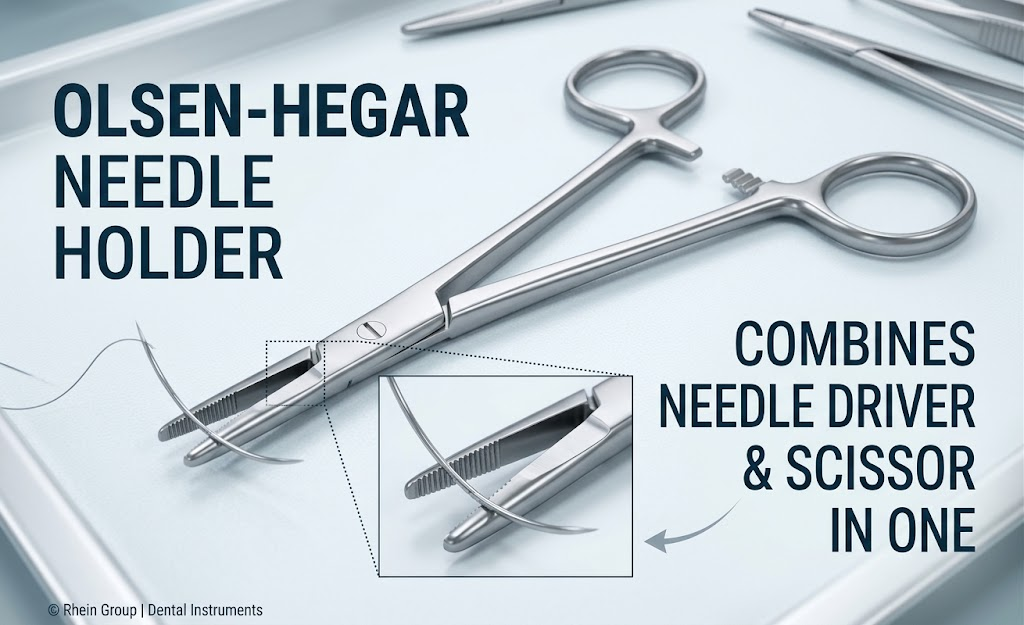
The Olsen-Hegar needle holder is a combination surgical instrument that merges a needle driver and suture scissors into a single tool. Surgeons rely on this instrument because it reduces the number of hand exchanges during a procedure, which in turn shortens operating time. Whether you’re a surgical resident learning instrument identification or a procurement officer […]
03
Jul
Jul
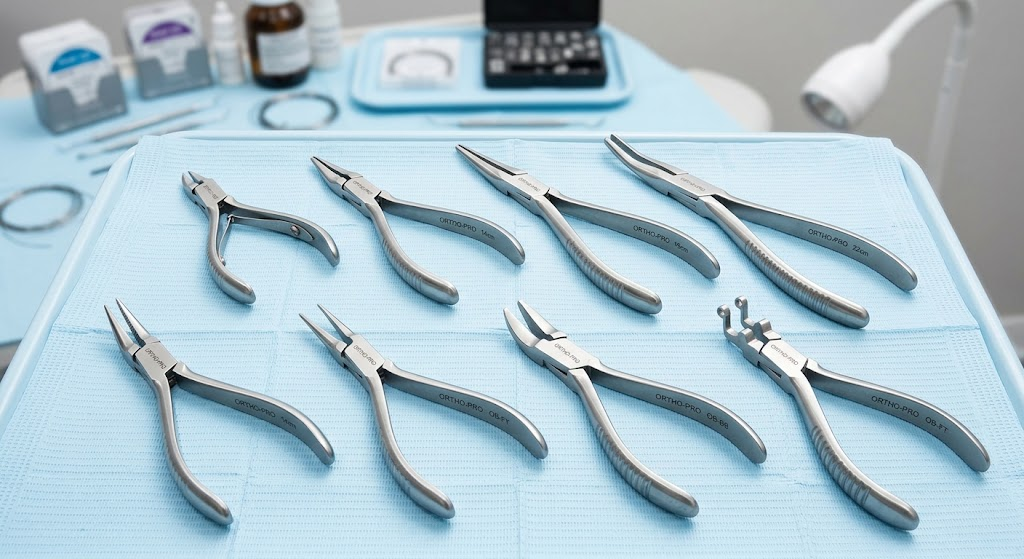
Bone management is one of the most critical aspects of oral and maxillofacial surgery. Whether performing tooth extractions, alveoloplasty, implant site preparation, or removing pathological bone, selecting the correct bone instruments in oral surgery directly influences surgical precision, patient safety, and healing outcomes (Bone Instruments in Oral Surgery). Among the most commonly used instruments are […]
Surgical Instruments Blog
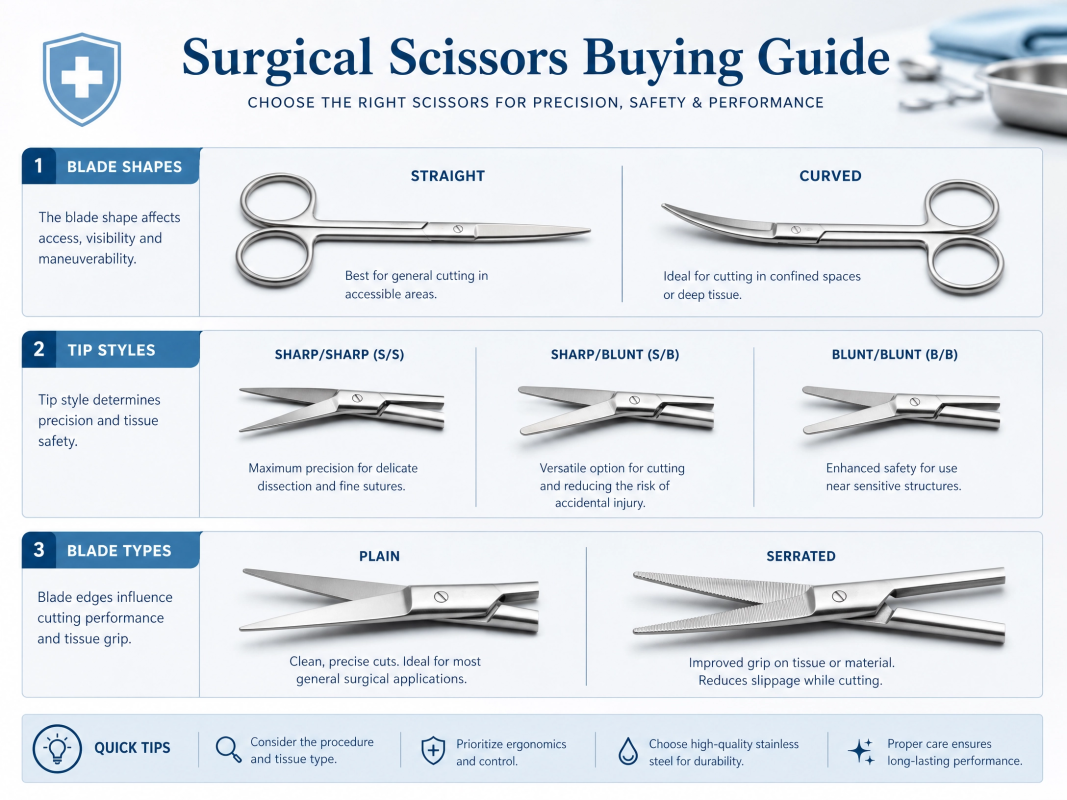
Surgical Scissors Buying Guide: Choosing Blade Shape, Curve, and Tip Style for Every Task
02
Jul
Jul
Selecting the right surgical scissors is about much more than choosing a size. Every procedure demands precision, tissue preservation, and efficiency, making blade shape, curvature, and tip configuration critical factors in instrument selection. Whether you’re purchasing instruments for a hospital, surgical centre, dental practice, veterinary clinic, or educational institution, understanding the design differences between surgical […]
Introduction Surgical retractors are among the most essential instruments in every operating room. Their primary purpose is to hold back tissues, muscles, or organs, creating a clear surgical field while allowing surgeons to work with greater precision. In addition, although retractors may appear simple in design, their effectiveness depends heavily on two critical features: blade […]
24
Jun
Jun
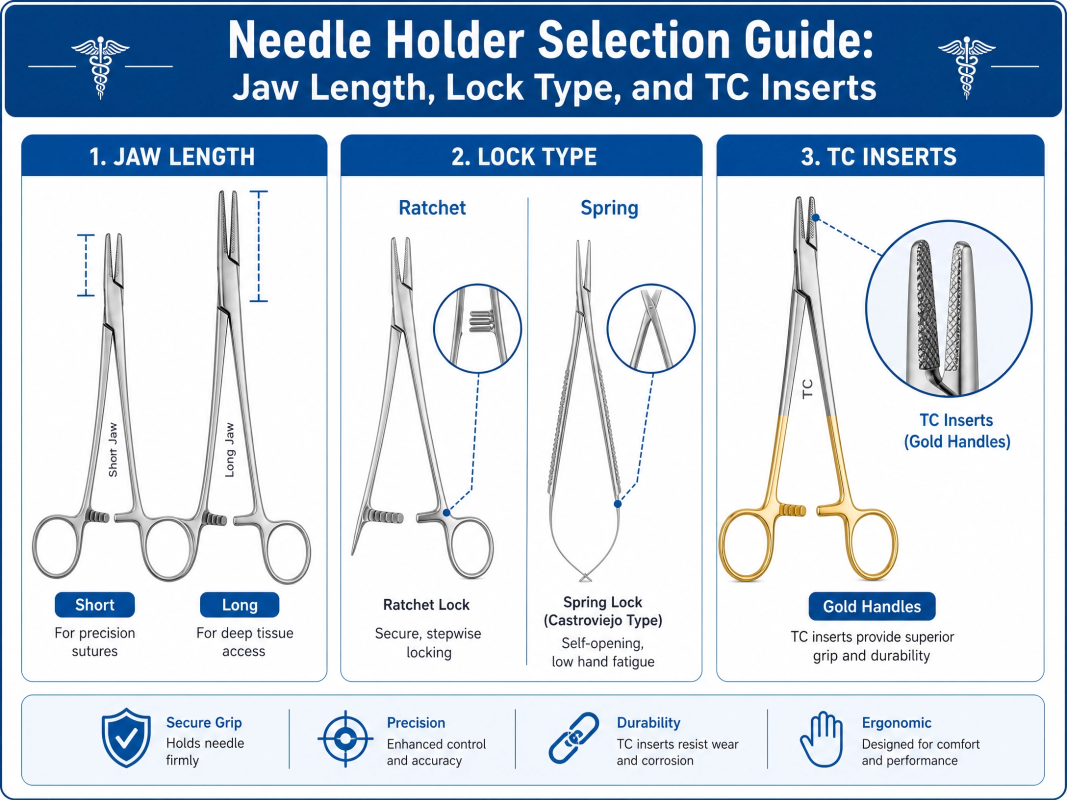
Suturing is a fundamental skill in dental, surgical, and veterinary procedures. While suture material often receives considerable attention, the needle holder used during the procedure plays an equally important role. The right needle holder improves precision, reduces hand fatigue, and helps maintain needle integrity throughout the procedure (Needle holders Selection Guide). However, selecting the ideal […]
20
Jun
Jun
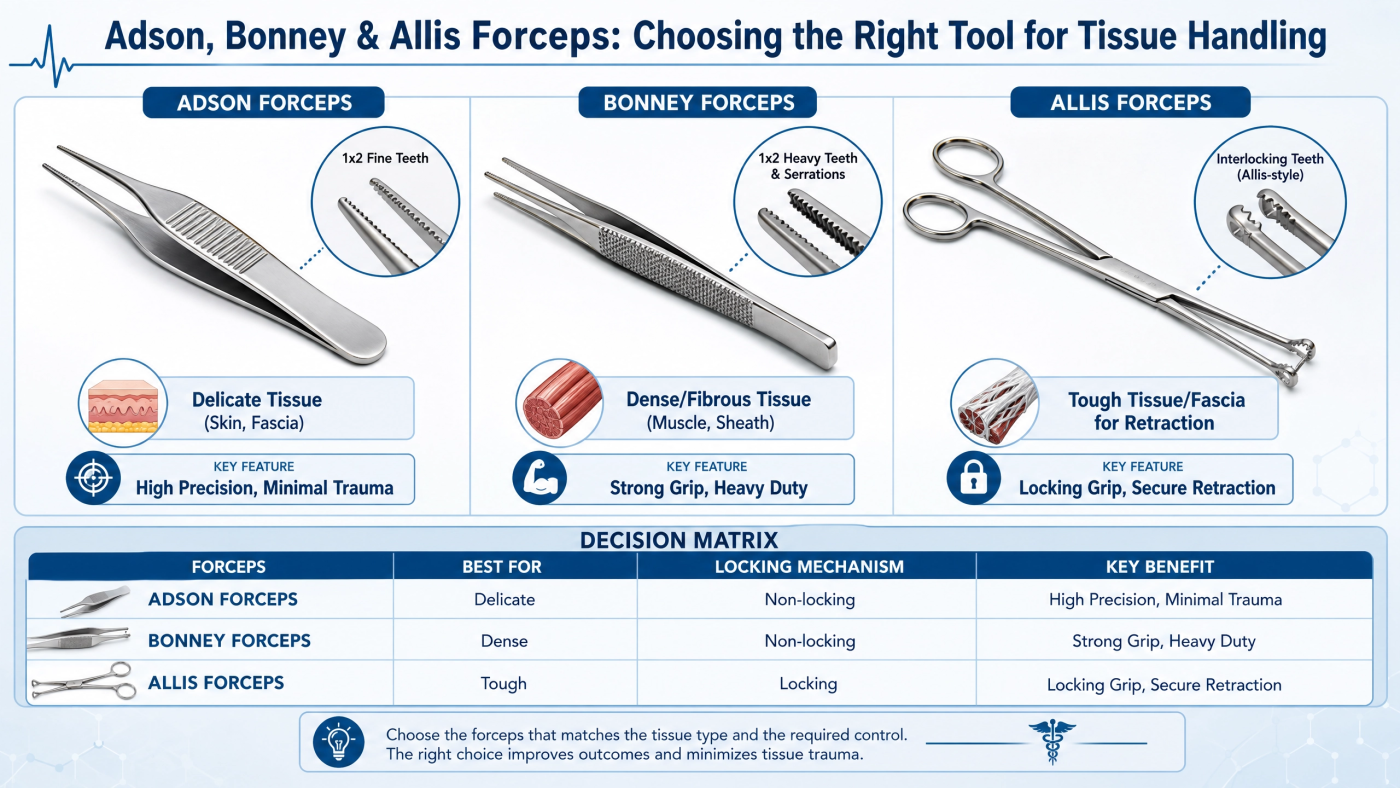
Introduction Every surgical procedure requires precise tissue handling. While surgical skill plays a crucial role, the instruments selected for the procedure often determine how effectively a surgeon can manipulate tissue and minimize trauma. Among the most commonly used tissue-handling instruments are Adson, Bonney, and Allis forceps. Although these instruments belong to the same family, each […]
20
Jun
Jun
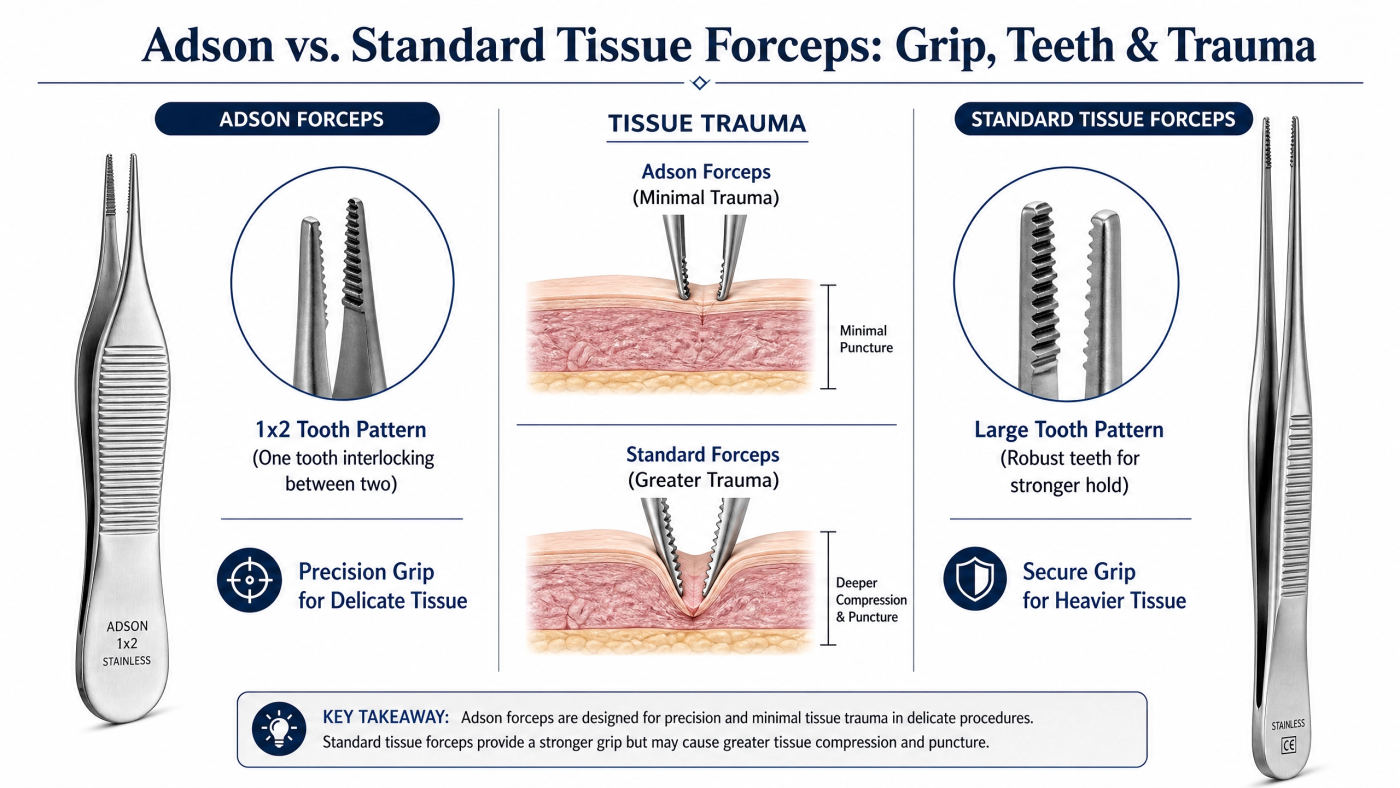
Introduction Tissue forceps are among the most frequently used instruments in surgical, dental, and veterinary procedures. They provide the precision needed to grasp, stabilize, and manipulate soft tissues while minimizing damage. However, selecting the right type of forceps can significantly impact surgical efficiency, tissue handling, and patient outcomes. Two of the most commonly used options […]
Dental Instruments Blog
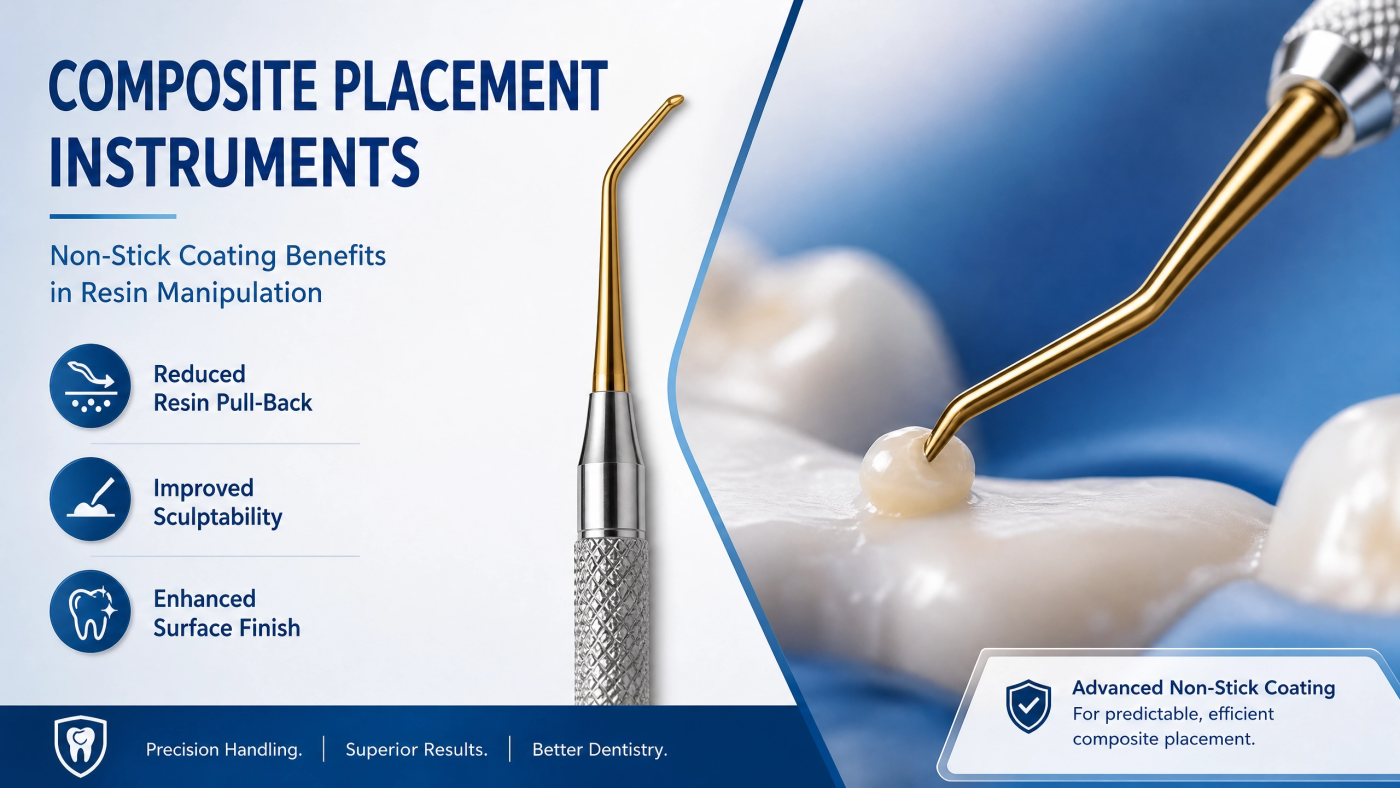
Composite Placement Instruments: Non-Stick Coating Benefits in Resin Manipulation.
18
Jun
Jun
Introduction Composite resin restorations have become the preferred choice for treating both anterior and posterior dental defects due to their excellent aesthetics, durability, and conservative preparation requirements. However, successful composite restorations depend not only on material selection but also on the instruments used during placement. Traditional stainless steel instruments often cause composite resin to stick […]
Dental Instruments Blog
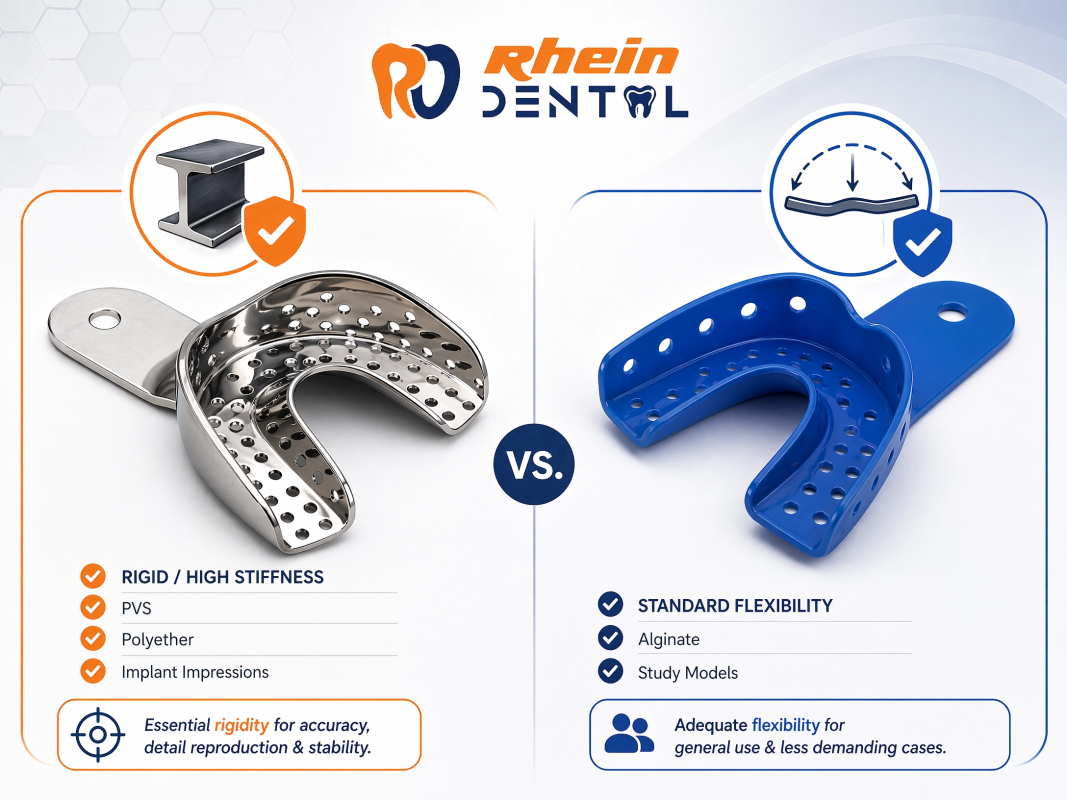
Metal vs. Plastic Impression Trays: Rigidity Requirements for Different Impression Materials.
16
Jun
Jun
Accurate dental impressions are the foundation of successful restorations, crowns, bridges, dentures, and implant-supported prosthetics. While clinicians often focus on impression materials, the impression tray itself plays an equally important role in ensuring dimensional accuracy. One of the most critical factors in tray selection is rigidity (Metal vs. Plastic Impression Trays). The choice between metal […]
12
Jun
Jun
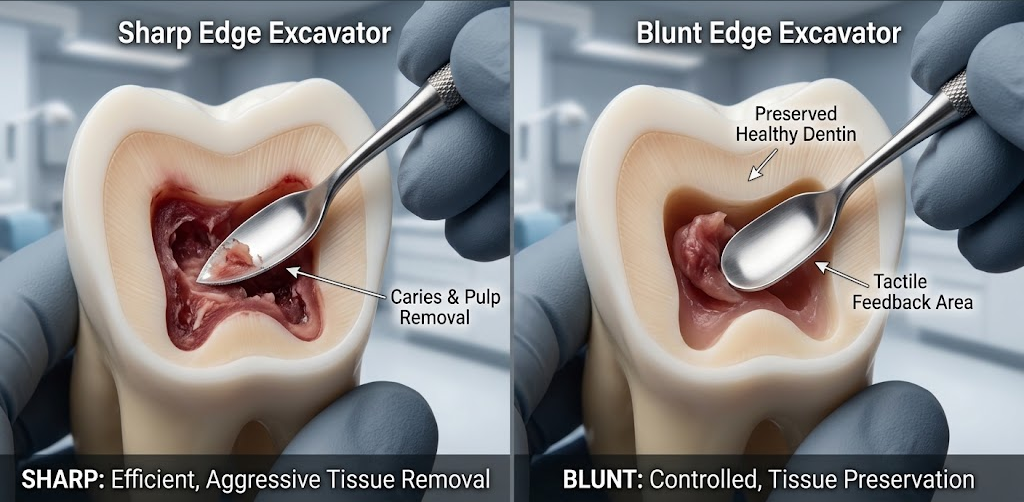
Successful endodontic treatment begins with effective access preparation and thorough pulp chamber cleaning. Among the essential instruments used during this stage, endodontic spoon excavators remain a reliable choice for removing soft tissue remnants, carious dentin, and debris while maintaining procedural control. One of the most important design considerations when selecting a spoon excavator is the […]