
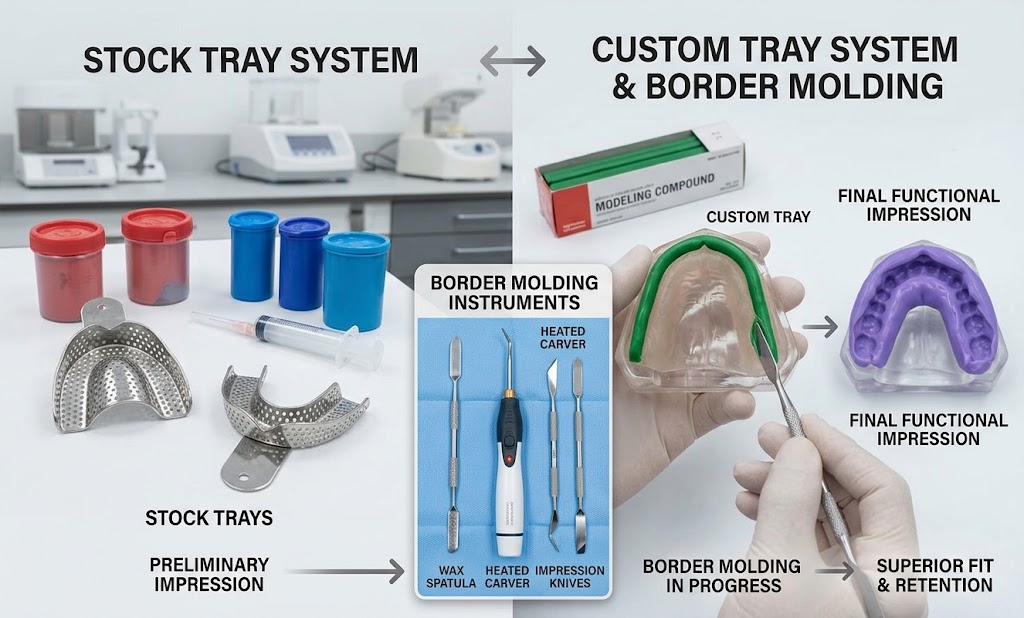
In complete denture prosthodontics, the precision of an edentulous impression determines everything that follows retention, stability, comfort, phonetics, and ultimately patient confidence. Even the most meticulously fabricated denture will fail clinically if the foundational impression is inaccurate. Among the most critical decisions during this stage is the selection between stock and custom edentulous impression trays. […]
Orthodontic Instruments Blog
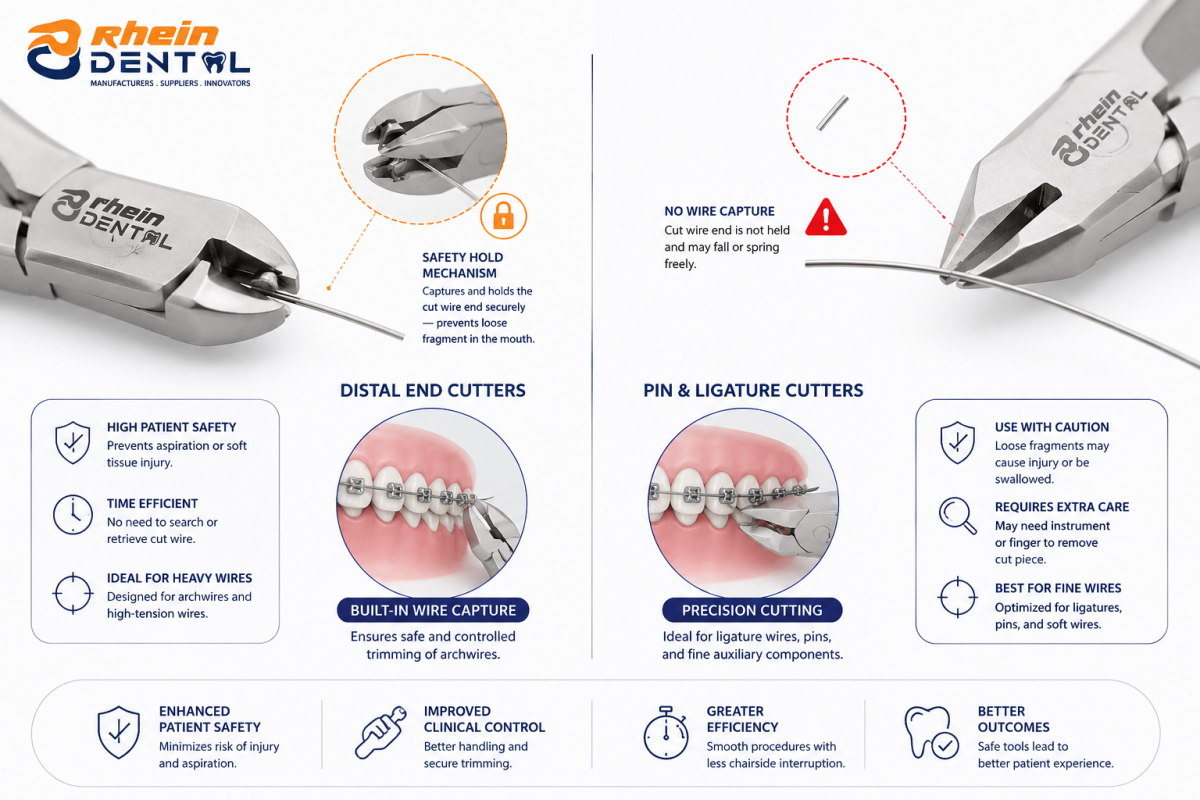
Distal End Cutters vs. Pin and Ligature Cutters: Safety Mechanism Designs That Capture Wire Ends During Trimming
20
May
May
In orthodontic procedures, wire trimming is a routine but highly sensitive task. Whether adjusting archwires at the distal end or cutting ligature wires during appliance placement, clinicians must maintain complete control over trimmed wire segments to protect both patient comfort and procedural efficiency. Two commonly used instruments for wire cutting are distal end cutters and […]
Orthodontic Instruments Blog
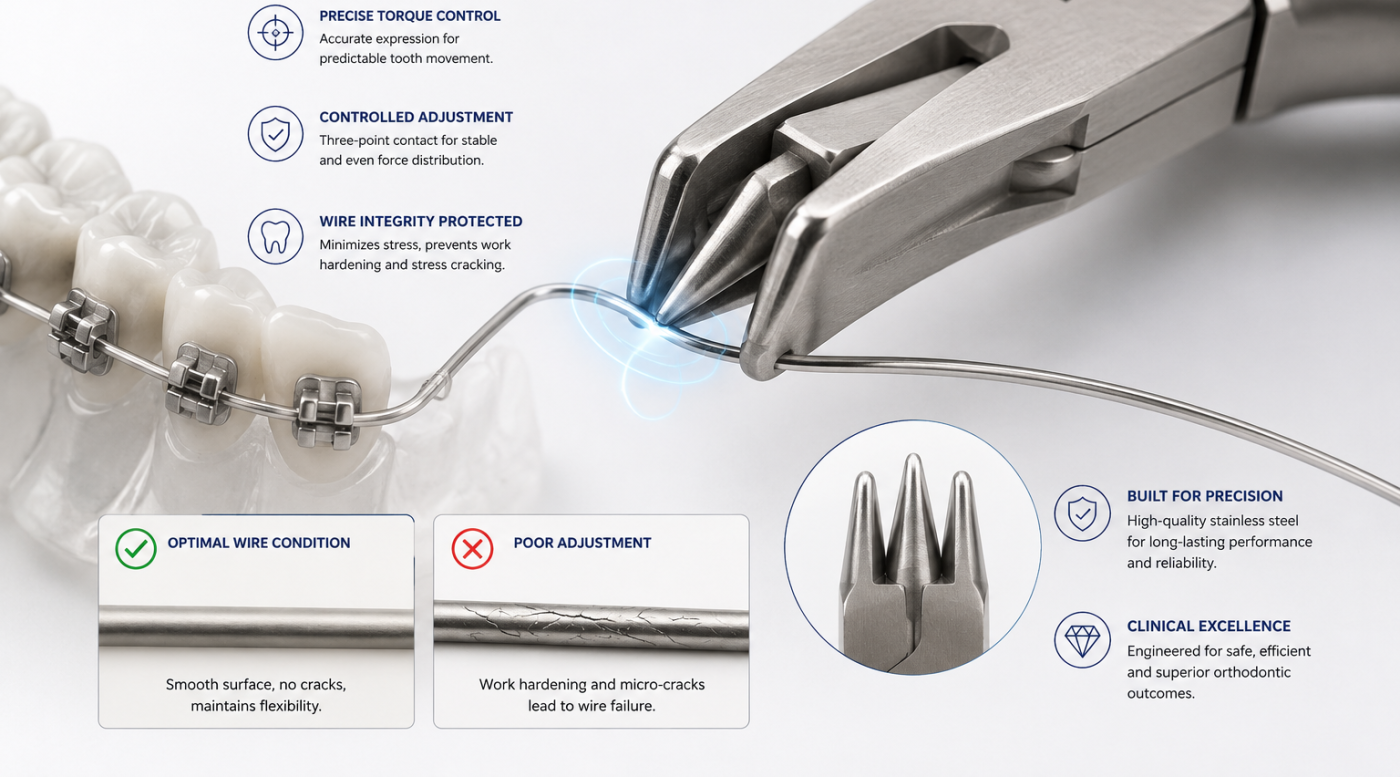
Three-Prong Pliers for Torque Expression: Controlled Wire Adjustment Without Work Hardening or Stress Cracking
20
May
May
In modern orthodontics, precision is everything. From bracket placement to archwire finishing, even the smallest adjustment can influence treatment efficiency, patient comfort, and final outcomes. Among the essential instruments used during wire detailing and torque control, three-prong pliers remain a trusted tool for orthodontists who require controlled wire manipulation without compromising wire integrity (Three Prong […]
Orthodontic Instruments Blog
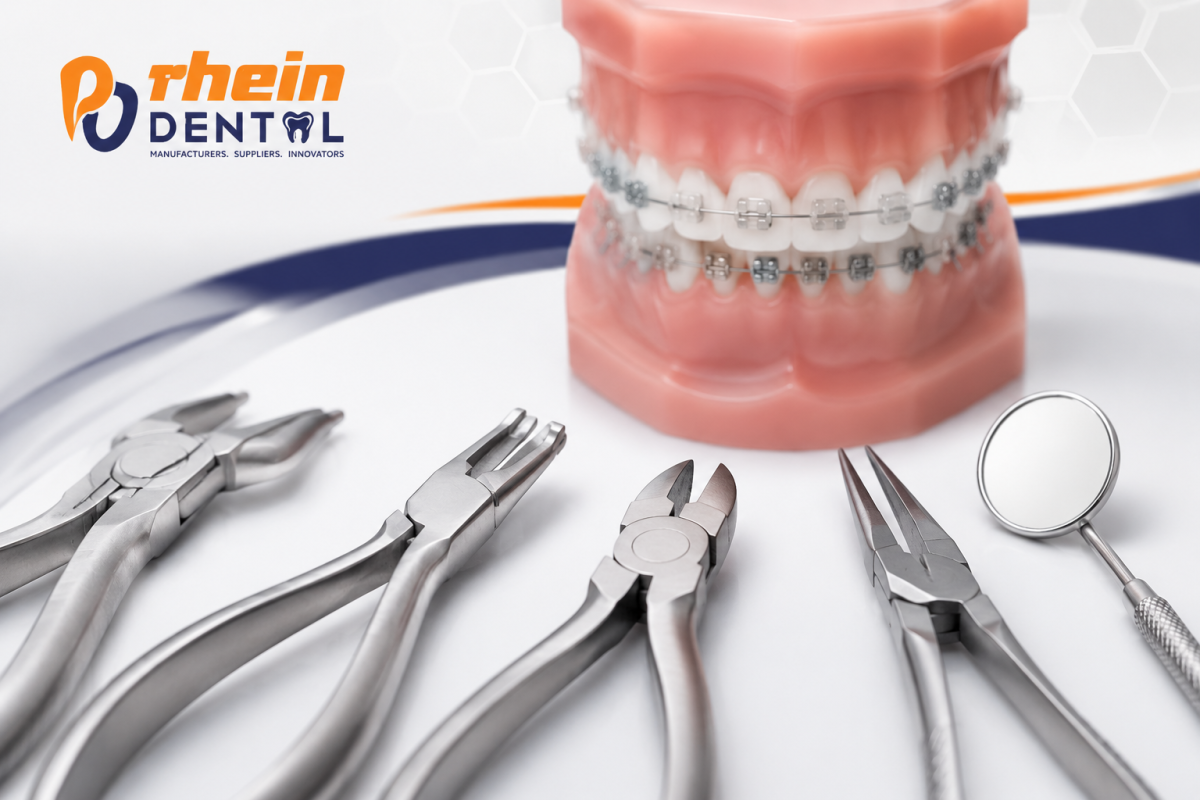
Debonding Pliers for Ceramic vs. Metal Brackets: Force Profiles That Prevent Enamel Fracture During Bracket Removal
19
May
May
Orthodontic treatment does not end when teeth reach their ideal alignment. The debonding phase—where brackets are safely removed from the tooth surface—is equally critical. Improper debonding techniques or unsuitable instruments can lead to enamel cracks, bracket fracture, patient discomfort, and adhesive residue complications (Debonding Pliers for Orthodontics). To minimize these risks, orthodontists rely on specialized […]
Orthodontic Instruments Blog
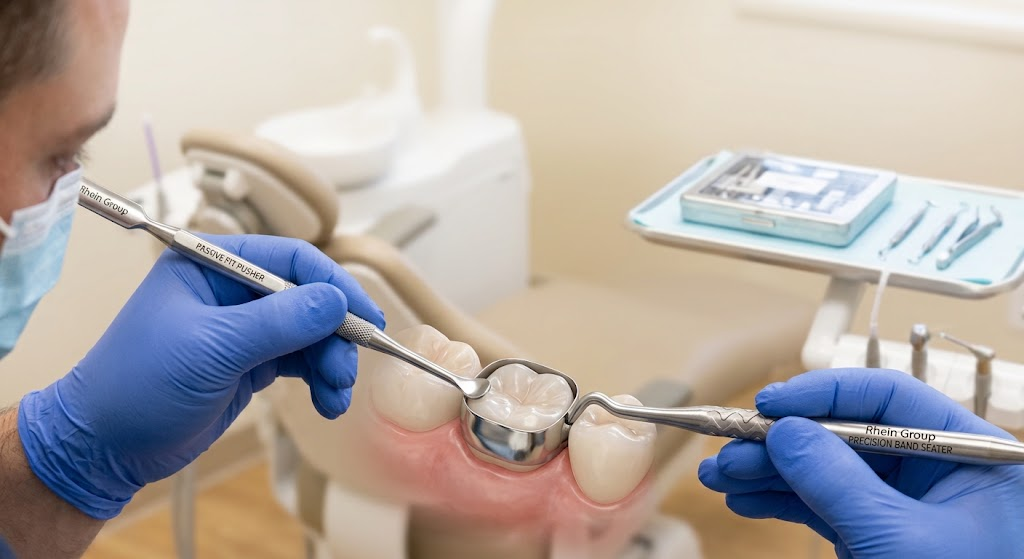
Band Pusher and Band Seater Design: Achieving Passive Fit During Molar Band Placement Without Patient Discomfort
15
May
May
Orthodontic molar band placement may look simple, but anyone who has done it clinically knows it’s a precision-driven step that can make or break the entire appliance stability. A well-adapted molar band ensures proper anchorage, prevents documentation, and supports long-term treatment success. At the center of this process are two often-overlooked instruments: the band pusher […]
Dental Instruments Blog
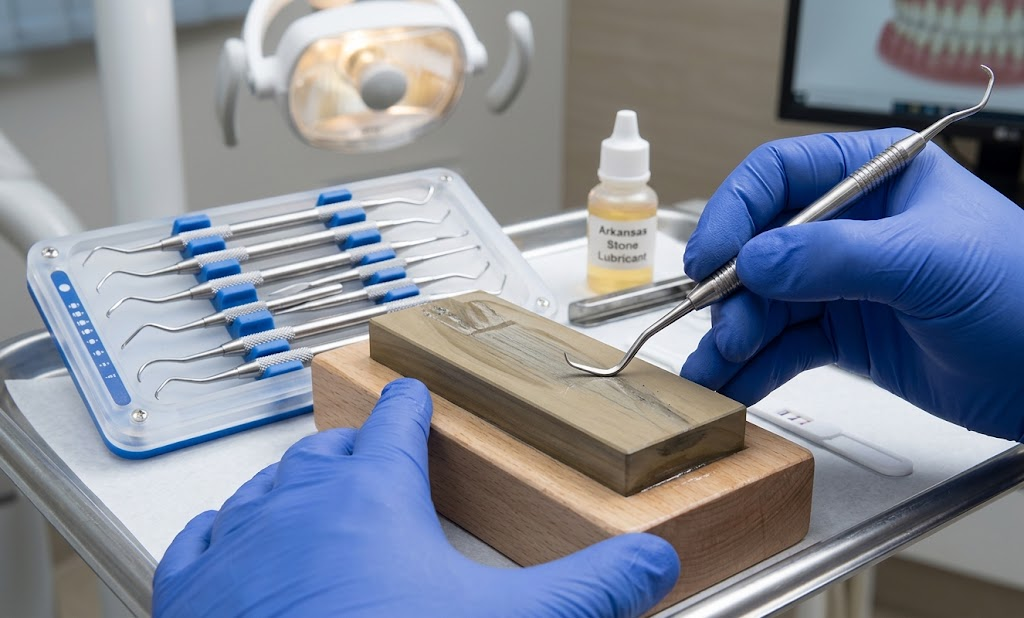
Instrument Sharpening Technique: Maintaining Curette and Scaler Cutting Edges for Consistent Periodontal Therapy Outcomes
15
May
May
In periodontal therapy, precision matters at every stage of treatment. Even the most advanced curettes and scalers lose effectiveness when their cutting edges become dull. Instrument sharpening is not just a maintenance task it is a critical clinical procedure that directly affects treatment efficiency, clinician comfort, and patient outcomes (Instrument Sharpening Technique). Properly sharpened periodontal […]
Dental Instruments Blog
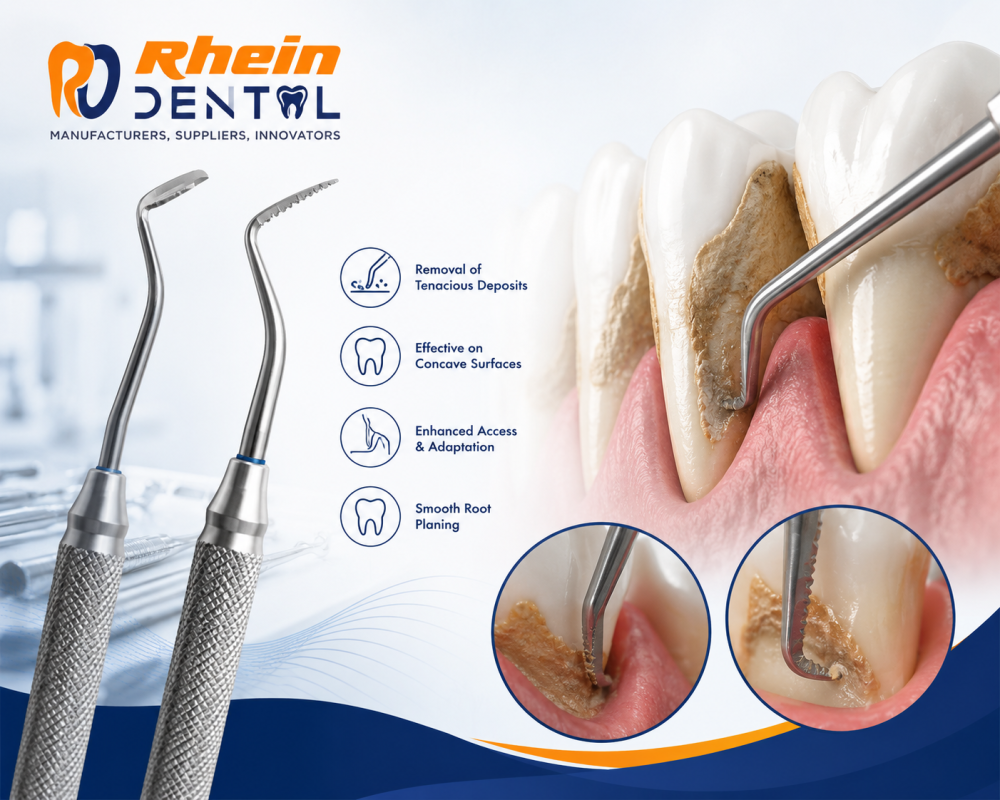
Hoe Scalers and File Scalers: Niche Applications in Tenacious Deposit Removal and Root Planing on Concave Surfaces
14
May
May
In modern periodontal therapy, clinicians often rely on ultrasonic systems and universal curettes for routine debridement. However, certain clinical situations still demand the precision and mechanical efficiency of specialized hand instruments. Among these, hoe scalers and file scalers continue to play a valuable role in managing tenacious calculus deposits and difficult root anatomies where standard […]
Dental Instruments Blog
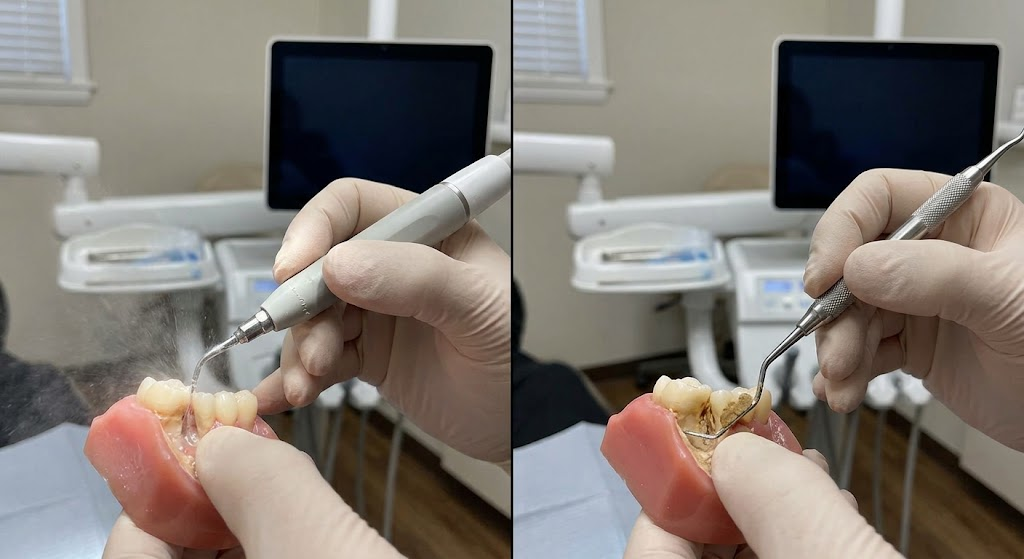
Ultrasonic Scaler Tips vs. Hand Instruments: Clinical Scenarios Where Manual Curettes Still Outperform Powered Devices
12
May
May
Modern periodontal therapy has moved strongly toward efficiency, comfort, and reduced operator fatigue. Ultrasonic scalers have become a routine part of scaling and root debridement, offering speed and irrigation-assisted biofilm disruption. Yet despite this technological progress, manual instruments especially curettes continue to hold a vital place in clinical dentistry (Ultrasonic Scalers vs Hand Curettes). Understanding […]
Surgical Instruments Blog
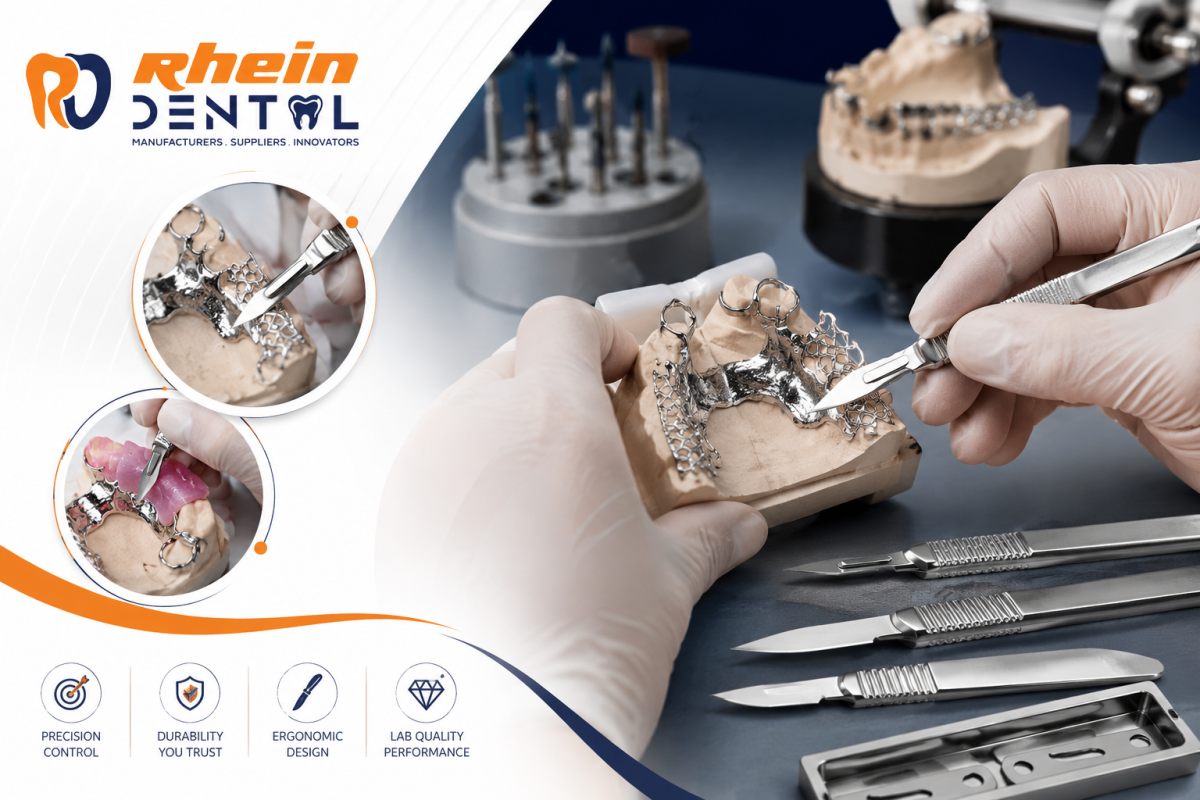
Trimming Knives and Scalpel Handles in the Dental Lab: Precision Cutting Techniques for Removable Partial Denture Framework Adjustment
11
May
May
Precision is one of the most critical elements in dental laboratory procedures, especially during the fabrication and adjustment of removable partial denture (RPD) frameworks. Even the smallest inaccuracies can affect fit, comfort, retention, and long-term prosthetic success. Among the essential hand instruments used for detailed laboratory adjustments are trimming knives and scalpel handles, which provide […]
Dental Instruments Blog
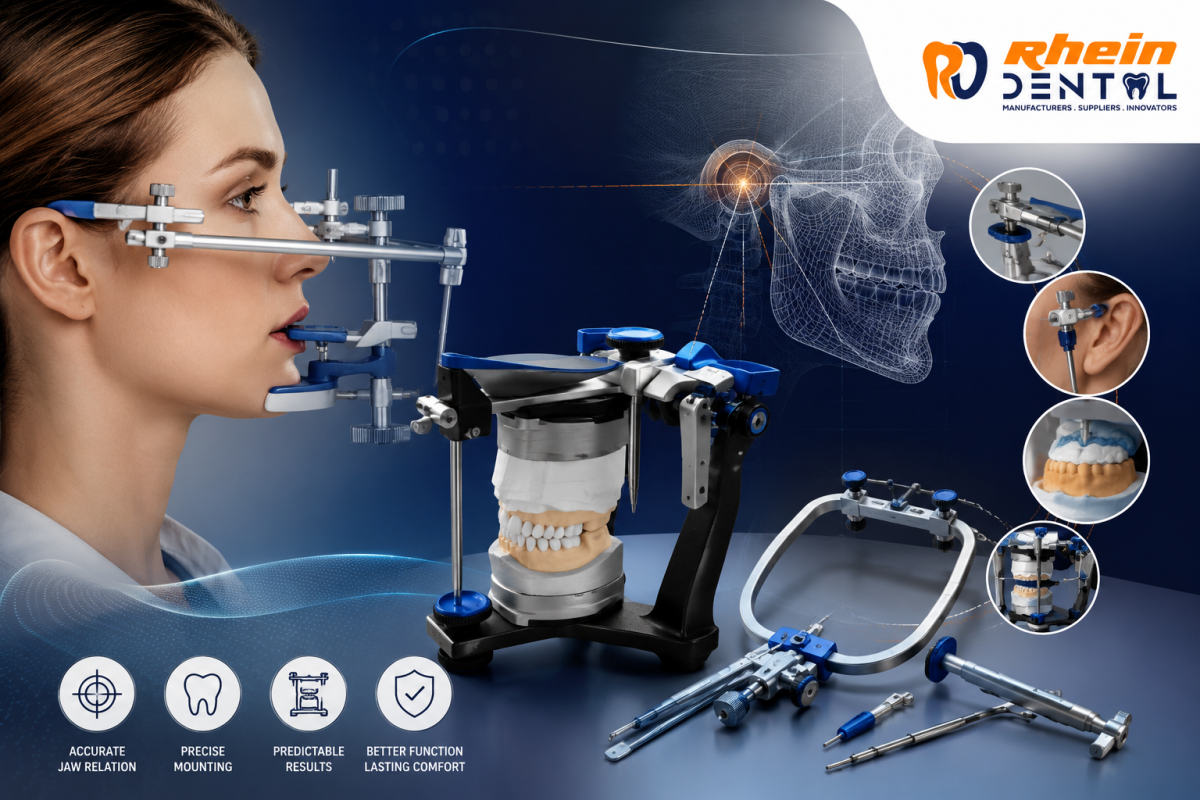
Articulator Mounting and Facebow Transfer Instruments: Establishing Correct Condylar Axis Relationships in Prosthetic Work
11
May
May
Modern prosthetic dentistry relies heavily on precision. Whether fabricating crowns, bridges, complete dentures, or implant-supported restorations, accurate replication of mandibular movements is essential for long-term function and patient comfort. Among the most critical procedures in prosthodontics are articulator mounting and facebow transfer, which help clinicians establish correct condylar axis relationships and reproduce the patient’s jaw […]