
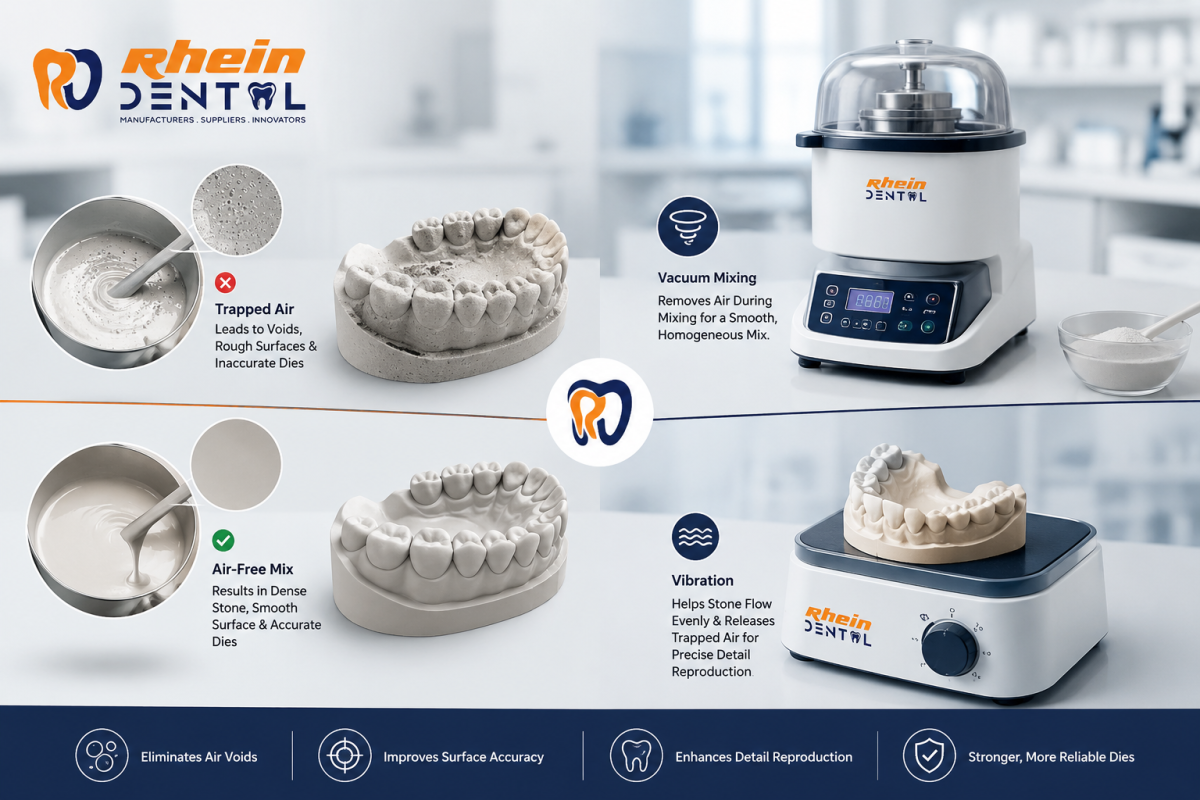
Stone dies are only as accurate as the material and method used to produce them. In dental laboratories, even the smallest air voids in gypsum stone can distort margins, compromise surface detail, and ultimately affect the fit of indirect restorations. That’s where vibrators and vacuum mixers play a critical role. Together, they transform a traditionally […]
Dental Instruments Blog
Margin Trimmers and Gingival Margin Trimmers: Functional Differences and Cavity Preparation Applications
09
May
May
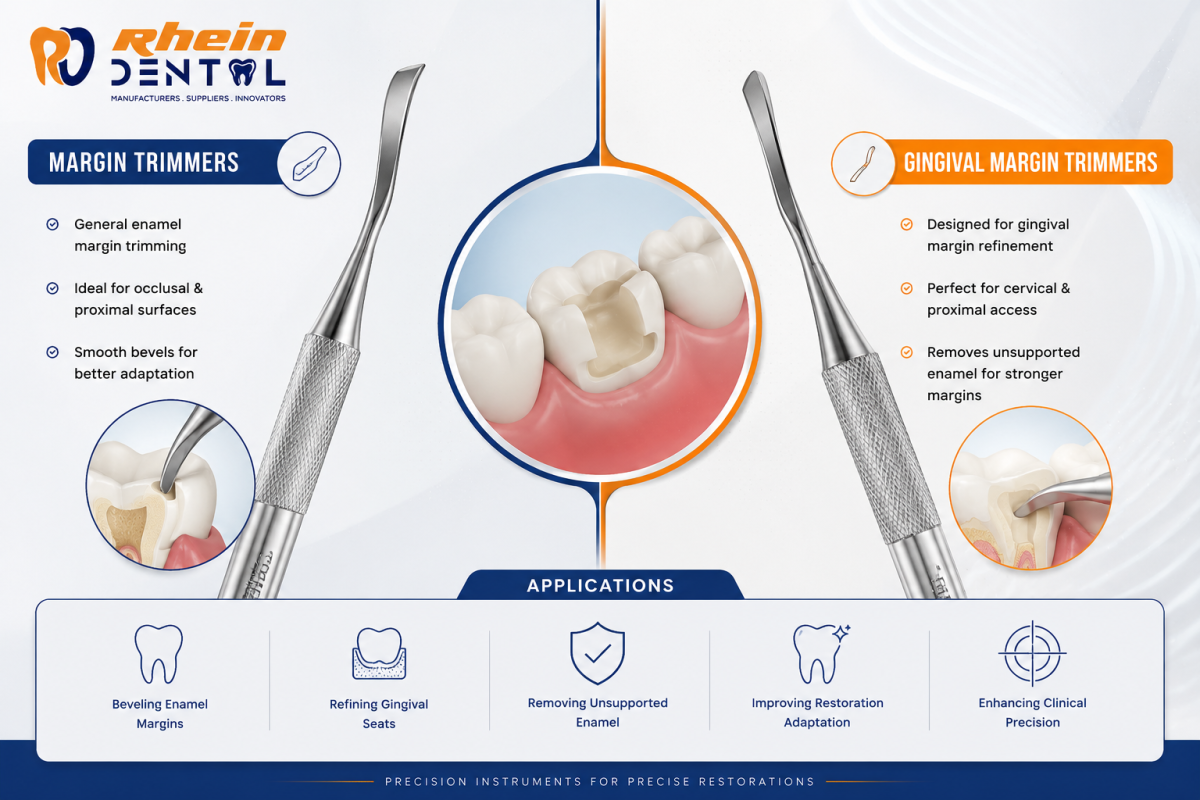
In restorative dentistry, precision during cavity preparation directly influences the success, longevity, and aesthetics of restorations. Among the specialized hand instruments used for refining cavity walls and margins, Margin Trimmers and Gingival Margin Trimmers (GMTs) play an essential role. Although these instruments may appear similar at first glance, their design, cutting angles, and clinical applications […]
Dental Instruments Blog
Posterior Composite Anatomy: Which Instrument Shapes Best Replicate Cuspal Morphology Without Disrupting Curing Depth
08
May
May
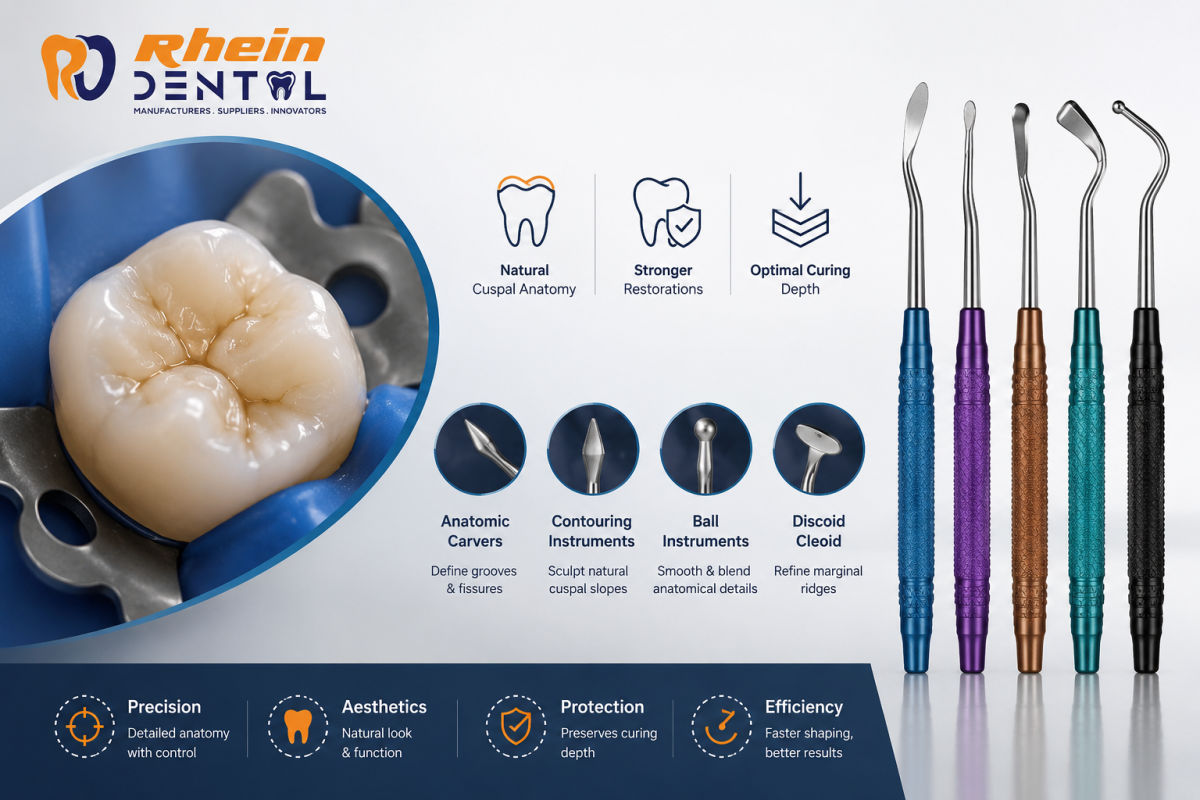
Achieving natural posterior tooth anatomy in composite restorations is one of the most skill-dependent tasks in restorative dentistry. The challenge is not only to replicate cuspal morphology but also to ensure adequate curing depth without compromising material properties (Posterior Composite Anatomy Instruments). If the restoration is over-contoured or poorly sculpted, it can lead to occlusal […]
Dental Instruments Blog
Amalgam Carriers and Well Design: How Bore Size and Spring Tension Affect Material Delivery Speed and Volume
08
May
May
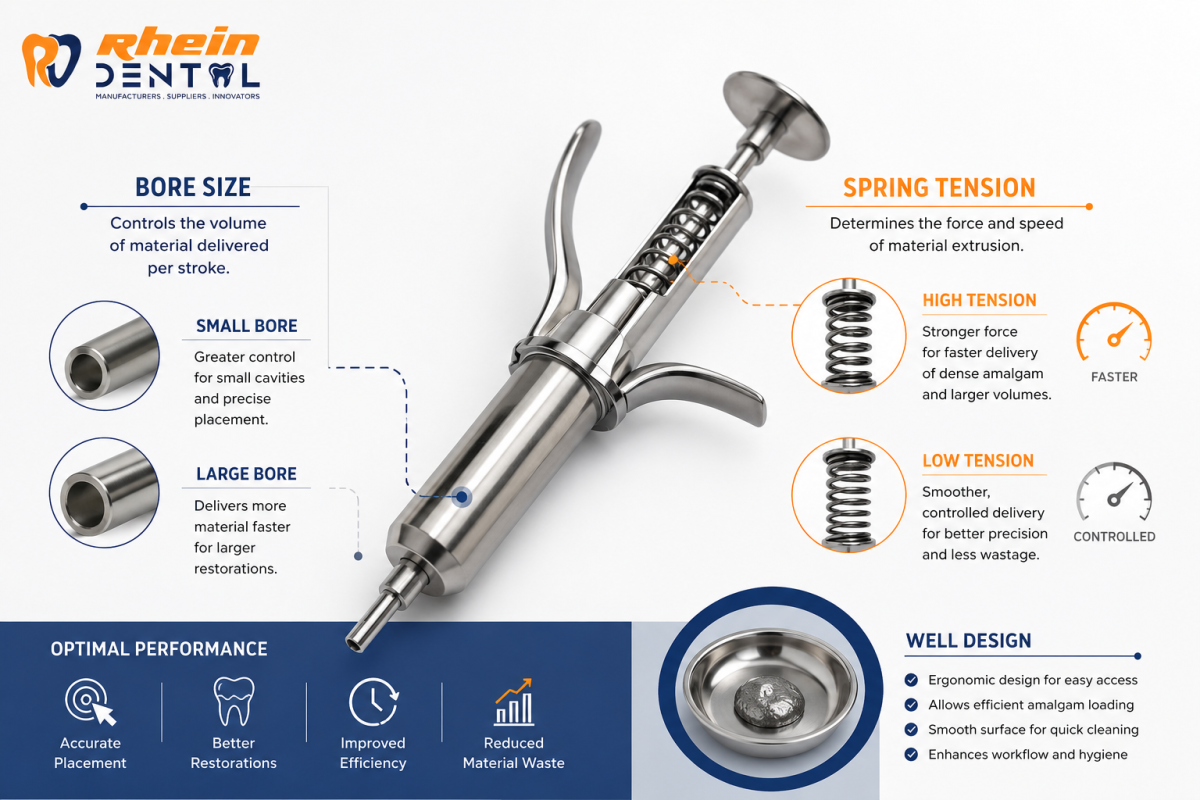
Introduction Amalgam carriers remain an essential instrument in restorative dentistry, especially during procedures requiring efficient transfer of amalgam material into cavity preparations. While the instrument may appear simple, its design significantly influences clinical performance. Two critical factors—bore size and spring tension—directly affect the speed, control, and volume of material delivery (Amalgam Carrier Bore Size). Understanding […]
Dental Instruments Blog
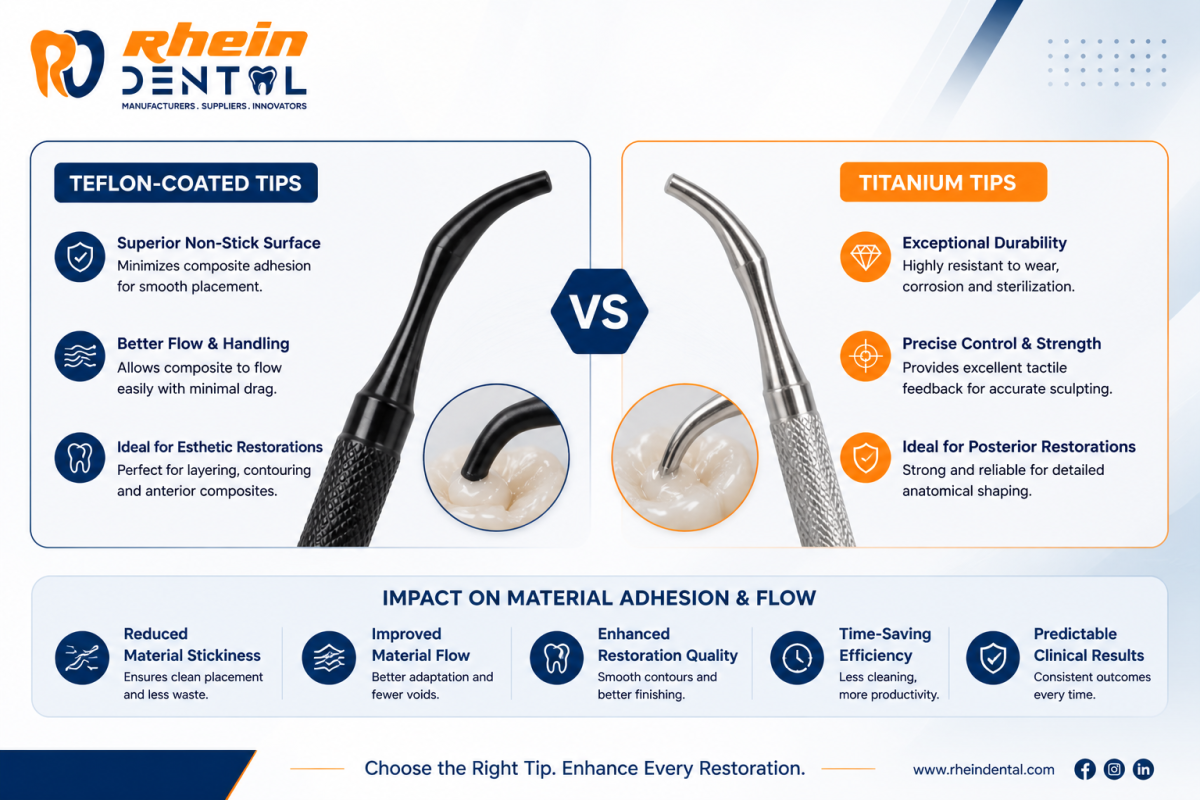
Composite Placement Instruments: Teflon-Coated vs. Titanium Tips and Their Impact on Material Adhesion and Flow
07
May
May
Composite restorations require precision, control, and smooth handling during placement and contouring. While restorative materials continue to evolve, the instruments used to manipulate them remain equally important in achieving predictable clinical outcomes (Composite Placement Instruments). Among modern restorative instruments, Teflon-coated and titanium-tipped composite placement instruments are widely preferred because they minimize sticking, improve handling, and […]
Surgical Instruments Blog
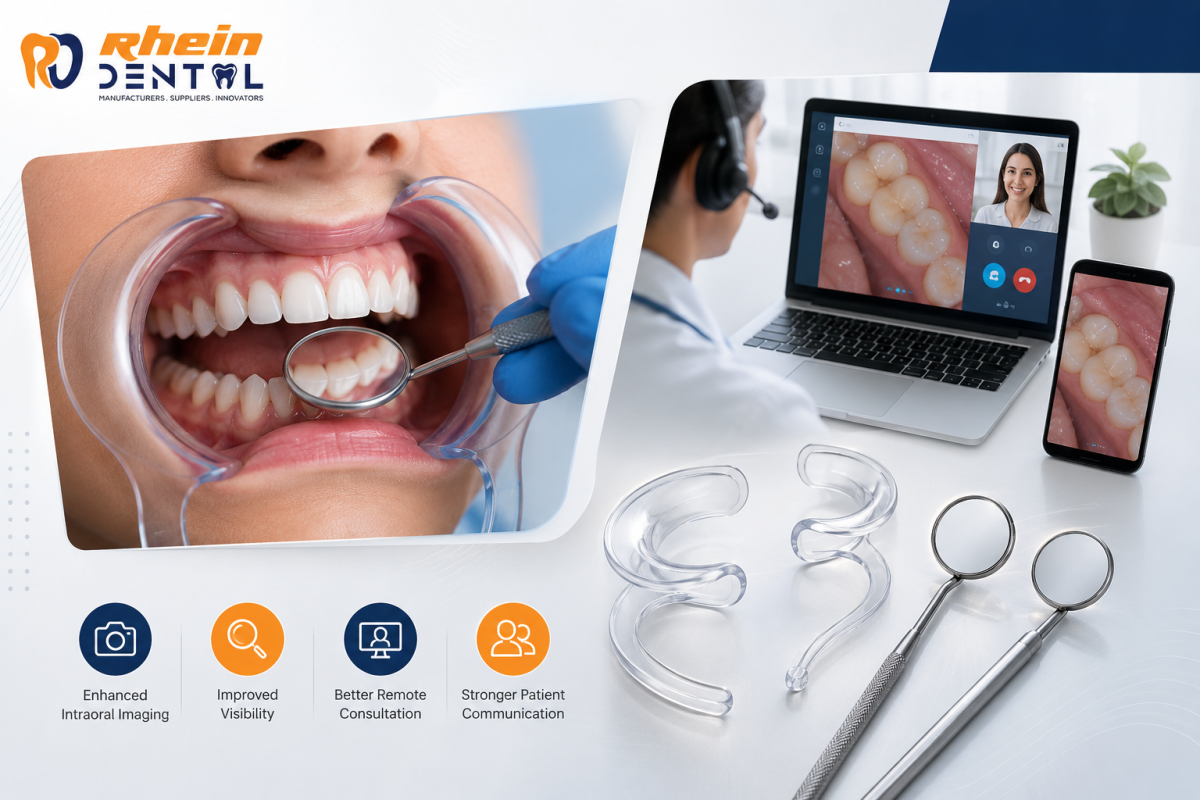
The Clinical Role of Cheek Retractors and Mouth Mirrors in Intraoral Photography and Tele dentistry
07
May
May
Modern dentistry increasingly depends on accurate visual documentation. From treatment planning to patient education, high-quality intraoral images have become essential in everyday clinical practice. As teledentistry continues to grow, dental professionals also require reliable tools that improve image clarity, visibility, and diagnostic communication. Among the most important instruments used during intraoral photography are cheek retractors […]
Dental Instruments Blog
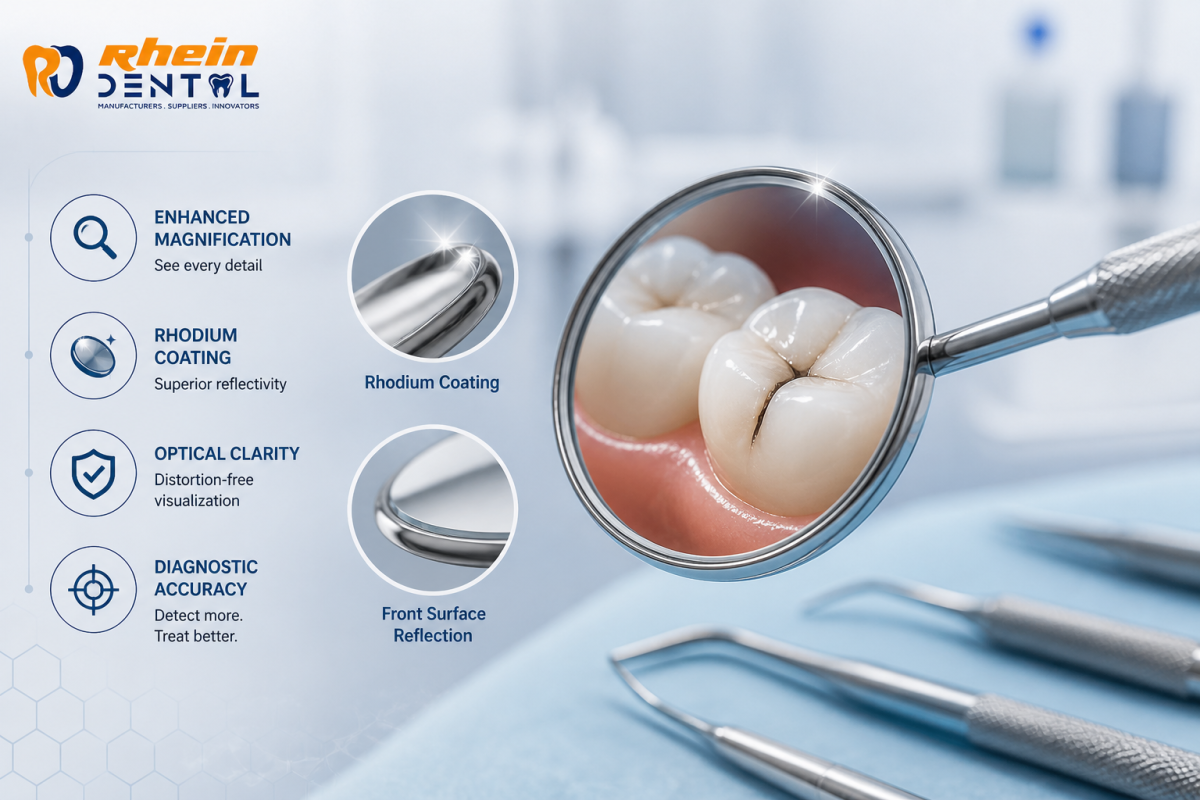
Dental Mirror Magnification and Rhodium Coating: How Optical Clarity Influences Diagnostic Accuracy
06
May
May
In modern dentistry, precision begins with what the clinician can clearly see. Among all diagnostic tools, the humble dental mirror plays a surprisingly powerful role. Its design—particularly magnification capability and rhodium coating directly affects optical clarity, and therefore, diagnostic accuracy. When visibility improves, decision-making becomes more reliable, treatment outcomes improve, and patient care reaches a […]
Surgical Instruments Blog
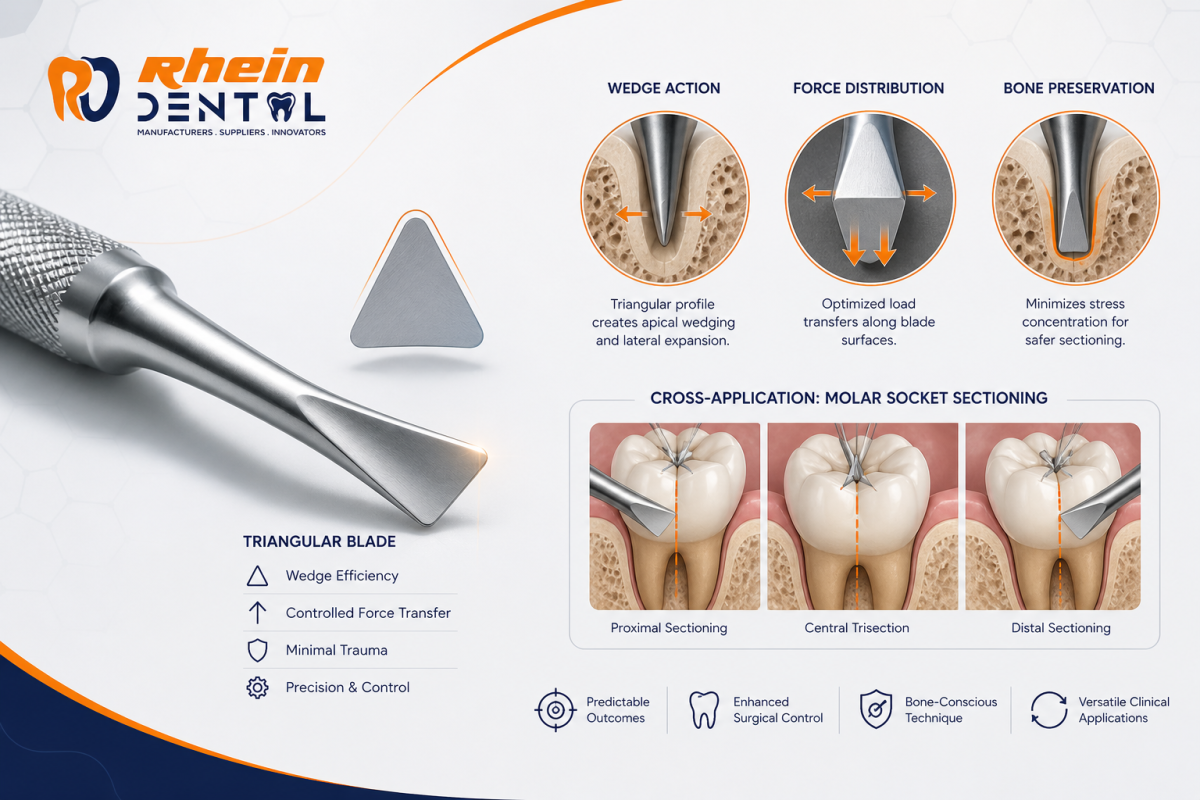
Cryer Elevator Working Principles: Triangular Blade Physics and Cross-Application in Molar Socket Sectioning
05
May
May
In oral surgery, precision isn’t just a preference it’s a necessity. Among the instruments designed for controlled tooth elevation, the Cryer elevator holds a special place. Its unique geometry, especially the triangular blade design, transforms rotational force into effective leverage, making it indispensable in challenging molar extractions and root retrieval cases (Cryer elevator working principle). […]
Surgical Instruments Blog
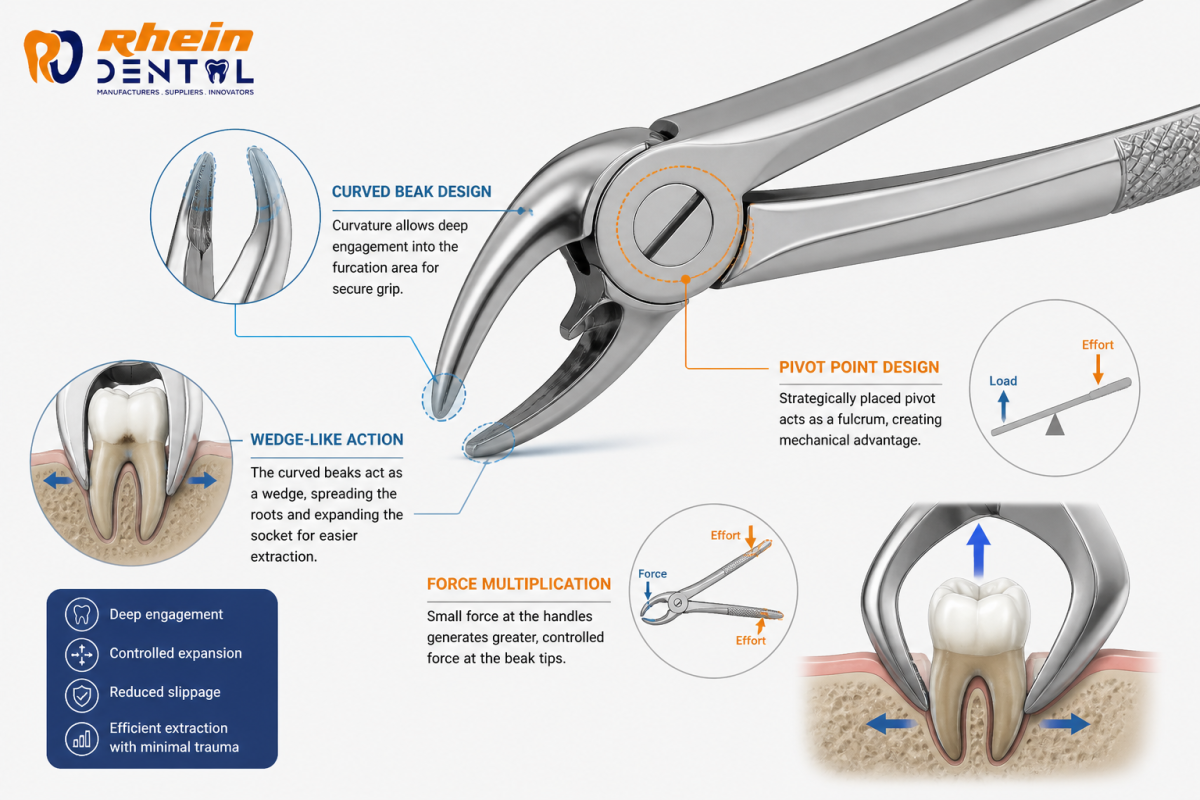
Cowhorn Forceps Mechanics: How Beak Curvature and Pivot Point Design Generate Controlled Extraction Force
05
May
May
Dental extraction is not just about force. Instead, it depends on controlled biomechanics, precision, and proper instrument design. Among extraction instruments, Cowhorn forceps stand out because they combine mechanical efficiency with anatomical adaptability. Moreover, their design helps clinicians manage difficult molar extractions with greater control and reduced trauma (Cowhorn Forceps Mechanics). What Are Cowhorn Forceps? […]
Surgical Instruments Blog
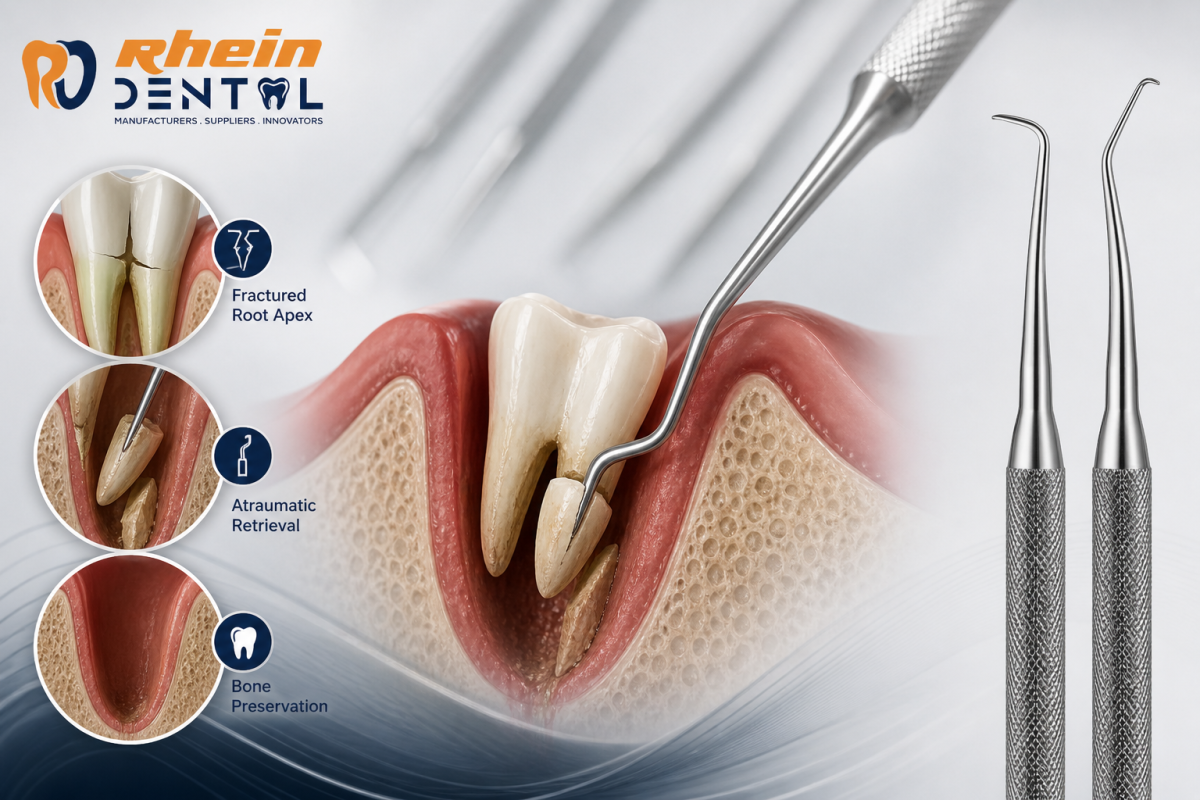
Root Tip Picks and Apical Elevators: Techniques for Retrieving Fractured Root Apices Without Bone Loss
05
May
May
Fractured root apices are a common intraoperative challenge in exodontia especially in endodontically treated teeth, brittle roots, or anatomically complex molars. The goal isn’t just retrieval; it’s doing so atraumatically, preserving surrounding bone and soft tissue for optimal healing and future prosthetic or implant considerations (Root pick tips and apical elevators techniques). This guide breaks […]