
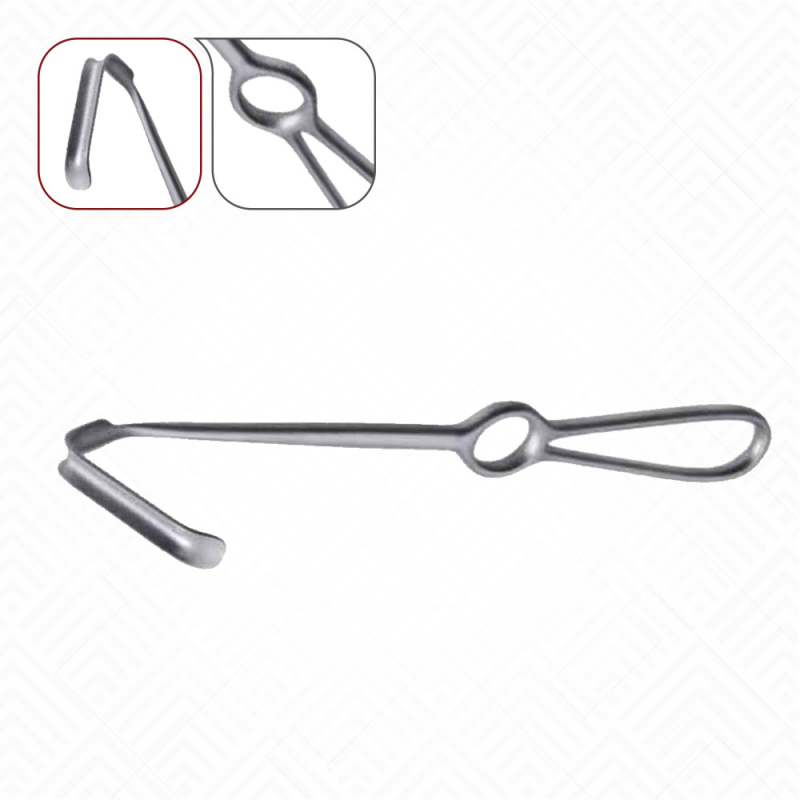
Le Fort osteotomy procedures are among the most complex surgeries performed in oral and maxillofacial surgery. Used to correct maxillary deformities, facial asymmetry, and bite discrepancies, these procedures require exceptional precision and specialized surgical instrumentation.
A complete Le Fort osteotomy instrument set includes carefully designed chisels, surgical saws, and retractors that enable surgeons to perform controlled bone cuts, protect surrounding tissues, and accurately reposition the maxilla. Selecting the right instruments is essential for achieving predictable surgical outcomes and patient safety.
Key Instruments Used in Le Fort Osteotomy Surgery
1. Osteotomes and Chisels
Specialized osteotomes and chisels are used to complete osteotomies and separate bony segments during maxillary mobilization.
Benefits include:
- Precise bone separation
- Controlled force application
- Reduced trauma to surrounding structures
- Improved surgical accuracy
These instruments are available in various widths and angles to accommodate different surgical approaches.
2. Surgical Saws
Reciprocating and oscillating saws are commonly used to create accurate osteotomy lines in the maxilla.
Advantages include:
- Clean bone cuts
- Enhanced precision
- Faster surgical workflow
- Consistent osteotomy depth
High-quality saw blades help minimize bone loss while improving cutting efficiency.
3. Surgical Retractors
Retractors are essential for maintaining visibility and protecting soft tissues throughout the procedure.
Common functions include:
- Soft tissue retraction
- Protection of nerves and blood vessels
- Improved surgical access
- Enhanced visualization of osteotomy sites
Proper retraction contributes significantly to procedural safety and efficiency.
Importance of a Complete Instrument Set
A well-designed Le Fort osteotomy set allows surgeons to perform each stage of the procedure with confidence. Combining specialized chisels, saws, and retractors ensures:
- Accurate maxillary repositioning
- Better control during osteotomy creation
- Reduced surgical complications
- Improved operating efficiency
- Enhanced patient outcomes
Instrument Quality Matters
Because Le Fort procedures involve complex bone manipulation, instruments must be manufactured from high-quality surgical-grade stainless steel. Durable, precision-engineered instruments provide:
- Reliable performance
- Superior cutting accuracy
- Long-term durability
- Consistent sterilization compatibility
Proper maintenance and regular inspection help preserve instrument effectiveness over time.
Conclusion
Le Fort osteotomy procedures demand specialized instrumentation to achieve precise maxillary repositioning and predictable surgical results. High-quality chisels, surgical saws, and retractors work together to improve accuracy, enhance tissue protection, and support efficient surgical workflows. Investing in a complete and reliable Le Fort osteotomy instrument set helps clinicians deliver safe, effective, and successful orthognathic surgery outcomes.