
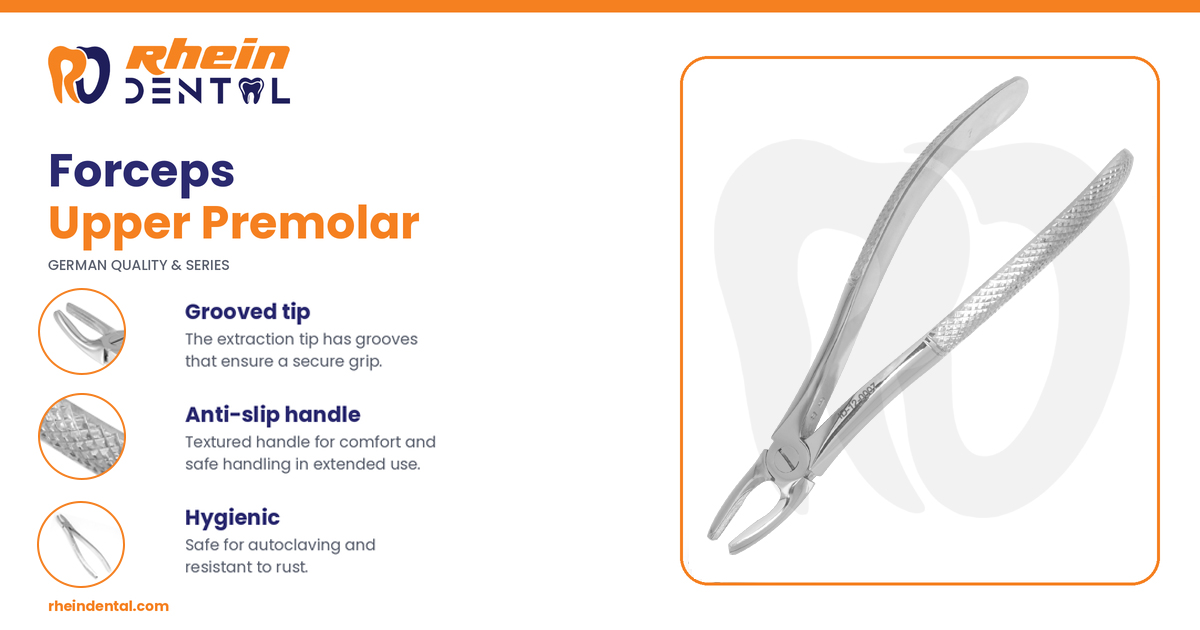
The forceps upper premolar extractions depend on is one of the most commonly stocked instruments in any dental or oral surgery tray. Upper premolars look simple, but their roots are slender, their buccal plates are thin, and a poorly matched instrument can fracture a root in seconds. This guide explains what upper premolar forceps are, […]
Tag Archives: #Orthodontics
24
Aug
Aug
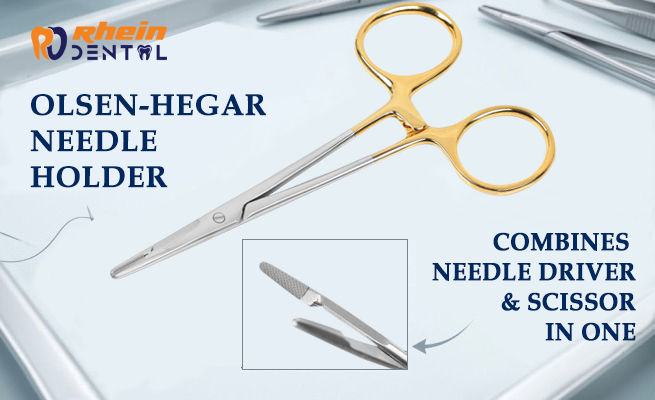
The Olsen-Hegar needle holder is a combination surgical instrument that merges a needle driver and suture scissors into a single tool. Surgeons rely on this instrument because it reduces the number of hand exchanges during a procedure, which in turn shortens operating time. Whether you’re a surgical resident learning instrument identification or a procurement officer […]
Surgical Instruments Blog
Suction Tip Maintenance: Preventing Blockages and Ensuring Optimal Vacuum Performance
10
Jun
Jun
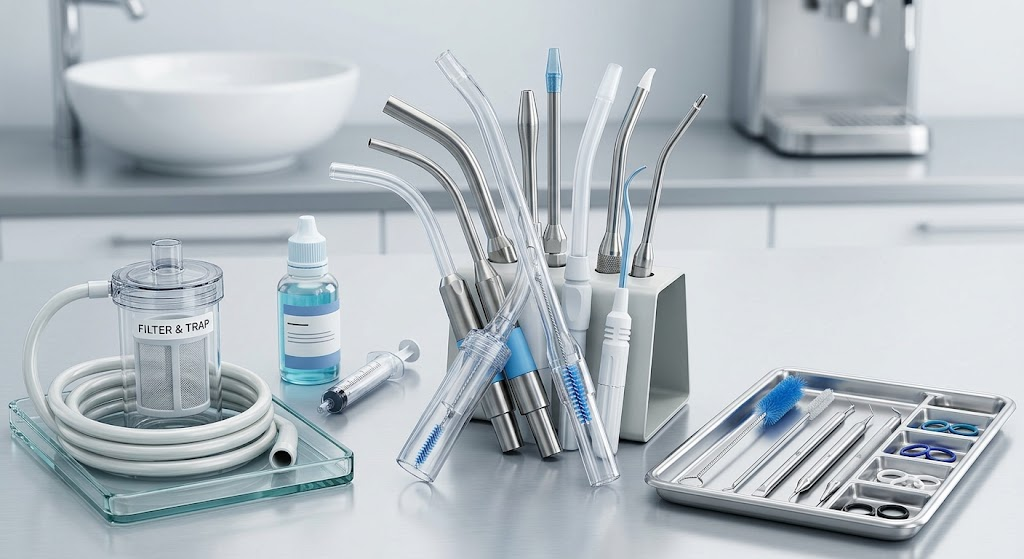
Introduction Suction tips are essential instruments in dental, surgical, and medical procedures, providing clear visibility and maintaining a clean working field by efficiently removing fluids, debris, and aerosols. Despite their simple appearance, suction tips require regular maintenance to ensure consistent vacuum performance and prevent costly interruptions during procedures (Suction Tip Maintenance). Poorly maintained suction systems […]
Dental Instruments Blog
ISO 13485 and CE Marking in Dental Instrument Manufacturing: What These Certifications Mean for Clinical Safety

05
Jun
Jun
Introduction In modern dentistry, patient safety and clinical precision depend heavily on the quality and reliability of the instruments used during treatment. Whether performing routine examinations, surgical procedures, or complex implant placements, dental professionals rely on instruments that meet strict international quality standards. Two of the most important certifications that demonstrate a manufacturer’s commitment to […]
Surgical Instruments Blog
Trimming Knives and Scalpel Handles in the Dental Lab: Precision Cutting Techniques for Removable Partial Denture Framework Adjustment
11
May
May
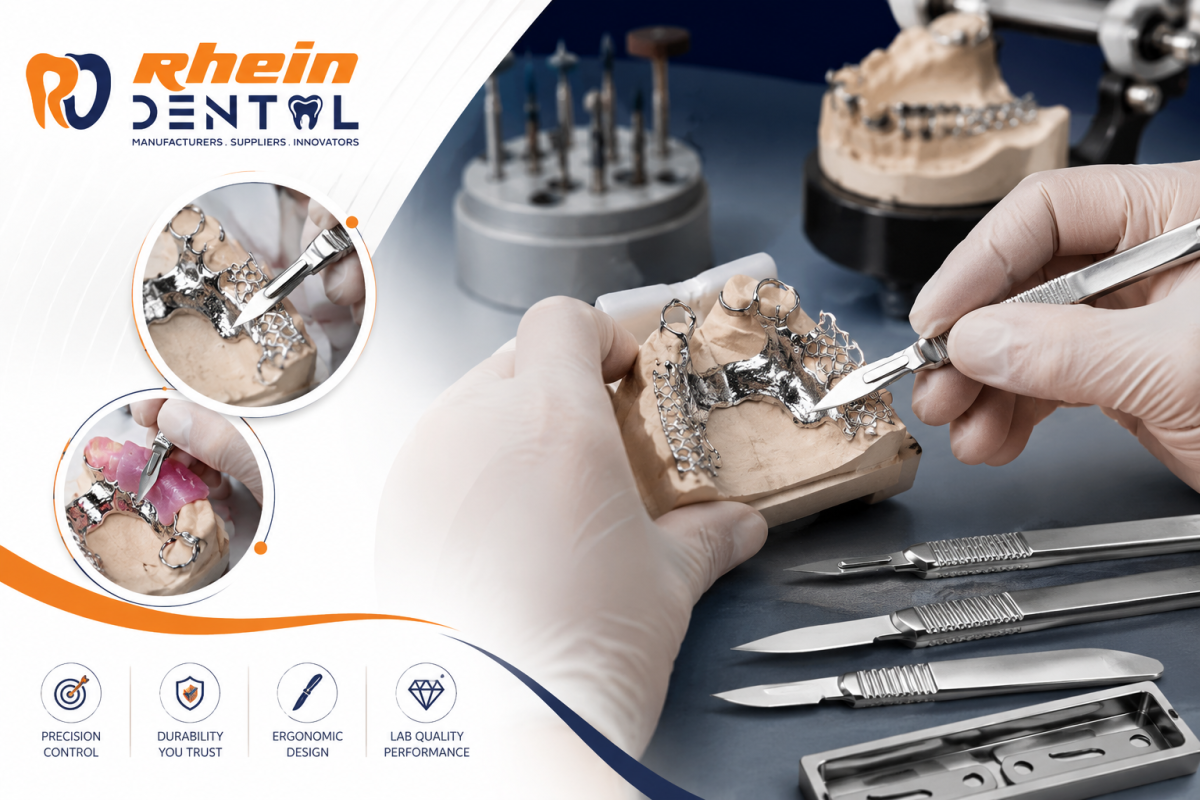
Precision is one of the most critical elements in dental laboratory procedures, especially during the fabrication and adjustment of removable partial denture (RPD) frameworks. Even the smallest inaccuracies can affect fit, comfort, retention, and long-term prosthetic success. Among the essential hand instruments used for detailed laboratory adjustments are trimming knives and scalpel handles, which provide […]
Dental Instruments Blog
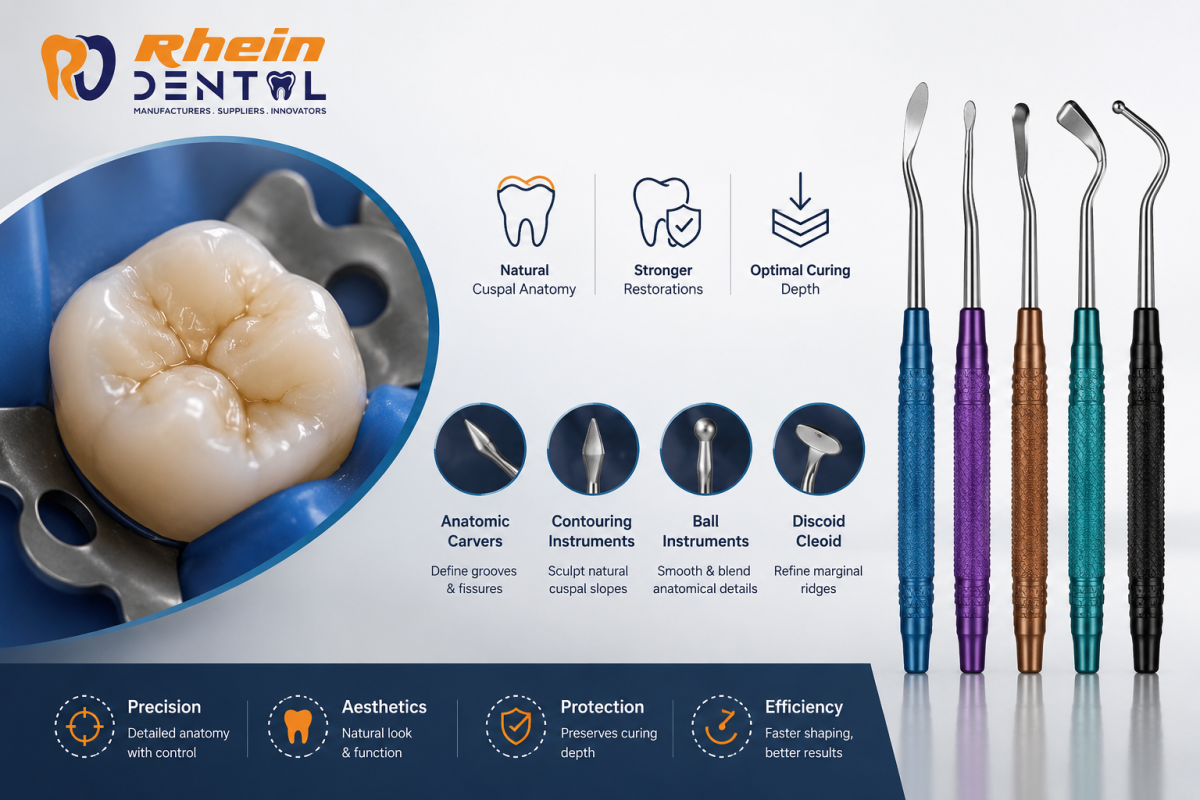
Posterior Composite Anatomy: Which Instrument Shapes Best Replicate Cuspal Morphology Without Disrupting Curing Depth
08
May
May
Achieving natural posterior tooth anatomy in composite restorations is one of the most skill-dependent tasks in restorative dentistry. The challenge is not only to replicate cuspal morphology but also to ensure adequate curing depth without compromising material properties (Posterior Composite Anatomy Instruments). If the restoration is over-contoured or poorly sculpted, it can lead to occlusal […]
Surgical Instruments Blog
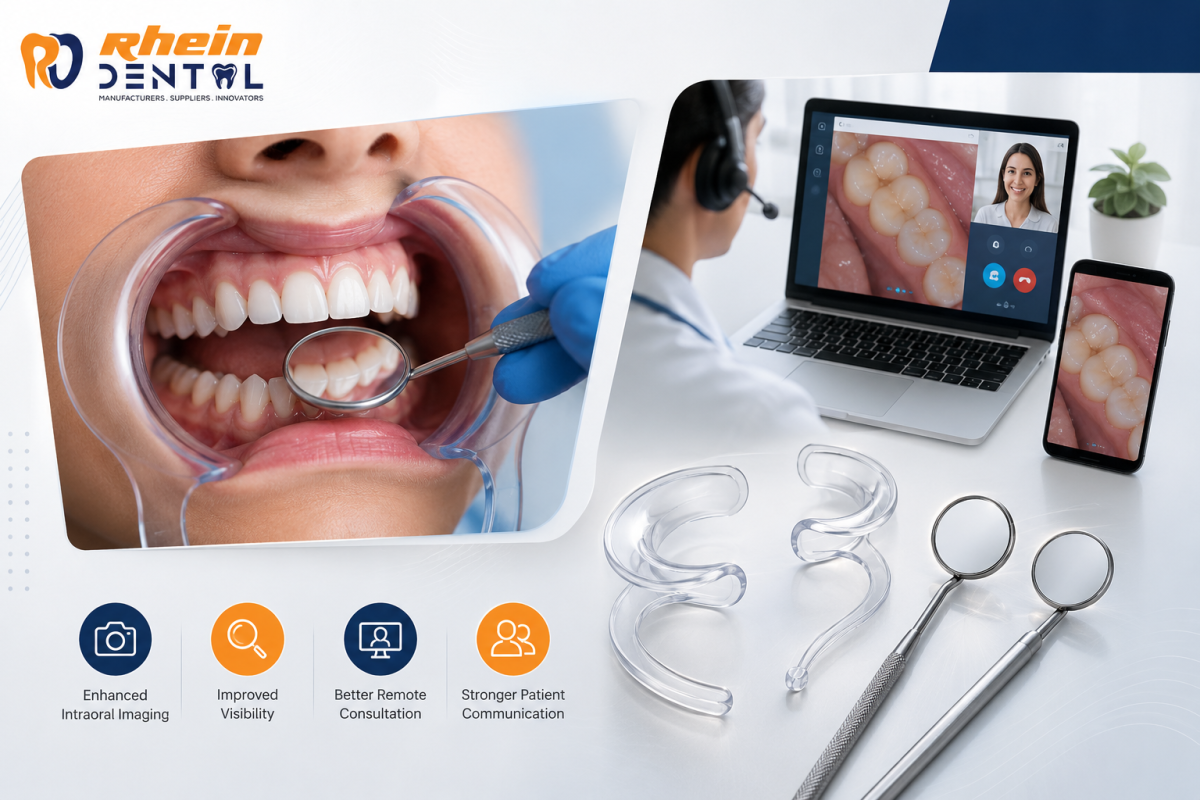
The Clinical Role of Cheek Retractors and Mouth Mirrors in Intraoral Photography and Tele dentistry
07
May
May
Modern dentistry increasingly depends on accurate visual documentation. From treatment planning to patient education, high-quality intraoral images have become essential in everyday clinical practice. As teledentistry continues to grow, dental professionals also require reliable tools that improve image clarity, visibility, and diagnostic communication. Among the most important instruments used during intraoral photography are cheek retractors […]
Surgical Instruments Blog
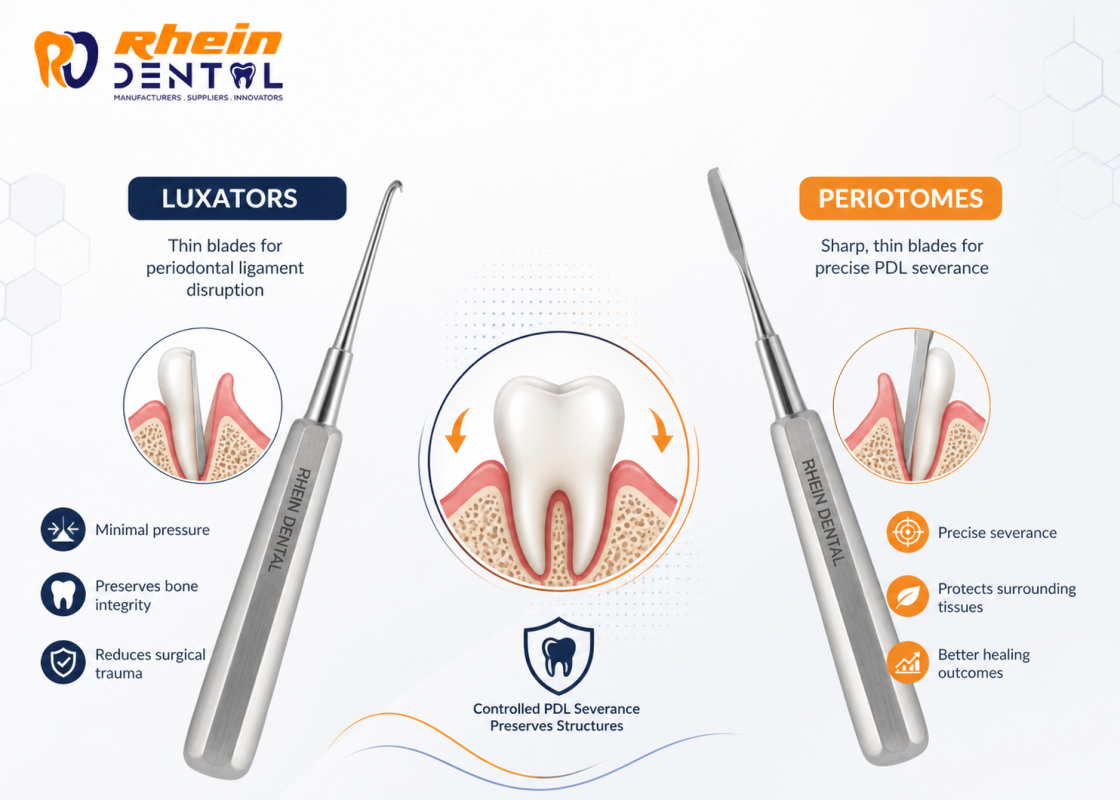
Luxators vs. Periotomes: How Thin Blades and Controlled PDL Severance Reduce Surgical Trauma
04
May
May
Modern dental extraction is no longer about force it is about precision, tissue preservation, and biomechanical control. As minimally invasive dentistry continues to evolve, instruments like luxators and periotomes have become essential for reducing surgical trauma during tooth removal (Luxators vs periotomes). Although both tools are designed to sever the periodontal ligament (PDL), their structure, […]
Dental Instruments Blog
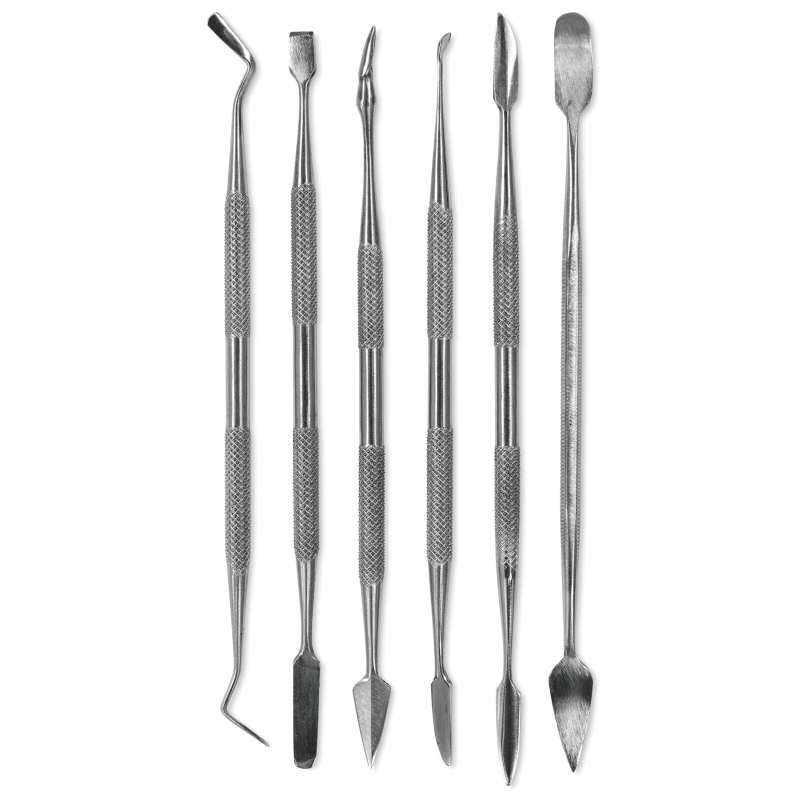
Wax Carving Tools: Understanding Different Blade Shapes for Anatomical Wax-Up.
24
Apr
Apr
Creating a precise and lifelike anatomical wax-up is both an art and a science. Whether you’re working in prosthodontics, restorative dentistry, or lab-based crown and bridge work, the wax carving tools you choose and more importantly, their blade shapes play a crucial role in achieving accuracy, symmetry, and natural tooth morphology (Wax Carving Tool Blade […]
Dental Instruments Blog
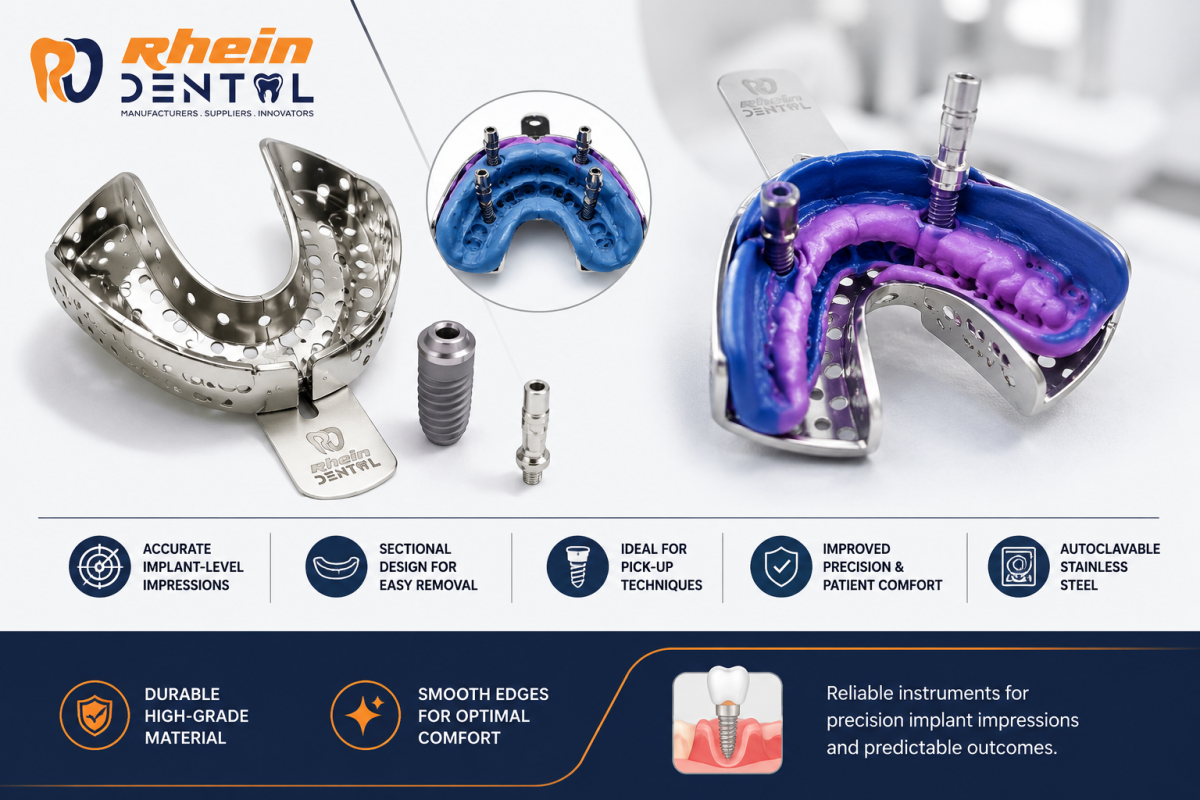
Sectional Impression Trays: Benefits in Implant-Level Impressions and Pick-Up Techniques.
22
Apr
Apr
Precision is everything in implant dentistry. When margins are tight and passive fit is critical, even small distortions in an impression can lead to costly remakes or long-term complications. That’s where sectional impression trays come in a smart, practical solution for improving accuracy, especially in complex implant cases and pick-up techniques (Suctional Impression Trays). What […]