

Introduction In modern dentistry, patient safety and clinical precision depend heavily on the quality and reliability of the instruments used during treatment. Whether performing routine examinations, surgical procedures, or complex implant placements, dental professionals rely on instruments that meet strict international quality standards. Two of the most important certifications that demonstrate a manufacturer’s commitment to […]
Tag Archives: #OrthodonticInstruments
Surgical Instruments Blog
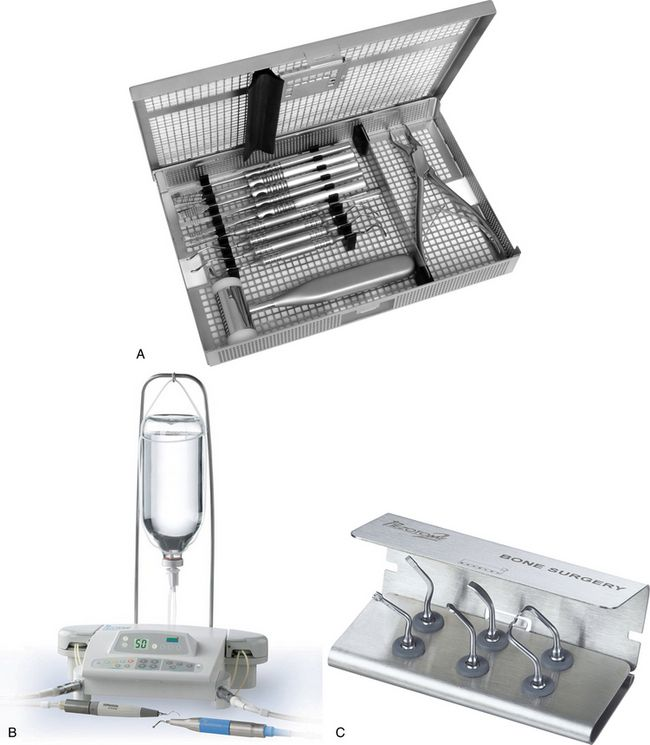
Bone Spreaders and Ridge Expanders: Sequential Technique for Narrow Ridge Expansion Without Membrane Perforation
03
Jun
Jun
Introduction Insufficient alveolar ridge width is a common challenge in dental implantology. When the ridge is too narrow to accommodate an implant, clinicians often turn to ridge expansion techniques to increase bone width while preserving existing bone volume. Bone spreaders and ridge expanders are valuable instruments that allow controlled expansion of narrow ridges without extensive […]
Orthodontic Instruments Blog
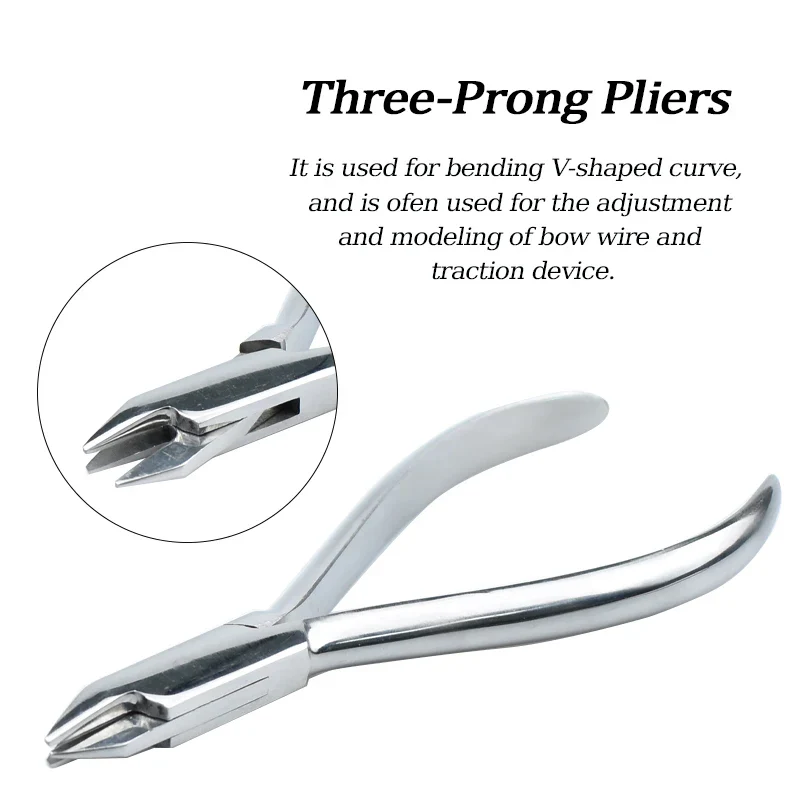
Wire Bending Pliers: Bird Beak vs. Three-Prong Design for Different Loop Formations.
17
Apr
Apr
Precision in orthodontics and dental lab work often comes down to the smallest details especially when forming loops in wires. Whether you’re adjusting appliances, crafting retainers, or fabricating custom components, the type of pliers you use directly affects the accuracy, consistency, and strength of your loops (Bird Beak vs Three-Prong pliers). Among the most commonly […]