
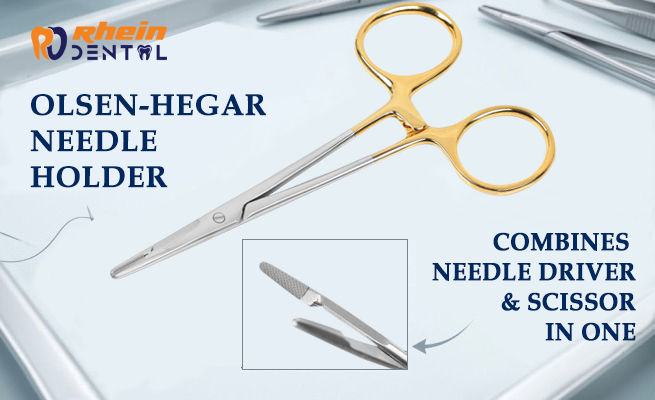
The Olsen-Hegar needle holder is a combination surgical instrument that merges a needle driver and suture scissors into a single tool. Surgeons rely on this instrument because it reduces the number of hand exchanges during a procedure, which in turn shortens operating time. Whether you’re a surgical resident learning instrument identification or a procurement officer […]
Category Archives: Surgical Instruments Blog
Explore in-depth guides on surgical instruments, medical tools, and surgical equipment used across dental, orthopedic, and general surgery. This blog covers everything from scalpels, forceps, retractors, and surgical scissors to needle holders and clamps with detailed comparisons of materials, grades, and brands. Learn proper sterilization techniques, instrument maintenance, and storage best practices to extend tool life and ensure patient safety. Stay updated with the latest innovations in surgical instrument technology, buying guides for clinics and hospitals, and expert tips trusted by surgeons, dental professionals, and medical suppliers worldwide.
03
Jul
Jul
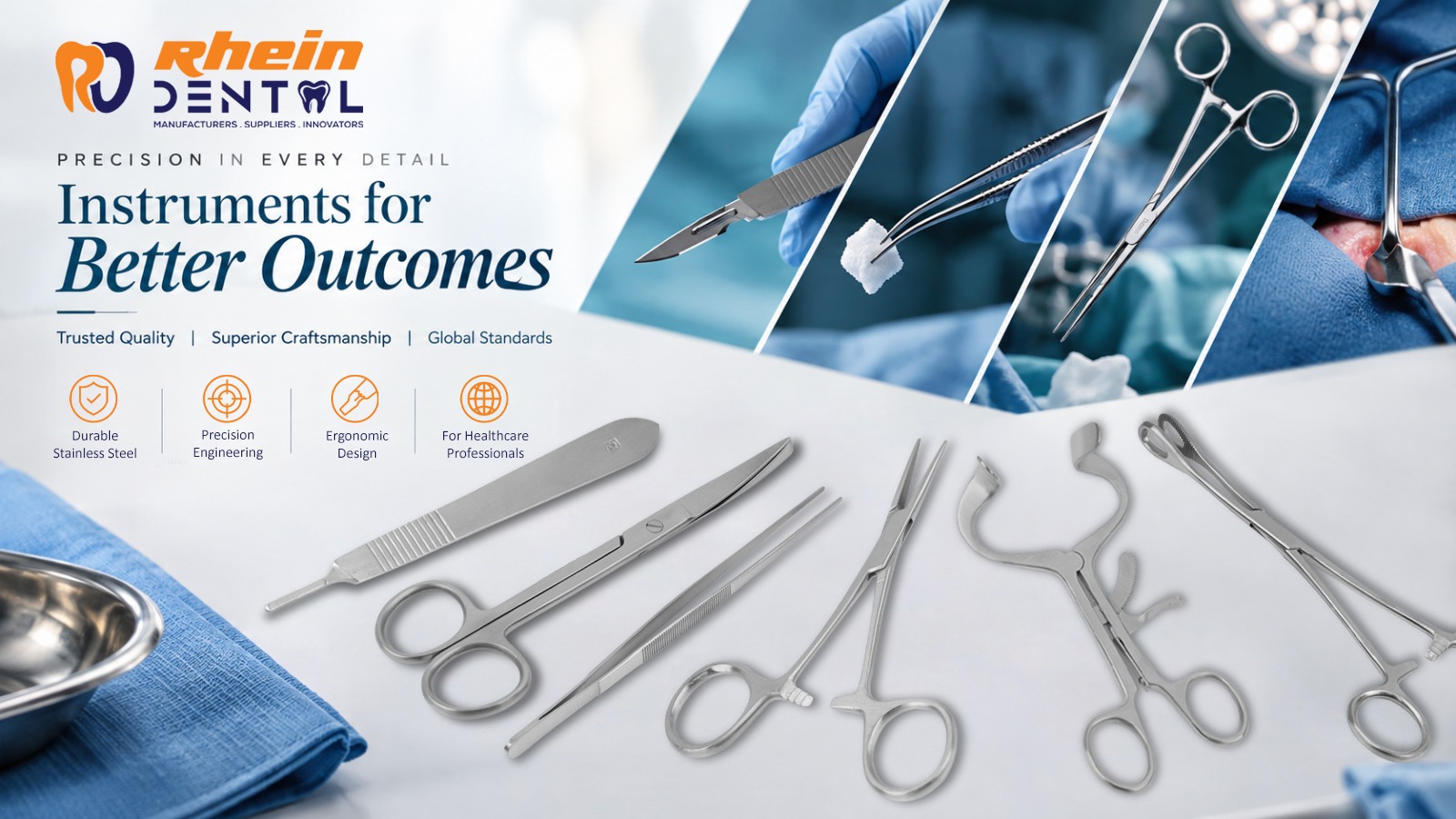
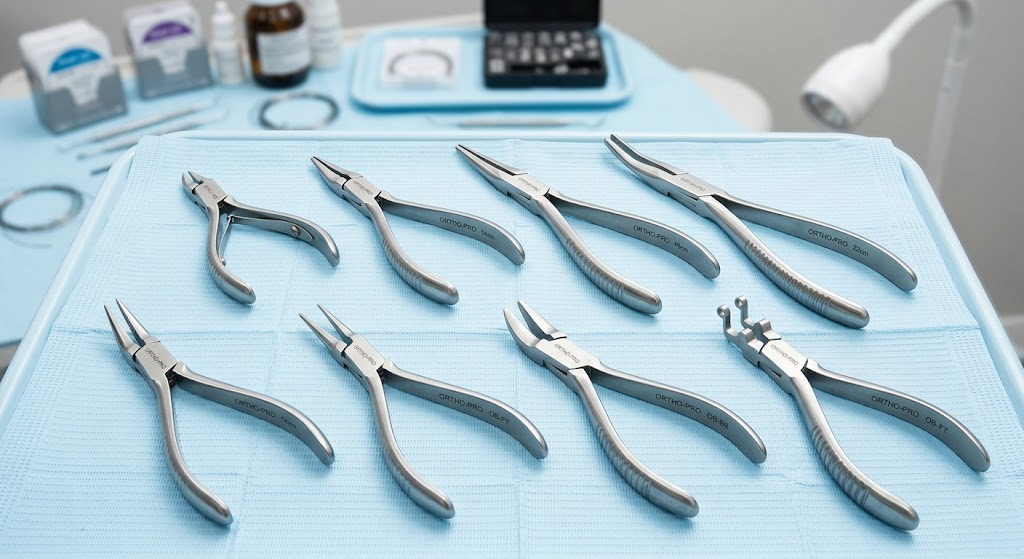
Bone management is one of the most critical aspects of oral and maxillofacial surgery. Whether performing tooth extractions, alveoloplasty, implant site preparation, or removing pathological bone, selecting the correct bone instruments in oral surgery directly influences surgical precision, patient safety, and healing outcomes (Bone Instruments in Oral Surgery). Among the most commonly used instruments are […]
Surgical Instruments Blog
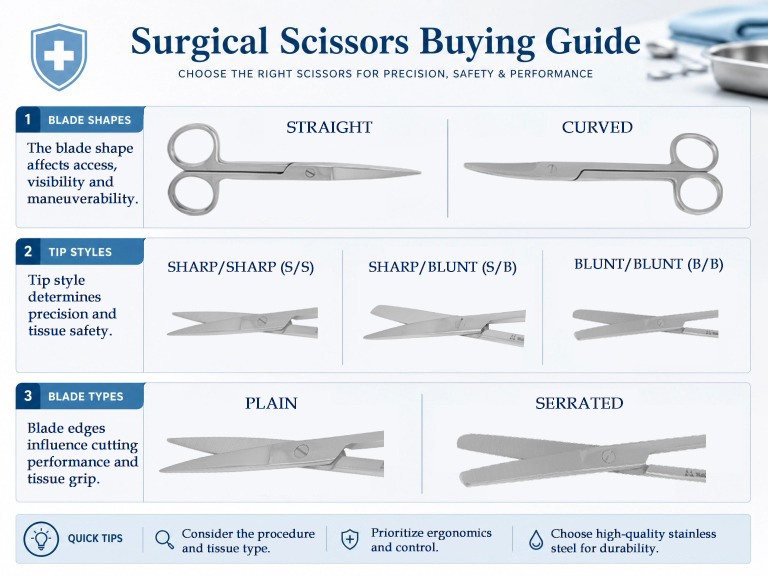
Surgical Scissors Buying Guide: Choosing Blade Shape, Curve, and Tip Style for Every Task
02
Jul
Jul
Selecting the right surgical scissors is about much more than choosing a size. Every procedure demands precision, tissue preservation, and efficiency, making blade shape, curvature, and tip configuration critical factors in instrument selection. Whether you’re purchasing instruments for a hospital, surgical centre, dental practice, veterinary clinic, or educational institution, understanding the design differences between surgical […]
Introduction Surgical retractors are among the most essential instruments in every operating room. Their primary purpose is to hold back tissues, muscles, or organs, creating a clear surgical field while allowing surgeons to work with greater precision. In addition, although retractors may appear simple in design, their effectiveness depends heavily on two critical features: blade […]
24
Jun
Jun
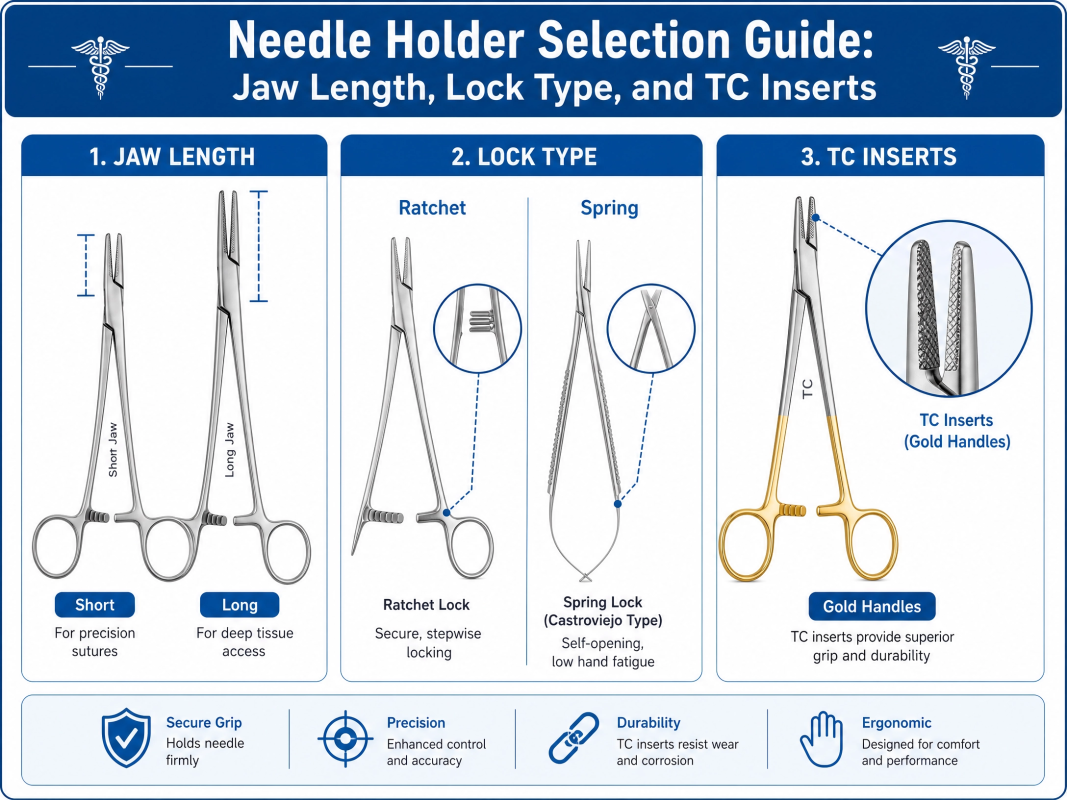
Suturing is a fundamental skill in dental, surgical, and veterinary procedures. While suture material often receives considerable attention, the needle holder used during the procedure plays an equally important role. The right needle holder improves precision, reduces hand fatigue, and helps maintain needle integrity throughout the procedure (Needle holders Selection Guide). However, selecting the ideal […]
20
Jun
Jun
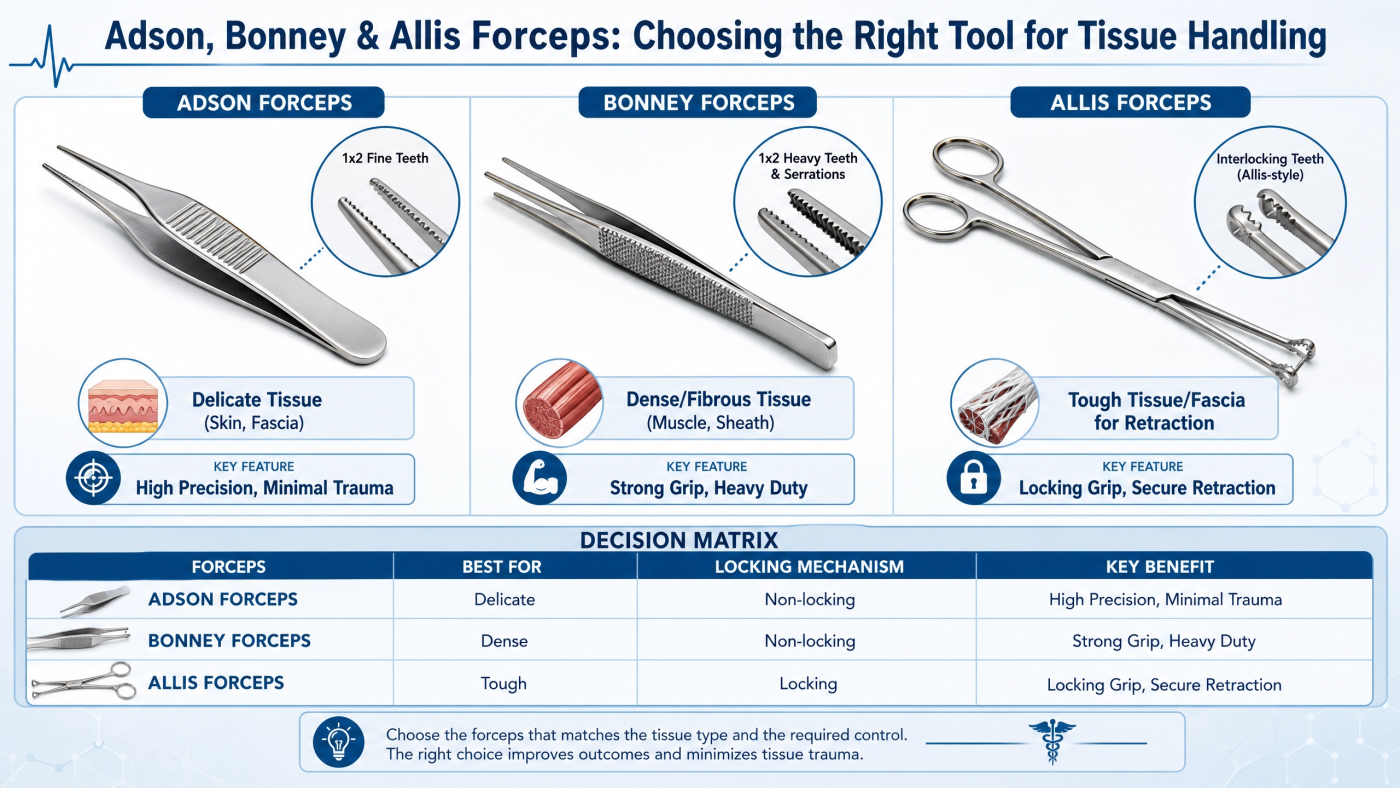
Introduction Every surgical procedure requires precise tissue handling. While surgical skill plays a crucial role, the instruments selected for the procedure often determine how effectively a surgeon can manipulate tissue and minimize trauma. Among the most commonly used tissue-handling instruments are Adson, Bonney, and Allis forceps. Although these instruments belong to the same family, each […]
20
Jun
Jun
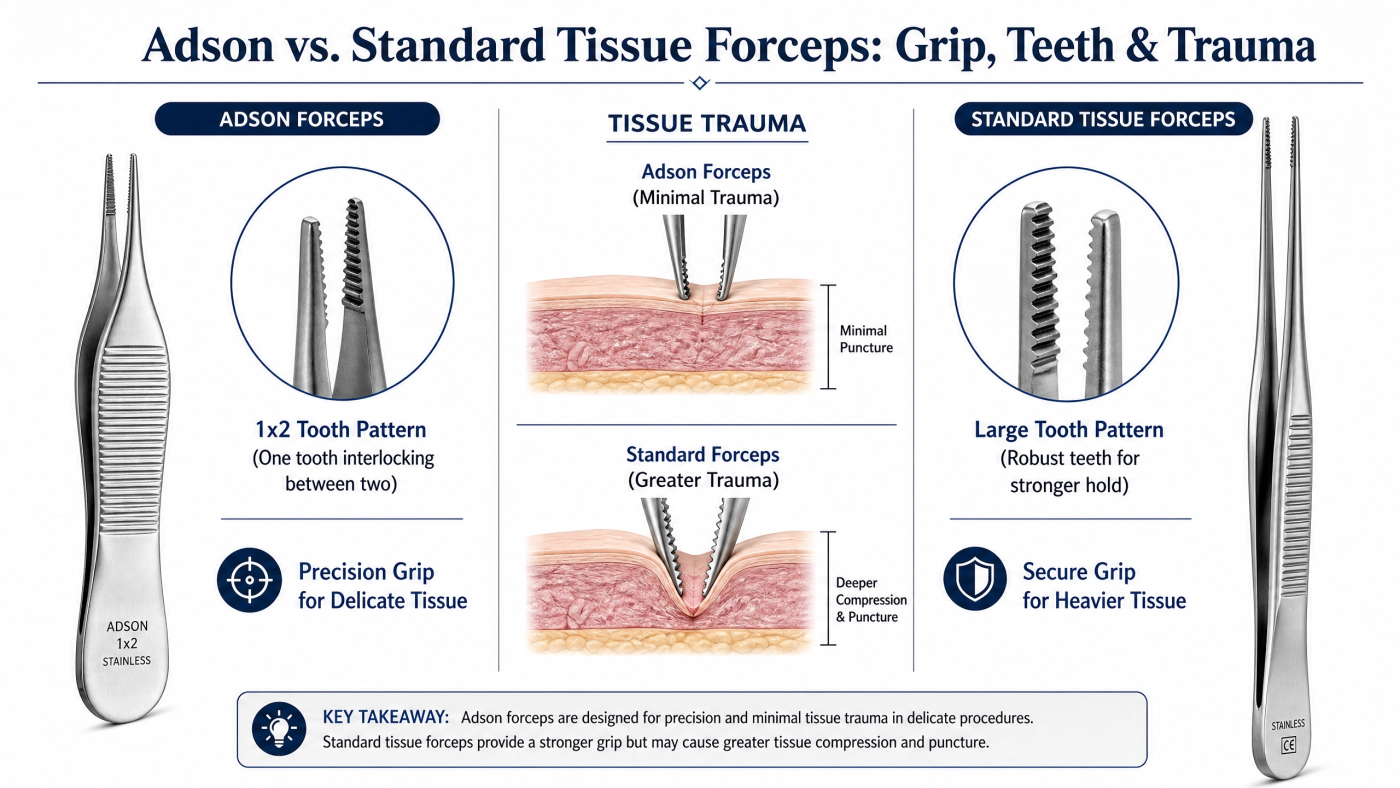
Introduction Tissue forceps are among the most frequently used instruments in surgical, dental, and veterinary procedures. They provide the precision needed to grasp, stabilize, and manipulate soft tissues while minimizing damage. However, selecting the right type of forceps can significantly impact surgical efficiency, tissue handling, and patient outcomes. Two of the most commonly used options […]
Surgical Instruments Blog
Suction Tip Maintenance: Preventing Blockages and Ensuring Optimal Vacuum Performance
10
Jun
Jun
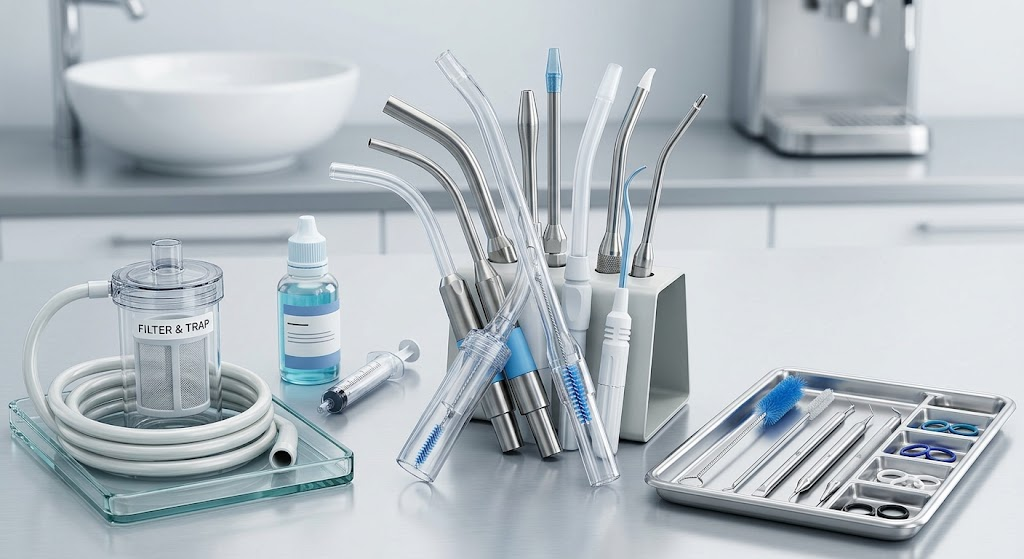
Introduction Suction tips are essential instruments in dental, surgical, and medical procedures, providing clear visibility and maintaining a clean working field by efficiently removing fluids, debris, and aerosols. Despite their simple appearance, suction tips require regular maintenance to ensure consistent vacuum performance and prevent costly interruptions during procedures (Suction Tip Maintenance). Poorly maintained suction systems […]
Surgical Instruments Blog
Bone Spreaders and Ridge Expanders: Sequential Technique for Narrow Ridge Expansion Without Membrane Perforation
03
Jun
Jun
Introduction Insufficient alveolar ridge width is a common challenge in dental implantology. When the ridge is too narrow to accommodate an implant, clinicians often turn to ridge expansion techniques to increase bone width while preserving existing bone volume. Bone spreaders and ridge expanders are valuable instruments that allow controlled expansion of narrow ridges without extensive […]
Surgical Instruments Blog
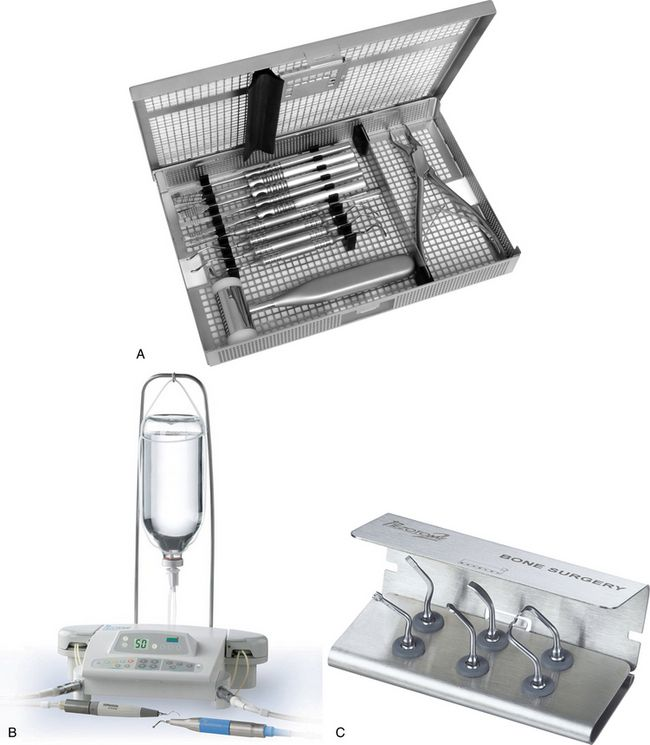
Piezoelectric Surgery Instruments vs. Rotary Burs: Cutting Efficiency, Osseointegration Safety, and Soft Tissue Protection

03
Jun
Jun
Introduction Advancements in dental and oral surgery have significantly improved the precision, safety, and predictability of bone-related procedures (Piezoelectric Surgery Instruments). Among the most important developments is the introduction of piezoelectric surgery technology, which has emerged as an alternative to conventional rotary burs for osteotomy, implant site preparation, sinus lifting, and bone grafting procedures (Piezoelectric […]