
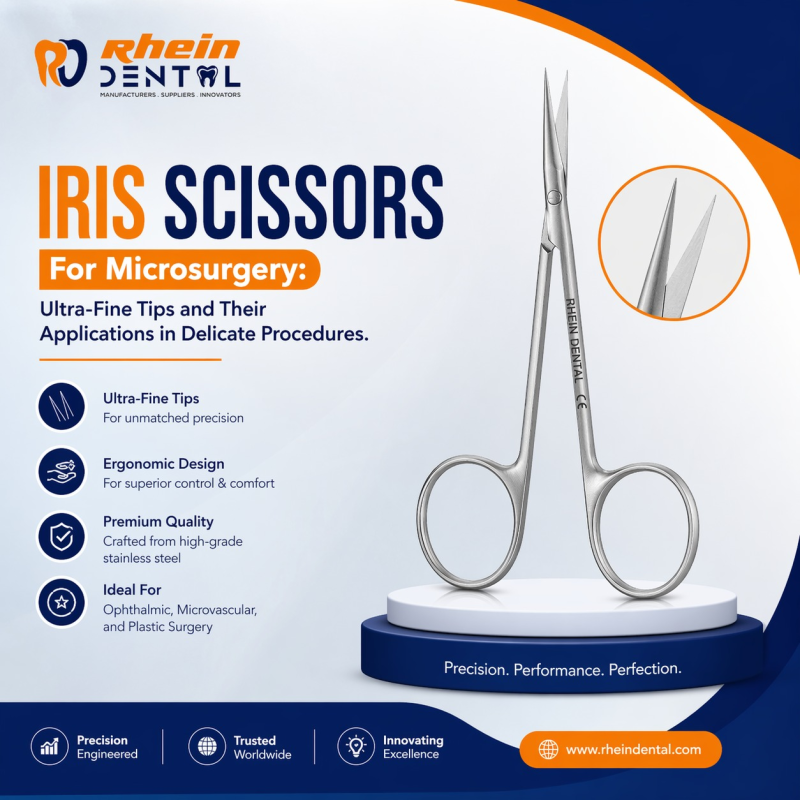
In the world of microsurgery, precision is everything. When working with tiny structures such as blood vessels, nerves, or delicate tissues, even the smallest error can have significant consequences. Among the essential tools that enable surgeons to perform with exceptional accuracy are Iris scissors—a finely crafted instrument designed for intricate and controlled cutting. Originally developed […]
Category Archives: Surgical Instruments Blog
Explore in-depth guides on surgical instruments, medical tools, and surgical equipment used across dental, orthopedic, and general surgery. This blog covers everything from scalpels, forceps, retractors, and surgical scissors to needle holders and clamps with detailed comparisons of materials, grades, and brands. Learn proper sterilization techniques, instrument maintenance, and storage best practices to extend tool life and ensure patient safety. Stay updated with the latest innovations in surgical instrument technology, buying guides for clinics and hospitals, and expert tips trusted by surgeons, dental professionals, and medical suppliers worldwide.
Surgical Instruments Blog
Hemostatic Forceps Maintenance: Cleaning Serrations to Maintain Optimal Gripping Power
30
Mar
Mar
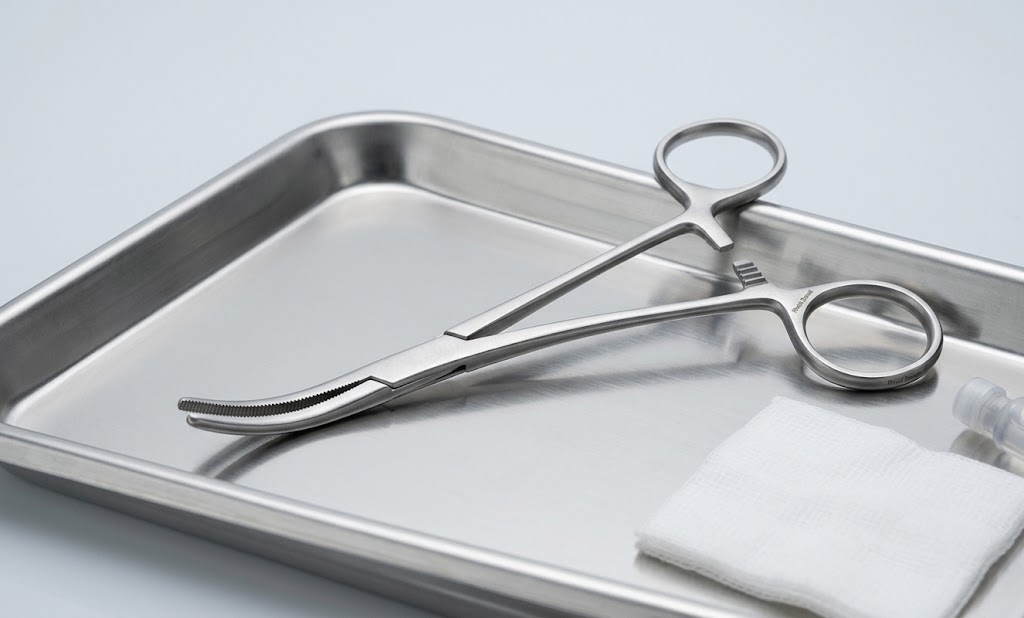
Hemostatic forceps are among the most essential tools in any surgical or dental procedure. They control bleeding, clamp vessels, and secure tissues with precision. However, like any instrument, their performance depends heavily on proper maintenance. One critical aspect often overlooked is the care of their serrations the small ridges along the gripping surfaces. Dirty or […]
Surgical Instruments Blog
Metzenbaum Scissors in Soft Tissue Dissection: Blunt Tip Design That Prevents Accidental Puncture
30
Mar
Mar
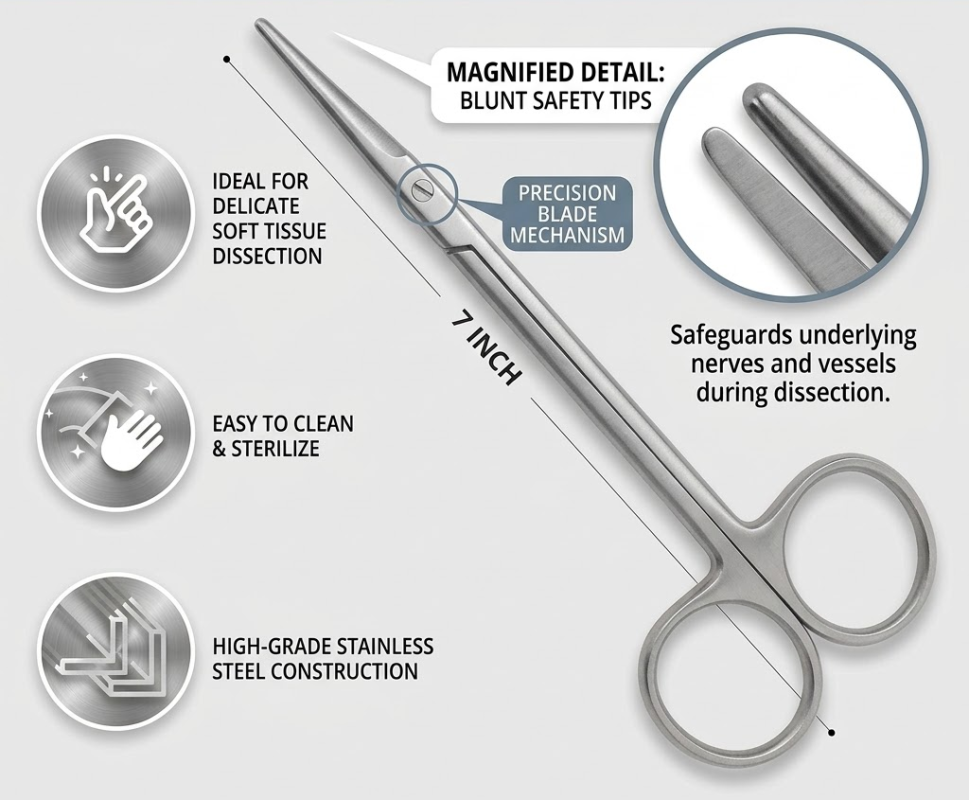
In delicate surgical environments especially in oral and maxillofacial procedures precision isn’t just about sharpness; it’s about control and safety. Among the most trusted instruments for soft tissue work are Metzenbaum scissors, widely recognized for their refined design and atraumatic performance. A defining feature that sets them apart is their blunt tip, engineered specifically to […]
30
Mar
Mar
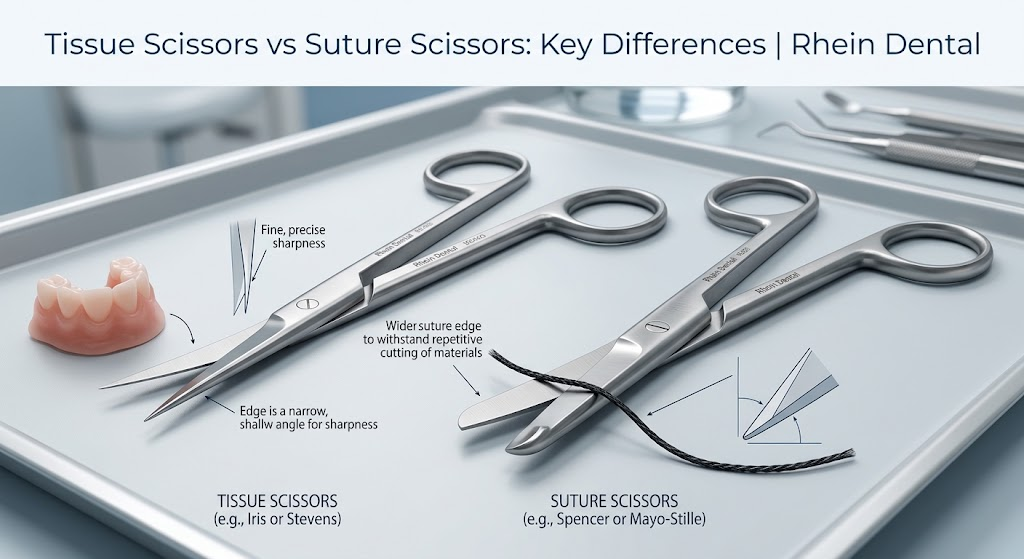
Tissue scissors and suture scissors differ mainly in blade sharpness and edge angle. Tissue scissors carry an ultra-sharp, finely honed blade. Surgeons use them for precise dissection of delicate tissue. Suture scissors carry a sturdier, less sharp edge. This design lets them cut suture material again and again without dulling quickly. These two instruments often […]
Surgical Instruments Blog
Curved vs. Straight Surgical Scissors: How Blade Geometry Affects Access in Oral Cavity
30
Mar
Mar
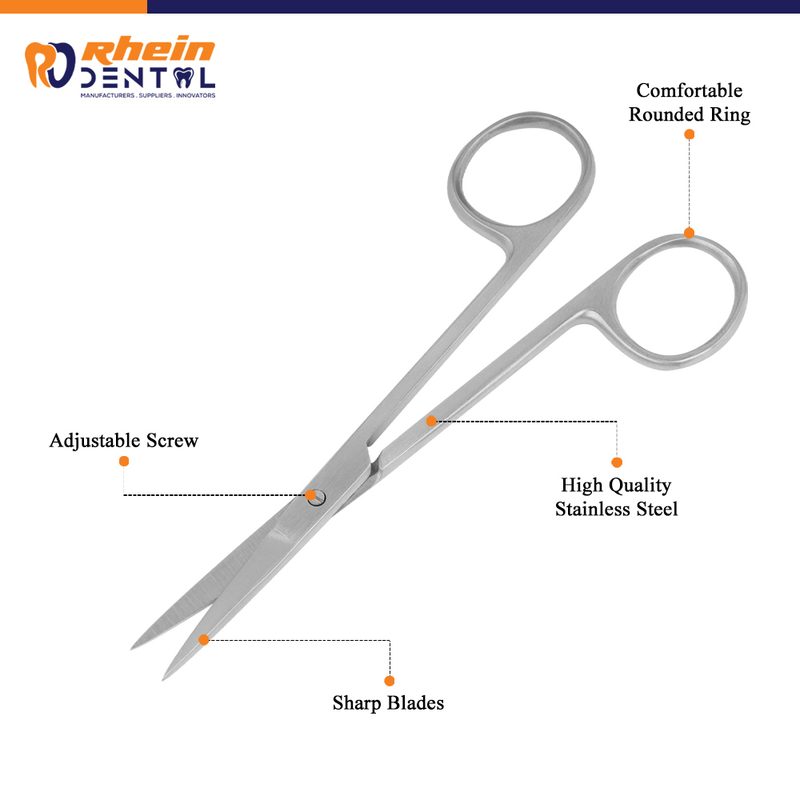
In oral and maxillofacial procedures, access is often limited by the compact and complex anatomy of the mouth. Every millimeter matters. Among the essential instruments used in these procedures, surgical scissors play a critical role not just in cutting, but in enabling precise maneuverability. One of the most important distinctions clinicians must understand is the […]
Surgical Instruments Blog
Emergency Bleeding Control: The 5 Essential Hemostatic Instruments Every Dental Office Needs
28
Mar
Mar
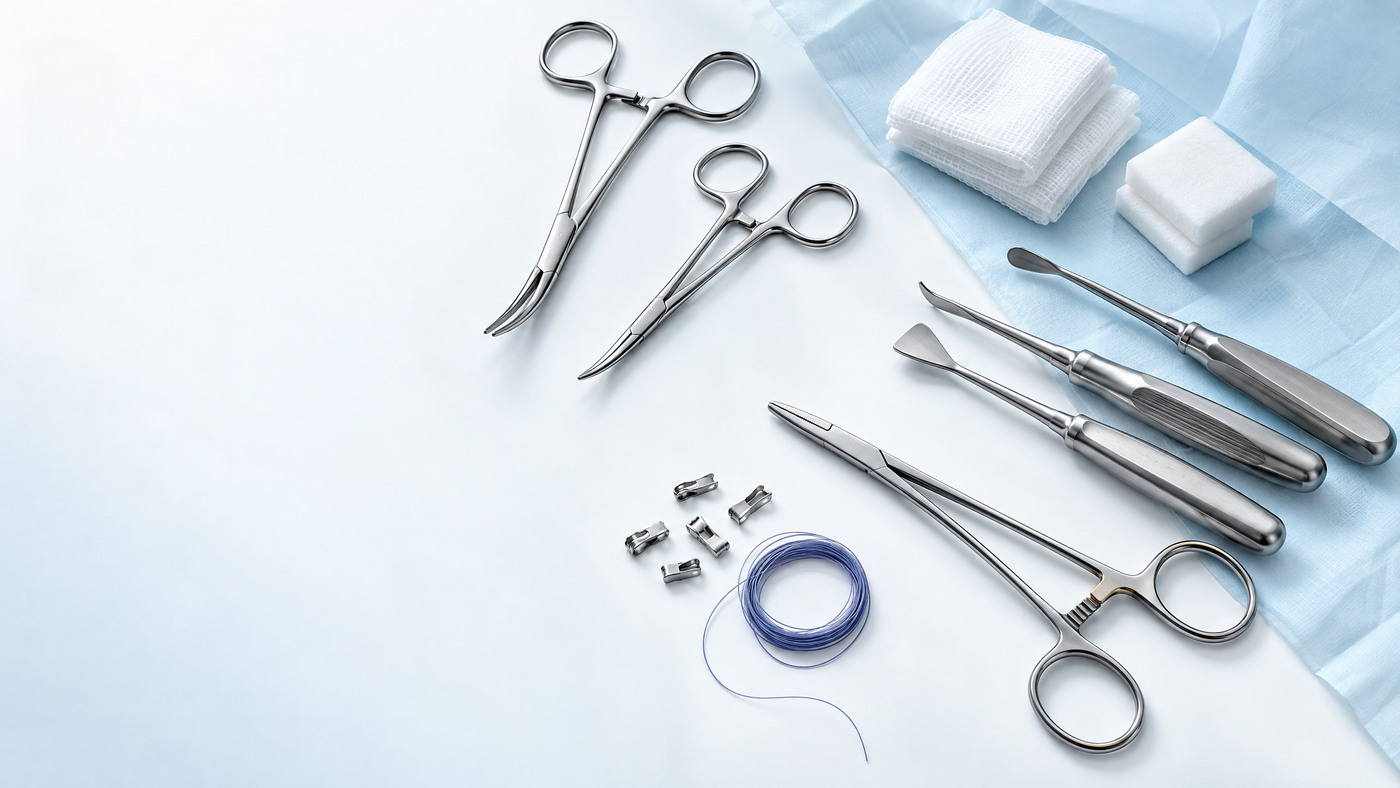
Dental emergencies can happen at any time, and uncontrolled bleeding is one of the most critical situations a dental team may face. Therefore, having the right hemostatic instruments on hand is essential to manage bleeding quickly and safely. Proper preparation not only ensures patient safety but also helps maintain confidence and efficiency during urgent procedures. […]
Surgical Instruments Blog
Atraumatic Clamps for Delicate Tissues: Rubber-Shod Tips vs. Standard Metal Jaws
27
Mar
Mar
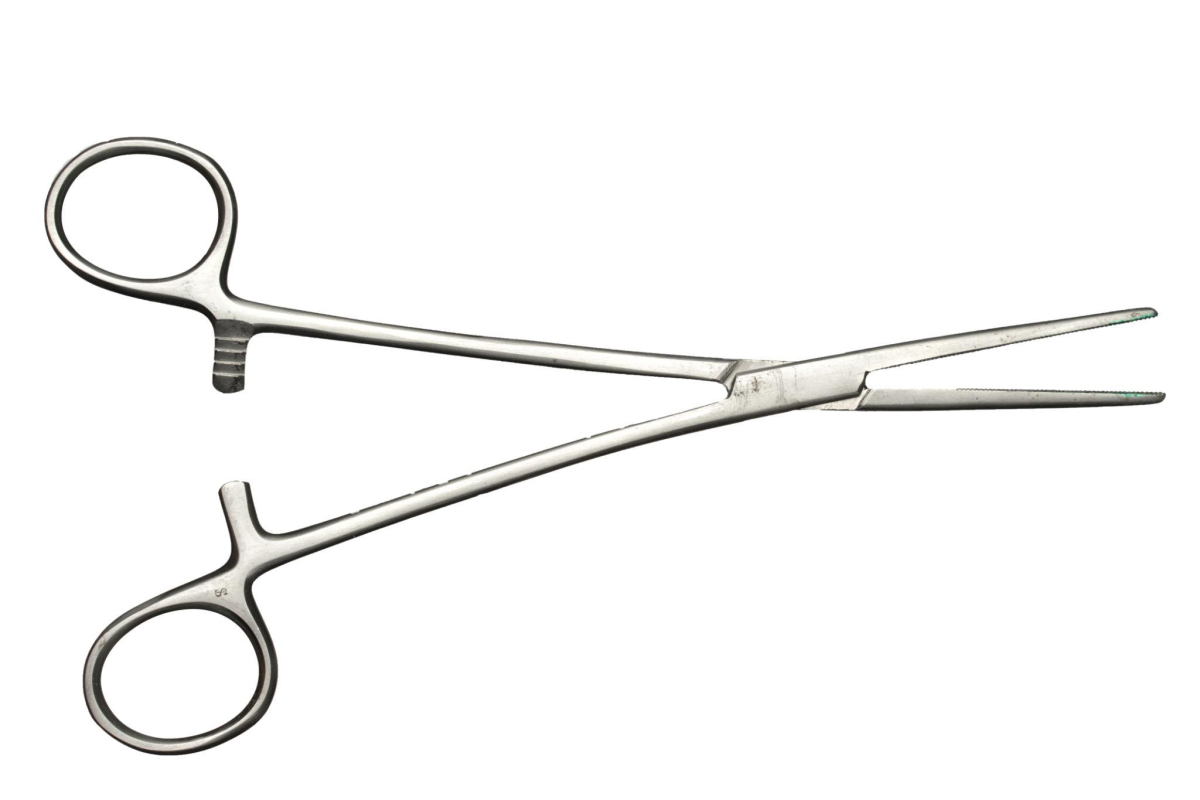
In surgical and dental procedures, handling delicate tissues requires precision, control, and minimal trauma. Atraumatic clamps are specifically designed to protect tissues while providing a secure grip. Two common types are rubber-shod clamps and standard metal jaw clamps, each with unique features that influence their use and effectiveness. What Are Atraumatic Clamps? Atraumatic clamps are […]
Surgical Instruments Blog
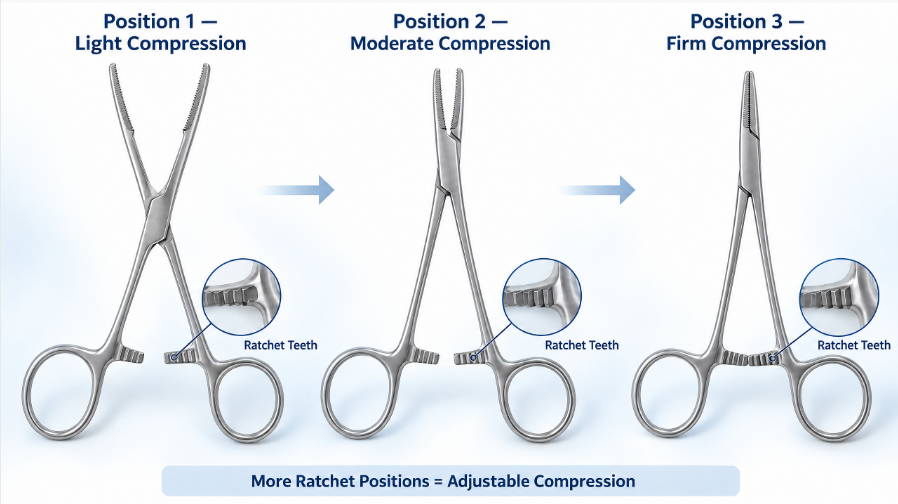
Ratchet Lock Mechanisms in Clamps: How Multiple Positions Provide Adjustable Compression
27
Mar
Mar
In surgical, dental, and mechanical applications, clamps are essential tools for holding objects securely. One key feature that makes clamps versatile is the ratchet lock mechanism, which allows adjustable compression across multiple positions. Understanding how this works helps practitioners achieve better control, safety, and efficiency during procedures. What Is a Ratchet Lock Mechanism? A ratchet […]
Surgical Instruments Blog
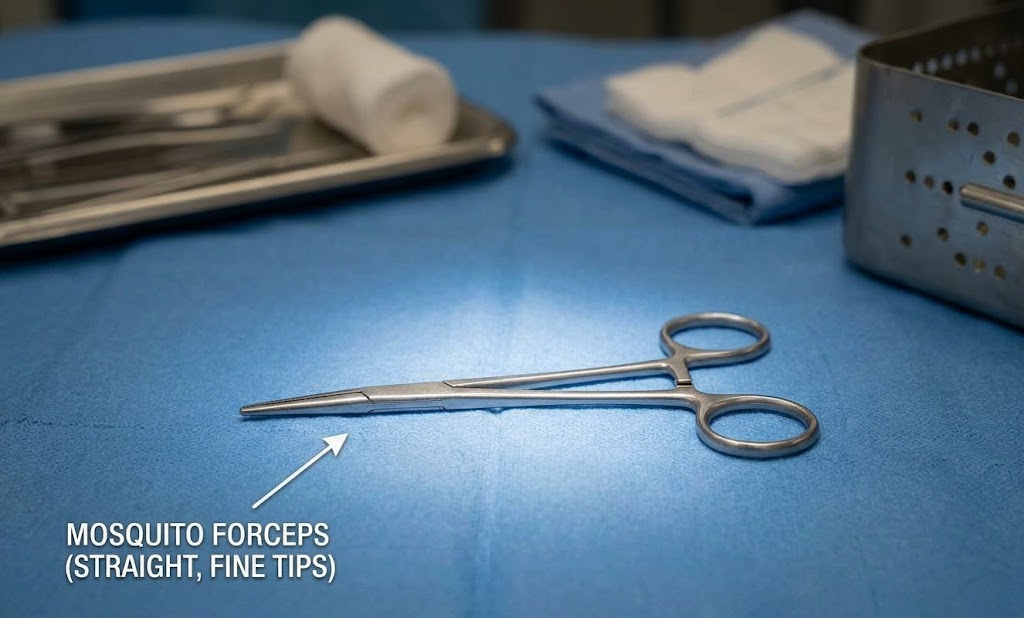
Mosquito Forceps in Dental Surgery Choosing Between Curved and Straight Tips
26
Mar
Mar
Mosquito forceps are essential instruments in dental and surgical procedures, used primarily for clamping small blood vessels, controlling bleeding, and holding tissues. Selecting the right type curved or straight tips can significantly affect precision, visibility, and surgical outcomes. This guide helps dentists, distributors, and clinics understand the differences, advantages, and best practices for using mosquito […]
Surgical Instruments Blog
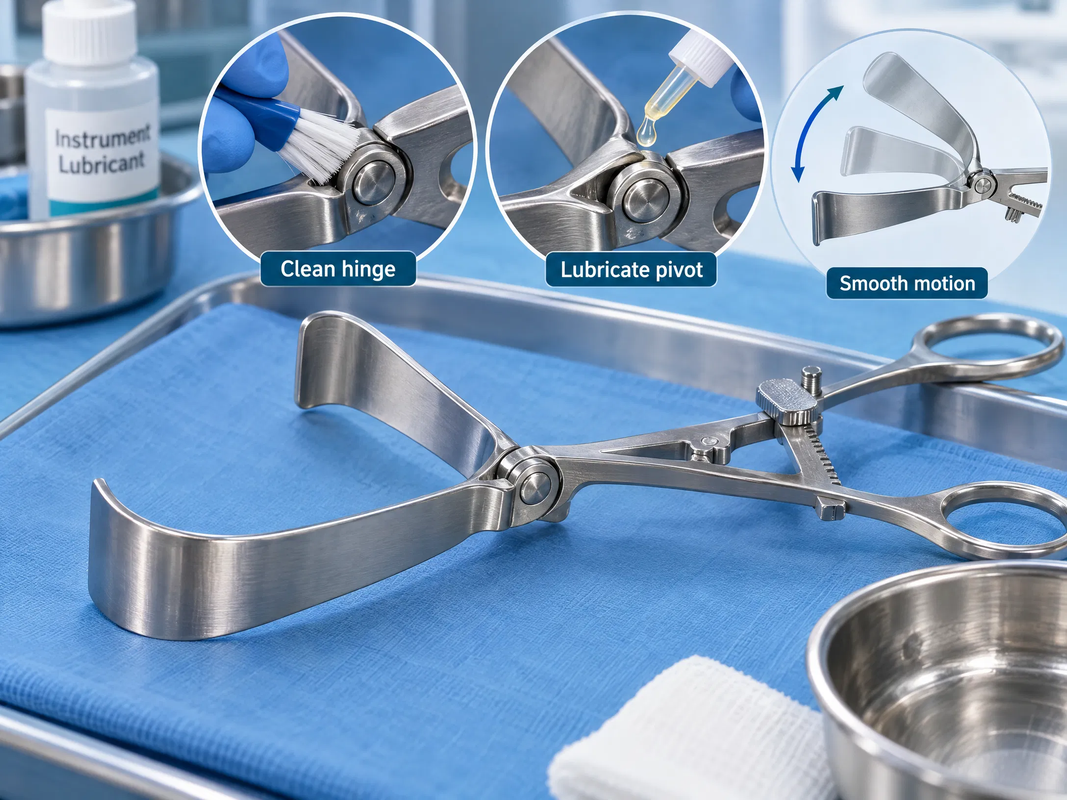
Stainless Steel Retractor Maintenance: Preventing Joint Stiffness in Hinged Instruments
16
Mar
Mar
In surgical and dental settings, stainless steel retractors with hinged joints are essential for holding tissue and maintaining visibility during procedures. However, frequent sterilization, improper cleaning, and lack of lubrication can cause joint stiffness, making instruments difficult to open or close (Stainless steel retractor maintenance). Proper maintenance not only ensures smooth instrument movement but also […]