
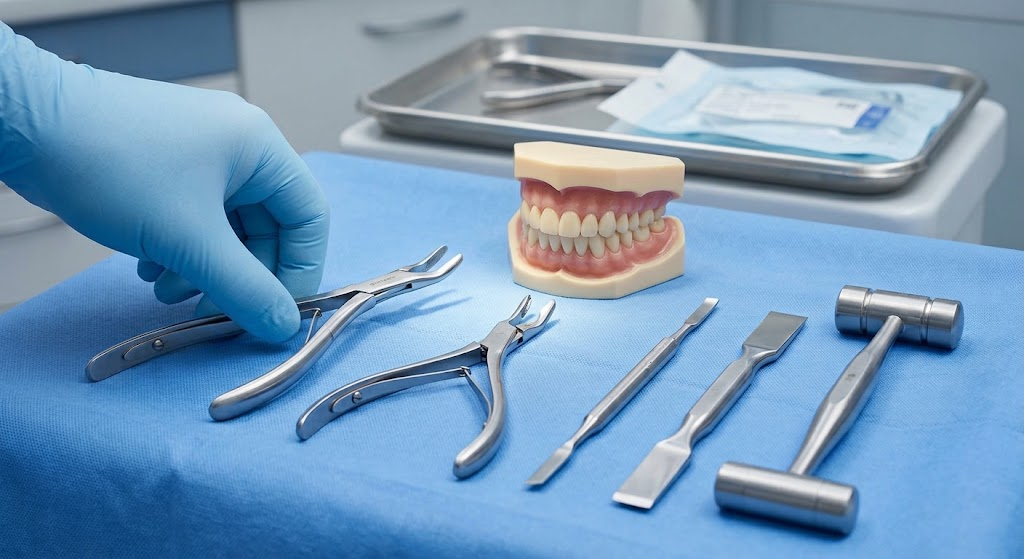
Introduction Oral and maxillofacial surgical procedures often require precise bone contouring and removal to create optimal anatomical conditions for healing, prosthetic rehabilitation, or implant placement. Among the most essential instruments used in these procedures are bone rongeurs and surgical chisels. Their proper selection and application significantly influence surgical efficiency, precision, and patient outcomes. Alveoloplasty and […]
Category Archives: Surgical Instruments Blog
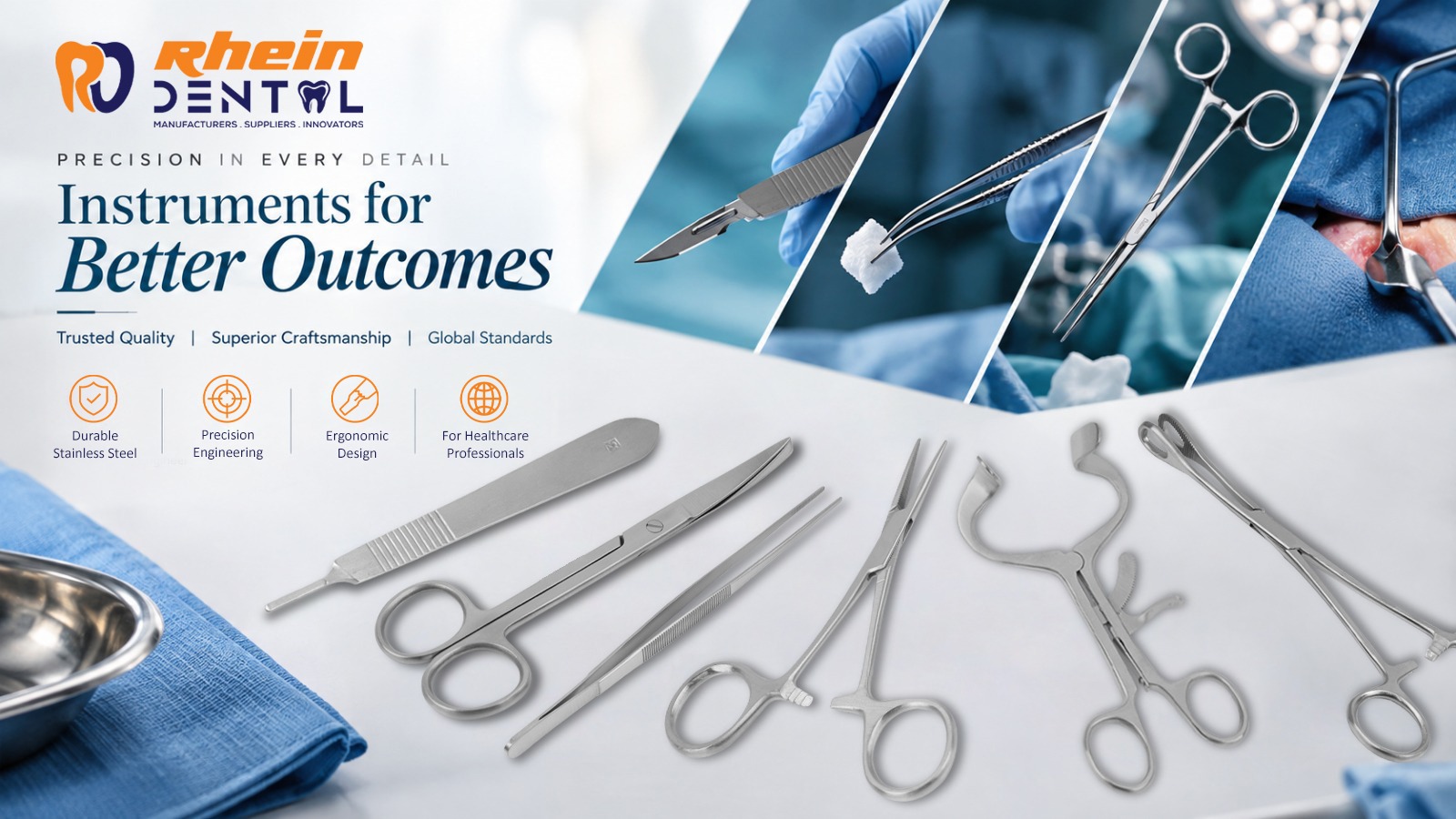
Explore in-depth guides on surgical instruments, medical tools, and surgical equipment used across dental, orthopedic, and general surgery. This blog covers everything from scalpels, forceps, retractors, and surgical scissors to needle holders and clamps with detailed comparisons of materials, grades, and brands. Learn proper sterilization techniques, instrument maintenance, and storage best practices to extend tool life and ensure patient safety. Stay updated with the latest innovations in surgical instrument technology, buying guides for clinics and hospitals, and expert tips trusted by surgeons, dental professionals, and medical suppliers worldwide.
Surgical Instruments Blog
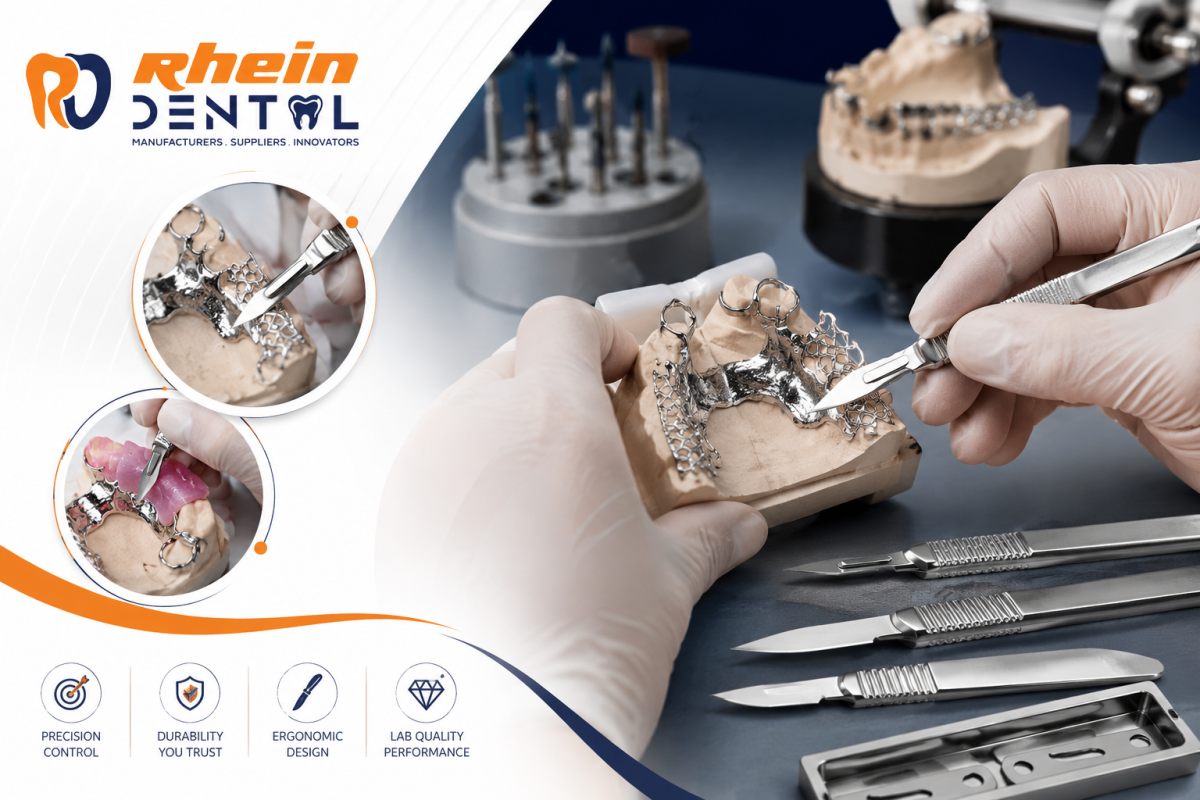
Trimming Knives and Scalpel Handles in the Dental Lab: Precision Cutting Techniques for Removable Partial Denture Framework Adjustment
11
May
May
Precision is one of the most critical elements in dental laboratory procedures, especially during the fabrication and adjustment of removable partial denture (RPD) frameworks. Even the smallest inaccuracies can affect fit, comfort, retention, and long-term prosthetic success. Among the essential hand instruments used for detailed laboratory adjustments are trimming knives and scalpel handles, which provide […]
Surgical Instruments Blog
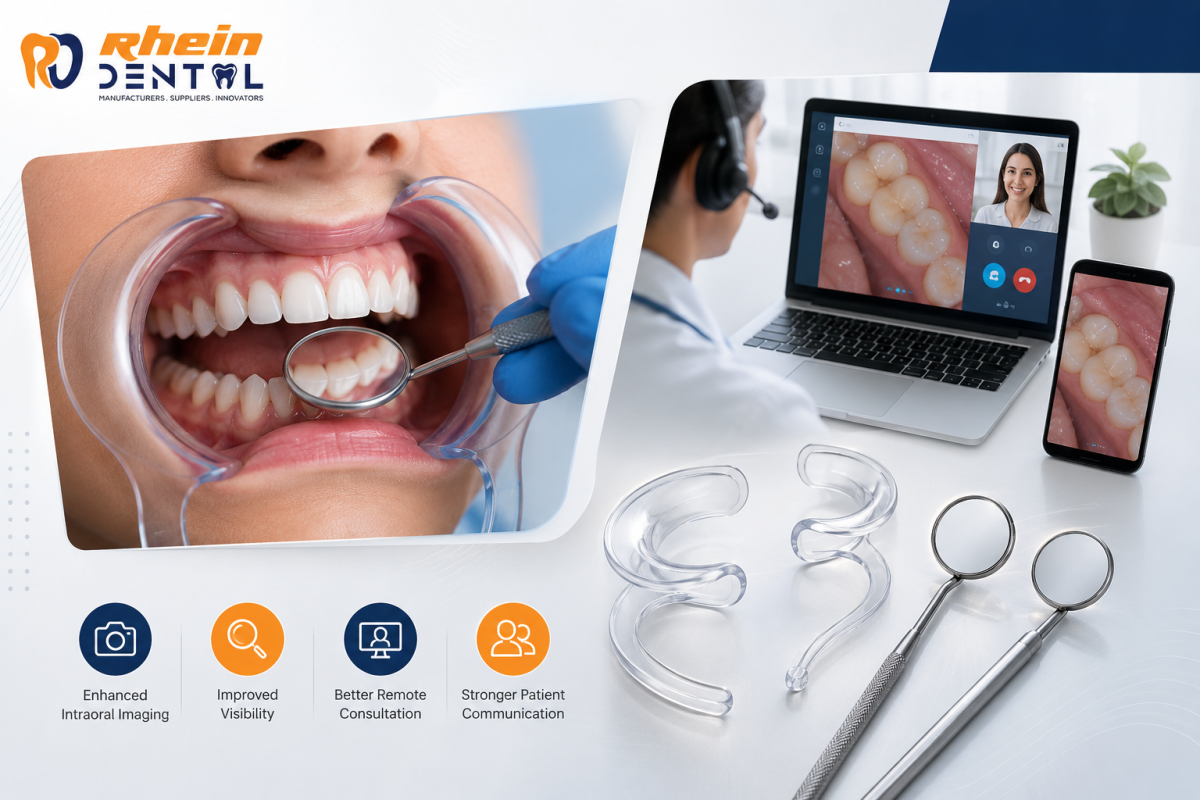
The Clinical Role of Cheek Retractors and Mouth Mirrors in Intraoral Photography and Tele dentistry
07
May
May
Modern dentistry increasingly depends on accurate visual documentation. From treatment planning to patient education, high-quality intraoral images have become essential in everyday clinical practice. As teledentistry continues to grow, dental professionals also require reliable tools that improve image clarity, visibility, and diagnostic communication. Among the most important instruments used during intraoral photography are cheek retractors […]
Surgical Instruments Blog
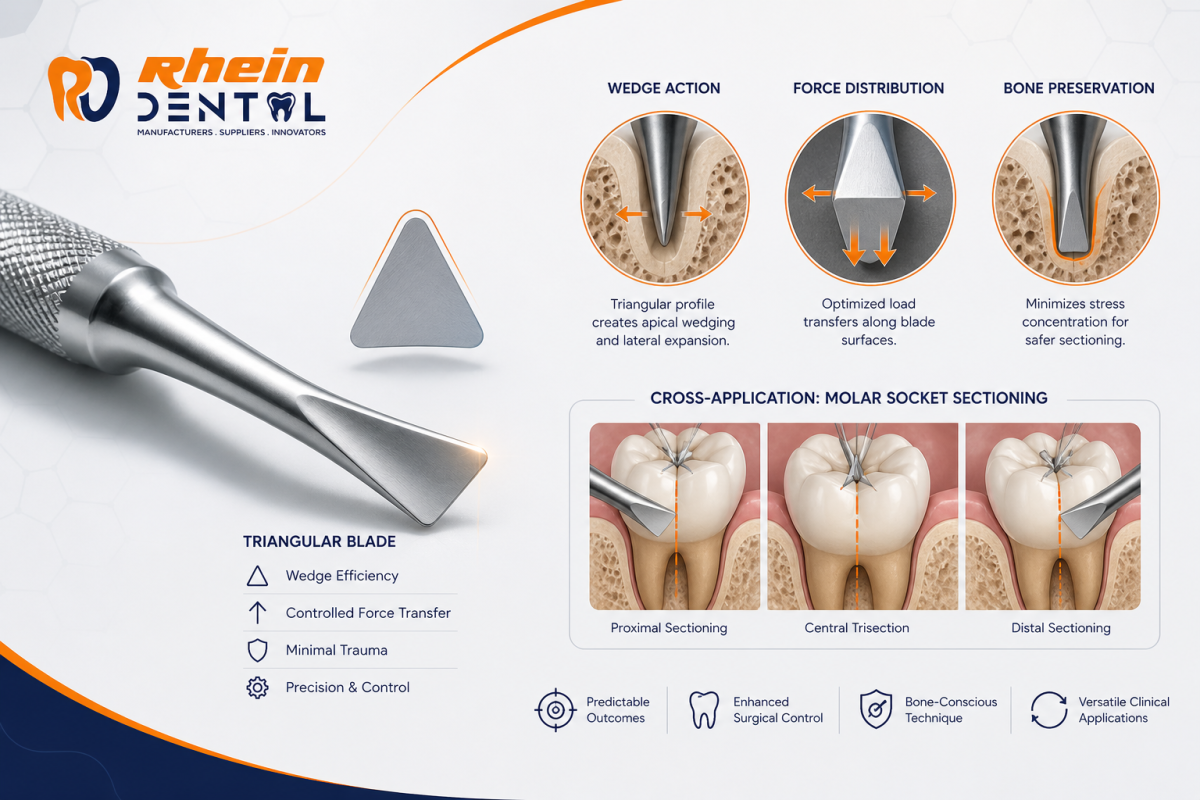
Cryer Elevator Working Principles: Triangular Blade Physics and Cross-Application in Molar Socket Sectioning
05
May
May
In oral surgery, precision isn’t just a preference it’s a necessity. Among the instruments designed for controlled tooth elevation, the Cryer elevator holds a special place. Its unique geometry, especially the triangular blade design, transforms rotational force into effective leverage, making it indispensable in challenging molar extractions and root retrieval cases (Cryer elevator working principle). […]
Surgical Instruments Blog
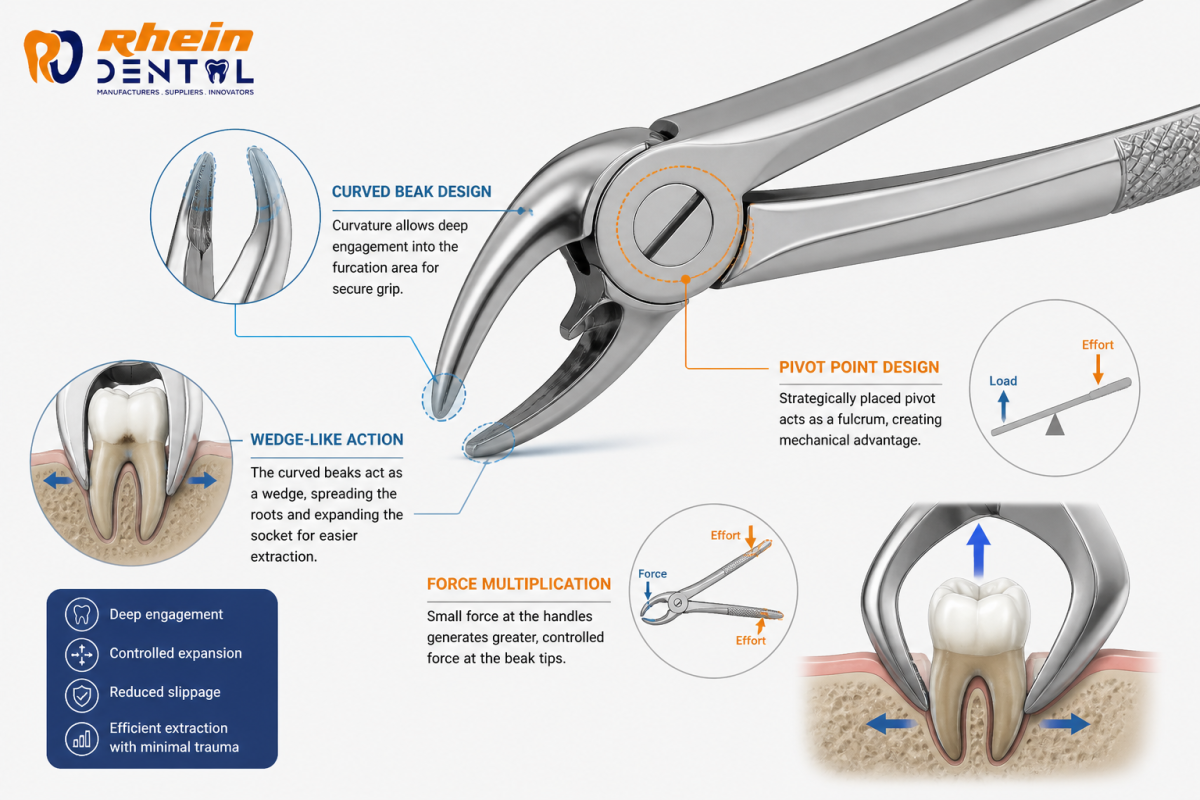
Cowhorn Forceps Mechanics: How Beak Curvature and Pivot Point Design Generate Controlled Extraction Force
05
May
May
Dental extraction is not just about force. Instead, it depends on controlled biomechanics, precision, and proper instrument design. Among extraction instruments, Cowhorn forceps stand out because they combine mechanical efficiency with anatomical adaptability. Moreover, their design helps clinicians manage difficult molar extractions with greater control and reduced trauma (Cowhorn Forceps Mechanics). What Are Cowhorn Forceps? […]
Surgical Instruments Blog
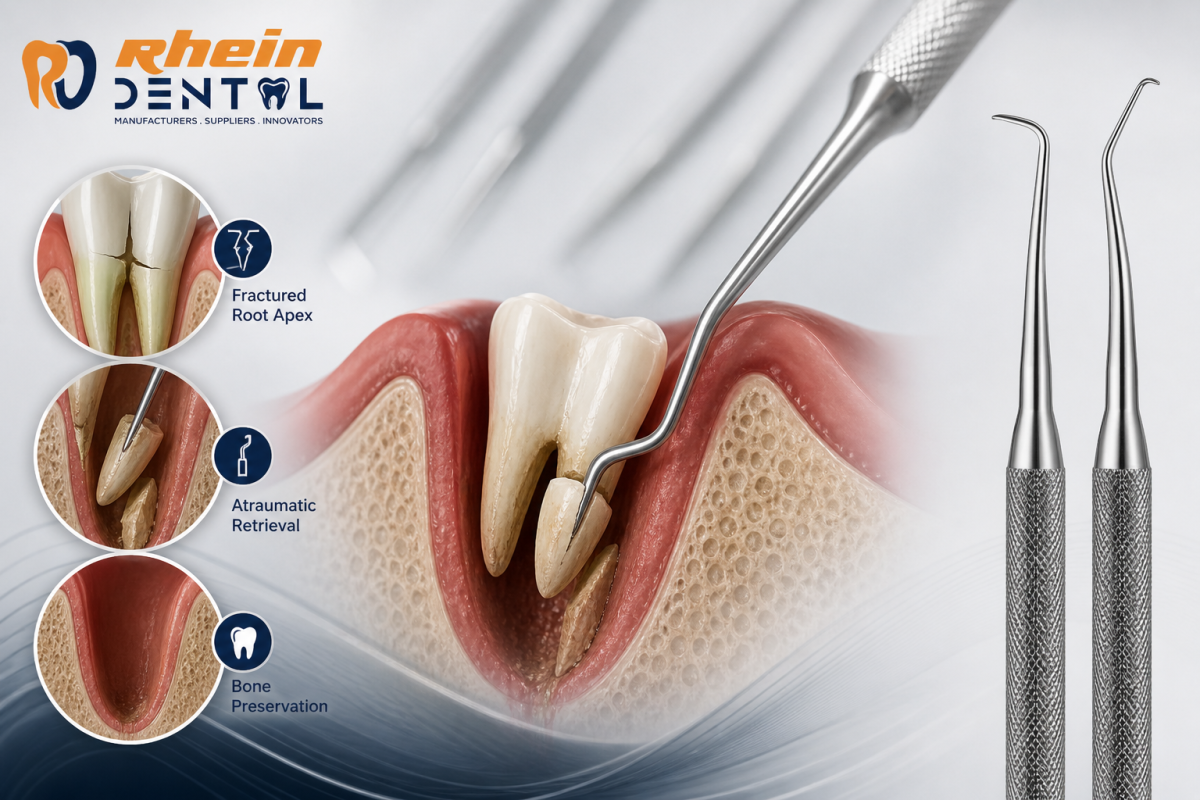
Root Tip Picks and Apical Elevators: Techniques for Retrieving Fractured Root Apices Without Bone Loss
05
May
May
Fractured root apices are a common intraoperative challenge in exodontia especially in endodontically treated teeth, brittle roots, or anatomically complex molars. The goal isn’t just retrieval; it’s doing so atraumatically, preserving surrounding bone and soft tissue for optimal healing and future prosthetic or implant considerations (Root pick tips and apical elevators techniques). This guide breaks […]
Surgical Instruments Blog
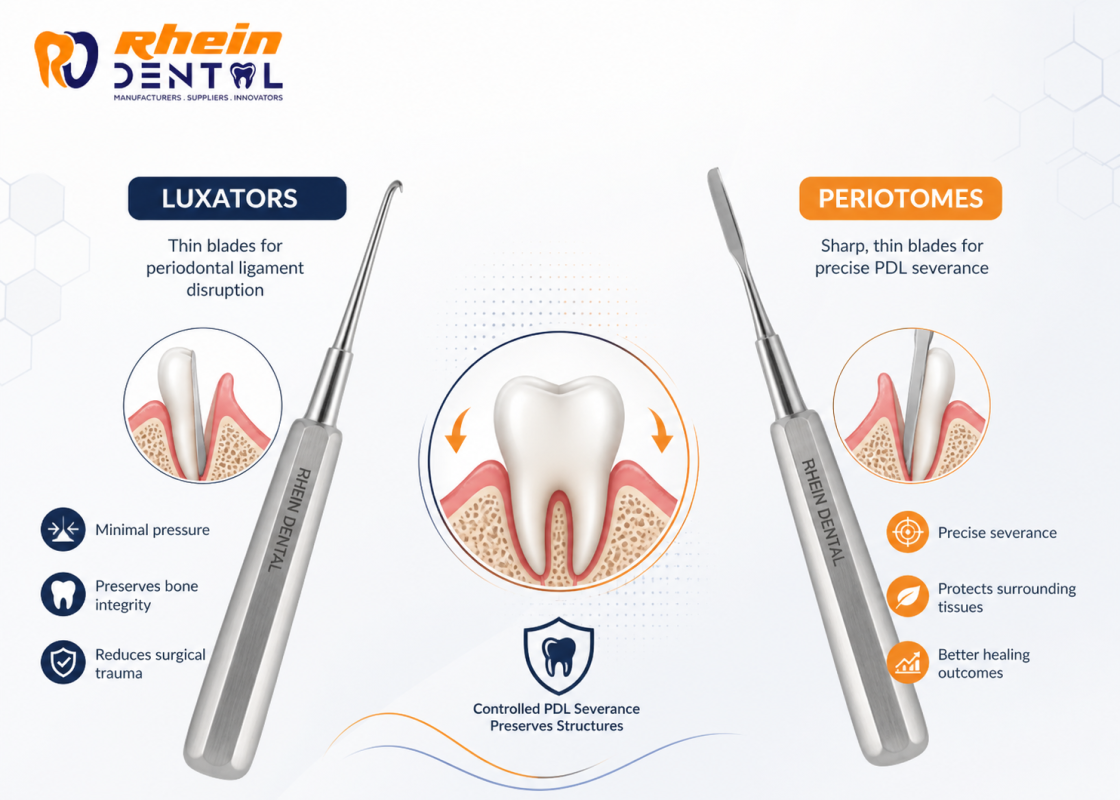
Luxators vs. Periotomes: How Thin Blades and Controlled PDL Severance Reduce Surgical Trauma
04
May
May
Modern dental extraction is no longer about force it is about precision, tissue preservation, and biomechanical control. As minimally invasive dentistry continues to evolve, instruments like luxators and periotomes have become essential for reducing surgical trauma during tooth removal (Luxators vs periotomes). Although both tools are designed to sever the periodontal ligament (PDL), their structure, […]
Surgical Instruments Blog
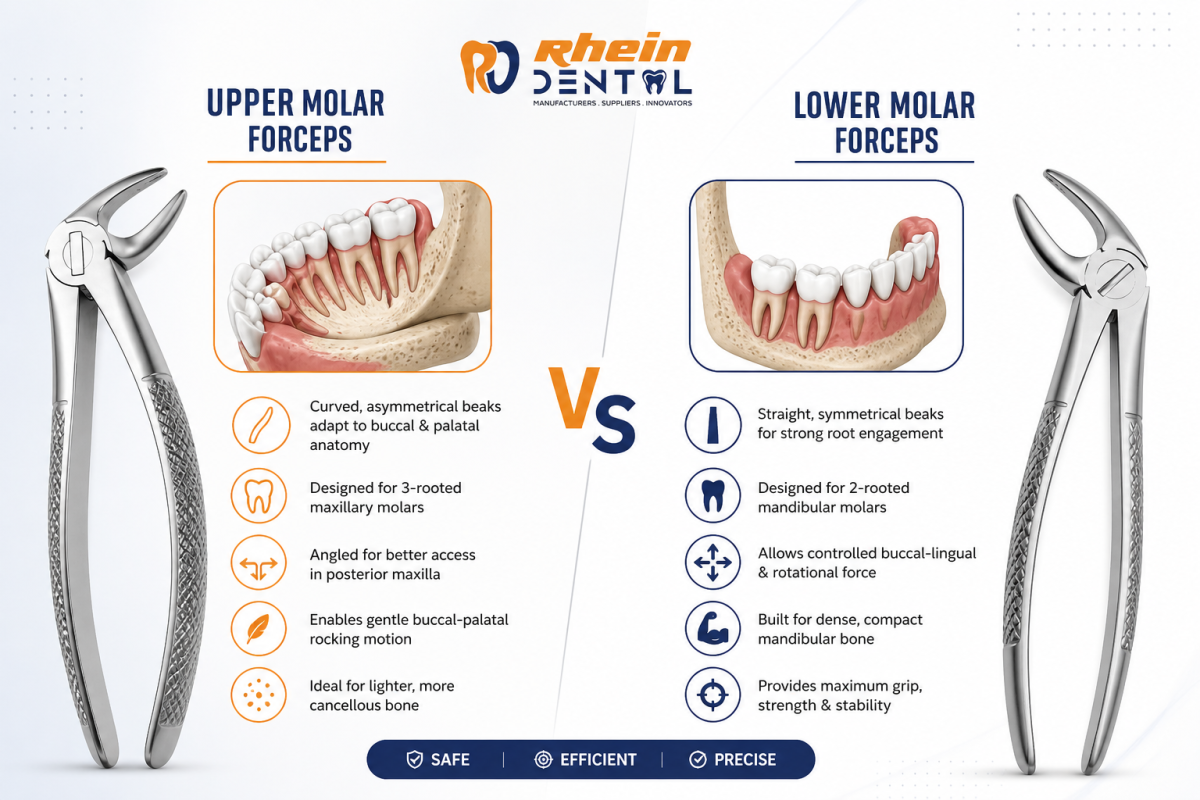
Upper vs. Lower Molar Forceps: Anatomical Design Differences That Determine Safe and Efficient Tooth Removal
04
May
May
Tooth extraction is never just about force; it is about precision, control, and anatomy-driven design. Because upper and lower molars differ significantly in structure and access, dentists rely on specifically engineered forceps to ensure safe and efficient removal. As a result, understanding these differences becomes essential for both clinical success and patient safety (Upper vs […]
Surgical Instruments Blog
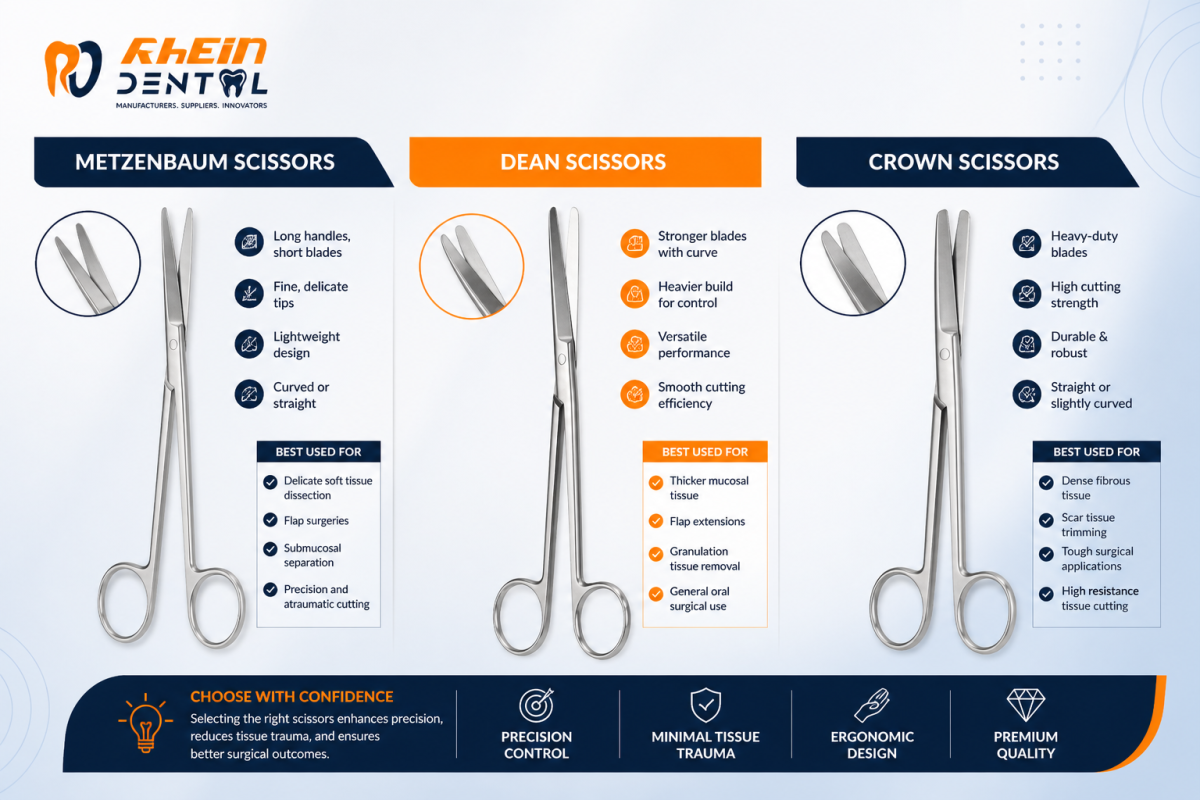
Metzenbaum, Dean, and Crown-and-Collar Scissors: How Blade Geometry Decides Which One Belongs in Your Tray
01
May
May
Every surgical scissor in a dental tray looks similar at first glance. Two blades, a pivot, a pair of rings. But compare a Metzenbaum against a Dean or a crown-and-collar scissor, and the differences stop being cosmetic. Blade length, tip shape, curvature, and shank design each solve a different problem. As a result, choosing the […]
Surgical Instruments Blog
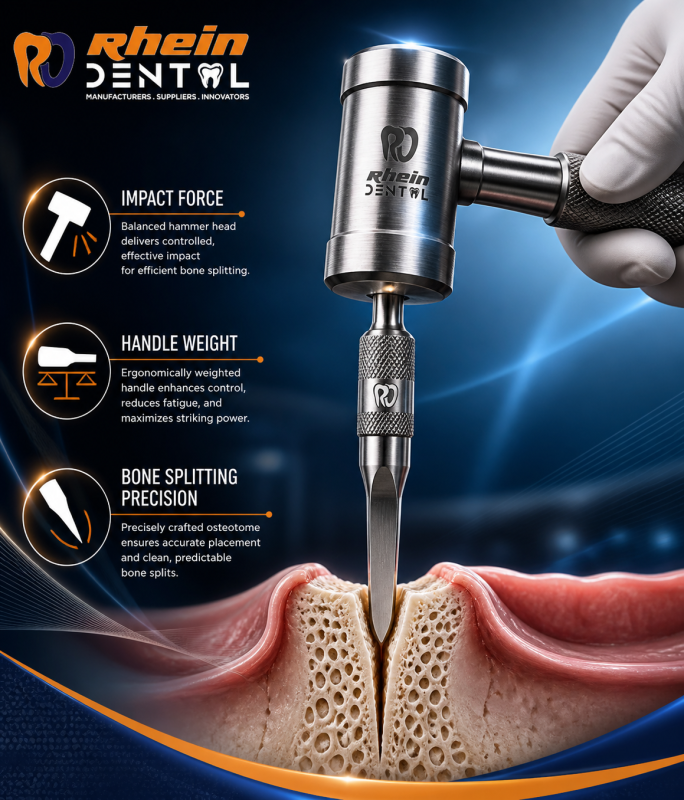
Surgical Hammer and Osteotome Pairing: Impact Force, Handle Weight, and Bone Splitting Precision
01
May
May
A surgical hammer and an osteotome never work alone. Together, they form a single mechanical system. Get the pairing wrong too heavy a hammer, too light an osteotome, or a mismatched strike angle and you risk uncontrolled bone fracture instead of a clean, predictable split. Get it right, and the two instruments transfer force exactly […]