
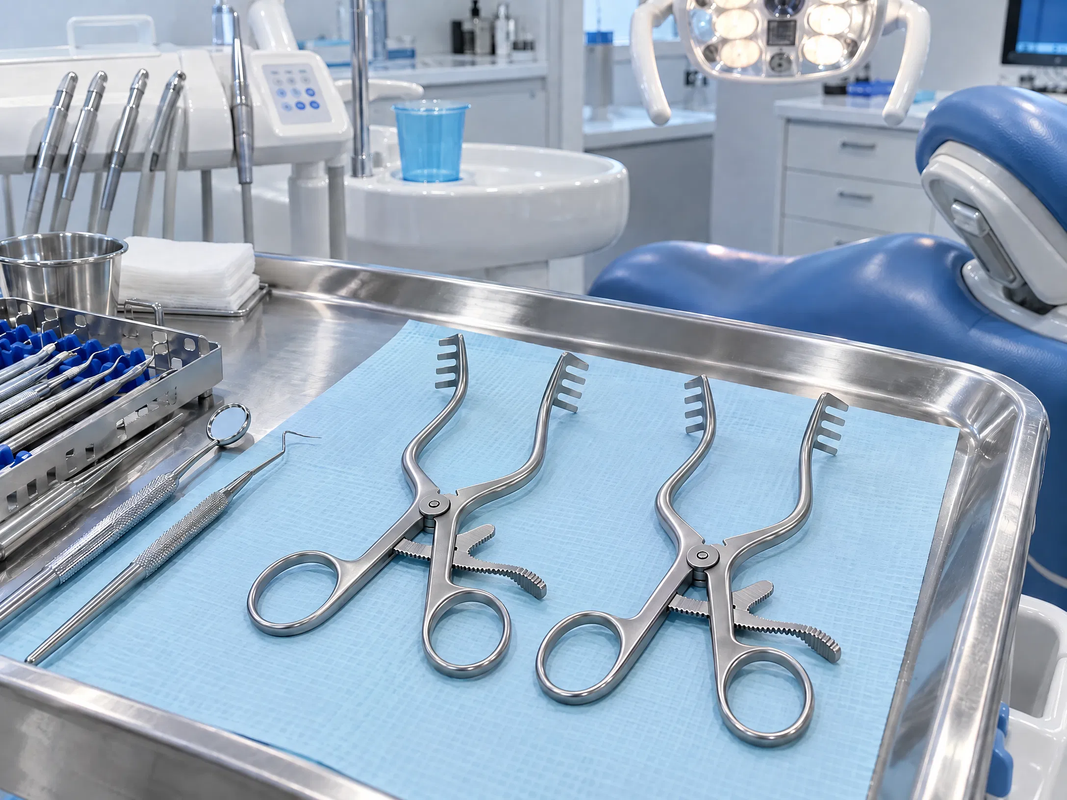
In dental and oral surgical procedures, maintaining a clear operative field is essential for precision and efficiency. One of the most widely used self-retaining instruments for this purpose is the Weitlaner Retractor. Known for its distinctive pronged tips and locking ratchet mechanism, this instrument is particularly valuable during extended dental and maxillofacial surgeries (Weitlaner Retractors […]
Category Archives: Surgical Instruments Blog
Explore in-depth guides on surgical instruments, medical tools, and surgical equipment used across dental, orthopedic, and general surgery. This blog covers everything from scalpels, forceps, retractors, and surgical scissors to needle holders and clamps with detailed comparisons of materials, grades, and brands. Learn proper sterilization techniques, instrument maintenance, and storage best practices to extend tool life and ensure patient safety. Stay updated with the latest innovations in surgical instrument technology, buying guides for clinics and hospitals, and expert tips trusted by surgeons, dental professionals, and medical suppliers worldwide.
Surgical Instruments Blog
Tongue Retractors and Patient Comfort: Smooth Edge Design That Prevents Tissue Trauma
14
Mar
Mar
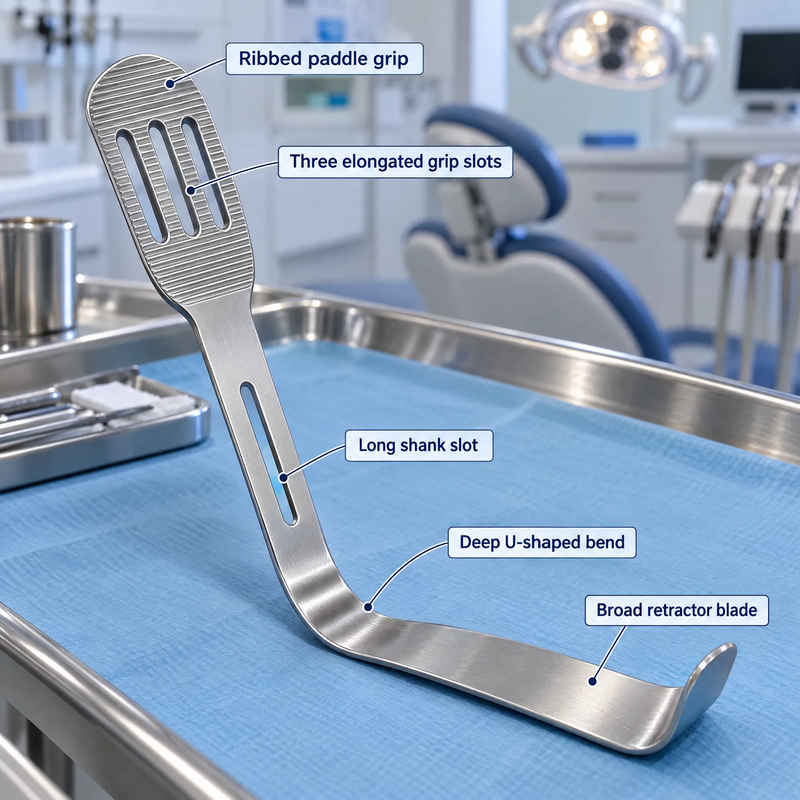
Tongue retractors are essential instruments used in dental, oral surgery, and ENT procedures. Their primary role is to hold the tongue safely away from the surgical or treatment area, allowing clinicians to maintain a clear view and access to the operative site. However, beyond visibility and access, patient comfort and tissue safety are equally important […]
Surgical Instruments Blog
Self-Retaining vs. Hand-Held Retractors: When to Use Each for Optimal Tissue Protection

12
Mar
Mar
In surgical and dental procedures, maintaining a clear operative field while protecting soft tissues is essential. Retractors are designed to hold back tissues such as the cheeks, lips, skin, or mucosal flaps, allowing surgeons to work with better visibility and precision (Self-Retaining vs Handheld Retractors). Two commonly used categories of retractors are self-retaining retractors and […]
Surgical Instruments Blog
Minnesota Retractors in Oral Surgery: Double-Ended Design for Better Surgical Field Exposure
12
Mar
Mar
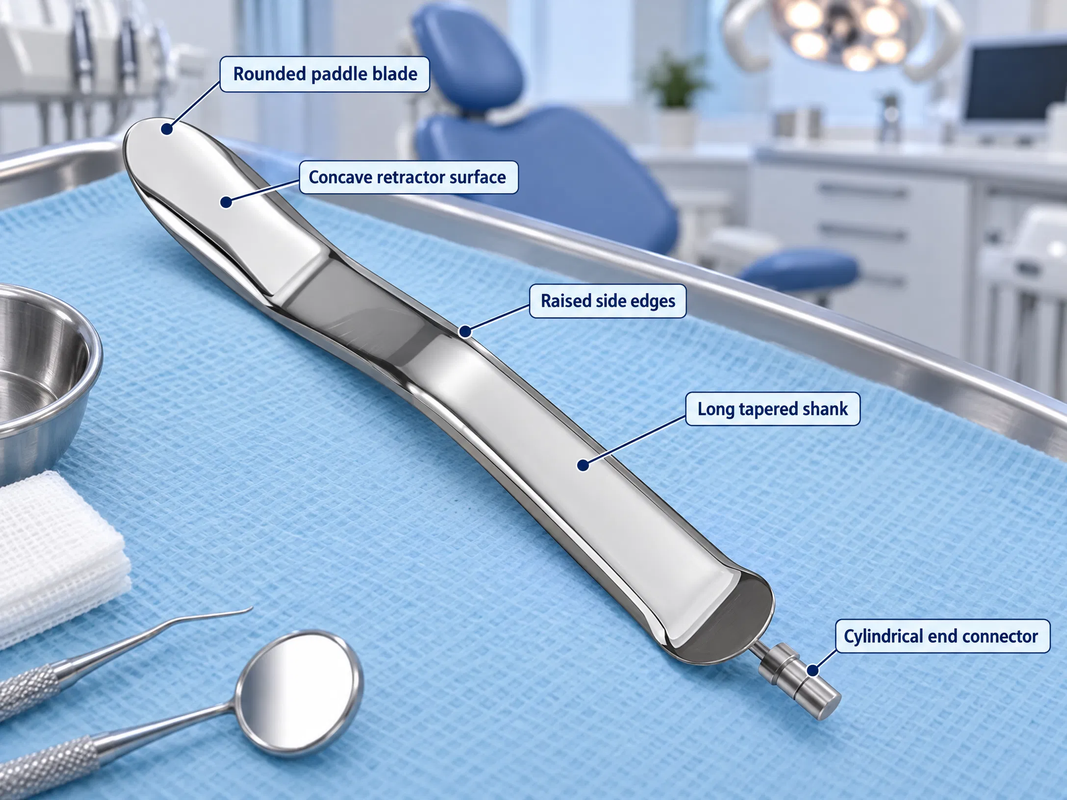
Oral surgery requires clear visibility, controlled tissue retraction, and precision handling of soft tissues. Among the essential instruments used to achieve these goals is the Minnesota retractor. Known for its double-ended design and ergonomic structure, this instrument helps surgeons maintain a clear surgical field while minimizing trauma to surrounding tissues (Minnesota Retractor Design). In procedures […]
Surgical Instruments Blog
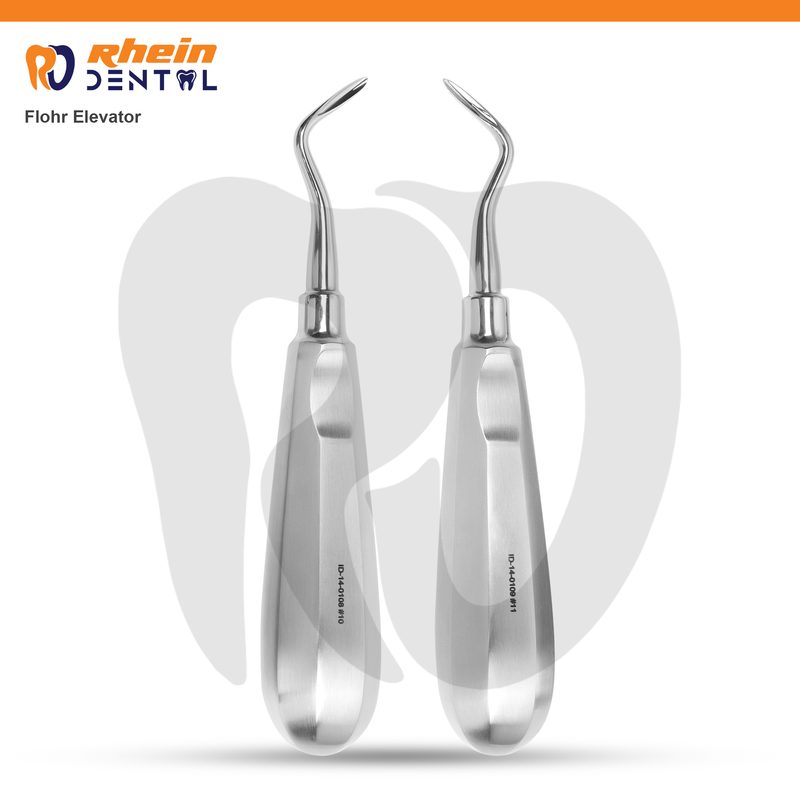
Dental Elevators in Tooth Extraction: Blade Design, Shank Angulation & Handle Structure Explained Through Luxation Physics
01
Mar
Mar
Tooth extraction is not just about force it’s about controlled biomechanics. Dental elevators are precision instruments designed to luxate teeth gently, expand the alveolar socket, and mobilize roots before forceps delivery (Dental Elevators Design). Understanding blade design, shank angulation, and handle structure helps clinicians apply the right physics with maximum control and minimum trauma. Understanding […]
Surgical Instruments Blog
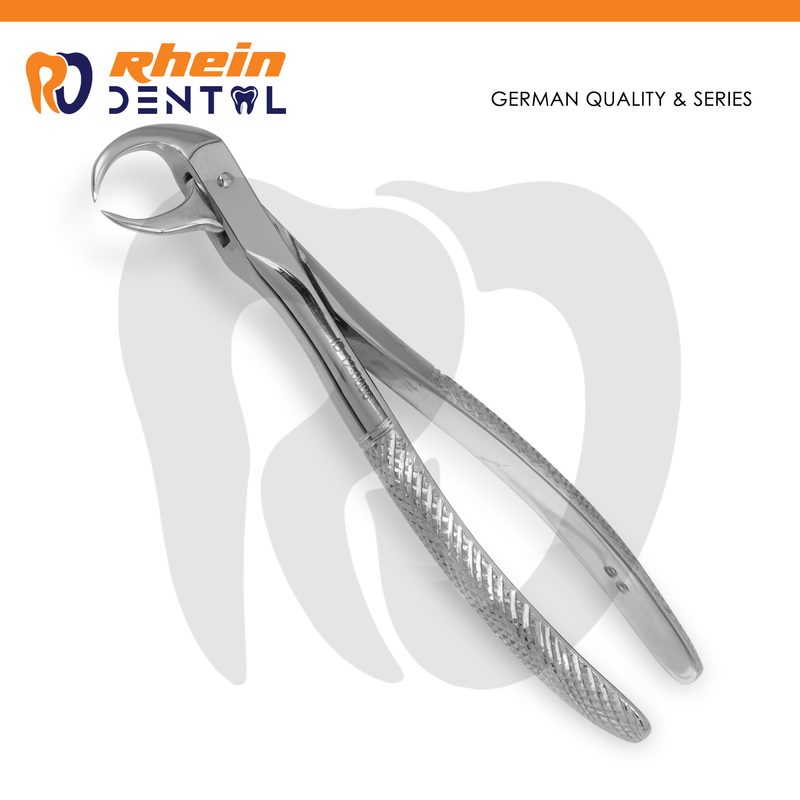
Upper vs. Lower Extraction Forceps: Handle Angles, Beak Curvature, and Apical Angulation in Force Application Optimization
28
Feb
Feb
Successful dental extraction is not just about force it is about controlled, anatomically directed force. The difference between upper and lower extraction forceps lies in their structural engineering. Handle angles, beak curvature, and apical angulation are carefully designed to match maxillary and mandibular anatomy, ensuring optimal leverage, stability, and atraumatic tooth removal (Upper vs Lower […]
Surgical Instruments Blog
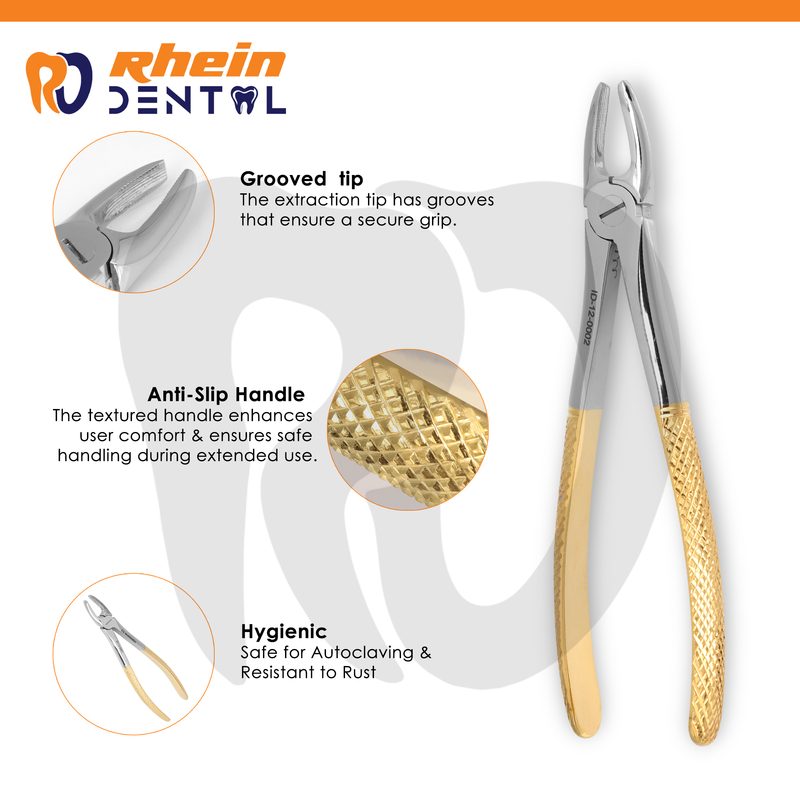
Dental Extraction Forceps: Beak Curvature, Apical Angulation, Inner Concavity, and Bifurcation Adaptation
28
Feb
Feb
Dental extraction forceps are among the most technique-sensitive instruments in oral surgery. While they may appear simple at first glance, their design directly influences grip stability, controlled luxation, and atraumatic tooth removal. In particular, four design elements beak curvature, apical angulation, inner concavity, and bifurcation adaptation determine how effectively the instrument engages the tooth and […]
Surgical Instruments Blog
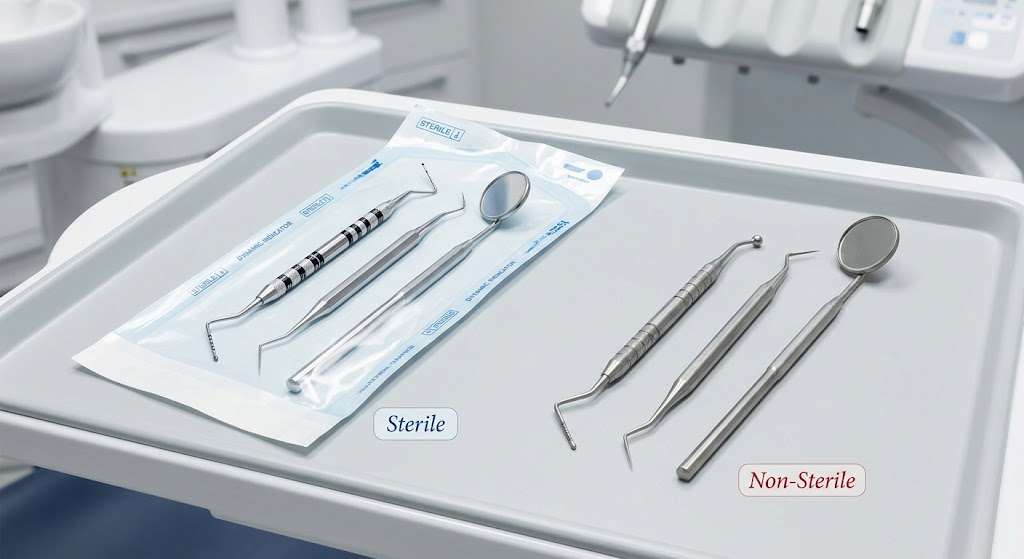
Sterile vs. Non-Sterile Diagnostic Instruments: Tip Design, Shank Material, Working End Coating & Handle Composition
27
Feb
Feb
In dental and medical practice, the reliability of diagnostic instruments is critical. Beyond sterilization, the structural design of these instruments including tip geometry, shank material, working end coating, and handle composition can directly influence diagnostic precision, clinician comfort, and patient safety. Understanding the differences between sterile and non-sterile instruments and how their design affects performance […]
Surgical Instruments Blog
Angular Osteotome Diameter Guide: Choosing Between 3.3mm, 4mm, and 5mm for Sinus Lift Success
23
Feb
Feb
Introduction The angular osteotome is indispensable in sinus lift procedures condensing bone, elevating the Schneiderian membrane, and preparing implant sites atraumatically. But diameter selection is one of the most critical decisions a clinician makes. Choosing between 3.3mm, 4mm, and 5mm is a clinical decision rooted in bone anatomy, implant size, and surgical goal not guesswork. […]
Periosteal Elevator: Maintaining Beveled Edges, Blade, and Handle for Trauma-Free Retraction Introduction The periosteal elevator is one of the most critical yet overlooked instruments in oral surgery. Its role — lifting and retracting the periosteum without tearing delicate tissue — depends entirely on its condition. Proper maintenance of its beveled edges, blade contours, and handle […]