Hydraulic Sinus Lift Instruments Explained for Safer Sinus Elevation
Hydraulic sinus lift instruments are reshaping modern implant dentistry by offering a precise and minimally invasive method for sinus membrane elevation. Instead of relying on mechanical force, clinicians use controlled hydraulic pressure to gently lift the Schneiderian membrane. As a result, this approach reduces surgical trauma and improves overall implant success rates.
In this article, we explain how hydraulic sinus lift instruments work, highlight their advantages, and discuss why clinicians increasingly prefer them for predictable sinus augmentation.
What Are Hydraulic Sinus Lift Instruments?
Hydraulic sinus lift instruments are specialized tools that elevate the sinus membrane using sterile fluid pressure rather than manual lifting. This technique is especially useful in crestal (internal) sinus lift procedures, where clinicians encounter limited vertical bone height.
Moreover, these instruments allow for controlled membrane elevation while preserving sinus integrity.
👉 You may also explore our internal guide on Sinus Lift Procedures in Implant Dentistry to better understand sinus anatomy and indications.
How Hydraulic Sinus Lift Instruments Work
Step-by-Step Procedure Using Hydraulic Sinus Lift Instruments
First, the clinician prepares the osteotomy site close to the sinus floor using calibrated drills.
Next, the clinician places the hydraulic sinus lift instrument into the osteotomy, creating a sealed channel.
Then, sterile saline flows slowly through the instrument, generating gentle hydraulic pressure that lifts the sinus membrane evenly.
Finally, the clinician introduces bone graft material beneath the elevated membrane before proceeding with implant placement.
Because this process relies on fluid pressure rather than force, it significantly lowers the risk of membrane perforation.
🔗 For additional clinical insights, you can also refer to professional implant dentistry journals or dental associations (outbound reference).
Benefits of Hydraulic Sinus Lift Instruments
1. Reduced Risk of Membrane Perforation
Hydraulic sinus lift instruments distribute pressure evenly across the membrane. Therefore, they minimize localized stress that commonly causes tears.
2. Minimally Invasive Technique
Instead of aggressive tapping, clinicians rely on controlled fluid delivery. Consequently, patients experience less postoperative pain and swelling.
3. Improved Precision and Control
Clinicians actively control pressure levels throughout the procedure. This precision leads to more predictable sinus elevation outcomes.
4. Faster Healing and Better Patient Comfort
Because the technique reduces trauma, patients often heal faster and report improved comfort after surgery.
👉 Additionally, you may want to read our comparison article on Sinus Elevators vs Hydraulic Sinus Lift Techniques (internal link).
Clinical Applications of Hydraulic Sinus Lift Instruments
Dentists commonly use for:
- Crestal sinus lift procedures
- Single or multiple implant placements
- Cases with 4–8 mm of residual bone height
- Patients who benefit from minimally invasive implant solutions
Furthermore, these instruments support treatment planning in anatomically sensitive sinus cases.
Images to Add (With Optimized Alt Text)
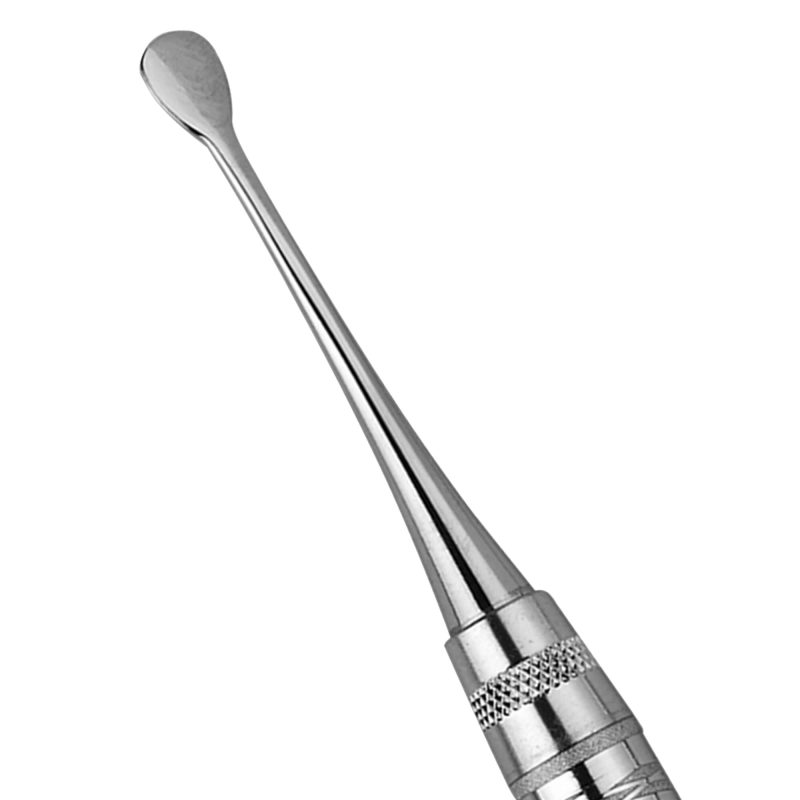
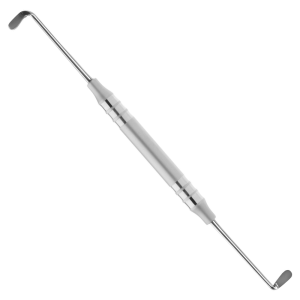
📸 Image 1: Hydraulic sinus lift instrument kit
Alt text: used in dental implant surgery
📸 Image 2: Diagram showing hydraulic sinus lift technique
Alt text: used for elevating sinus membrane safely
📸 Image 3: Clinical application during crestal sinus lift
Alt text: used for crestal sinus elevation
Why Are they Gaining Popularity
Today, clinicians prioritize minimally invasive and patient-centered implant solutions. Therefore, hydraulic sinus lift instruments align perfectly with modern surgical expectations. In addition, their ability to protect the sinus membrane while enhancing predictability makes them an essential part of advanced implant dentistry.
Conclusion
It provide a safe, controlled, and efficient solution for sinus elevation procedures. By actively reducing membrane perforation risks and improving surgical precision, these instruments help clinicians achieve higher implant success rates.
For dental professionals seeking reliable outcomes with fewer complications, these instruments represent a valuable and forward-thinking investment.