
Choosing the Best Guided Surgery Instruments for Complex Implant Cases
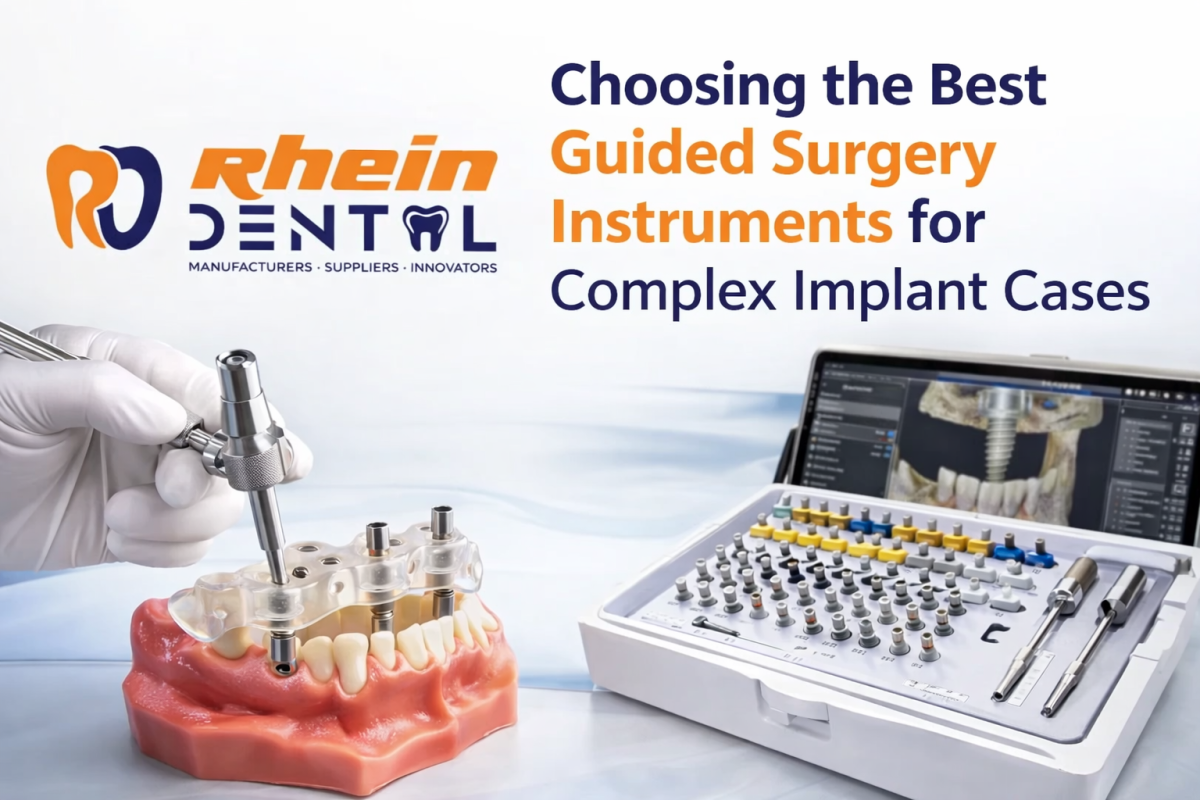
Dental implantology has transformed over the years, offering patients more predictable outcomes and shorter recovery times. One of the most significant advancements in this field is guided implant surgery, which combines 3D imaging, virtual planning, and precision instruments to streamline complex procedures. However, the success of these surgeries heavily relies on selecting the right instruments. In complex implant cases—such as cases involving limited bone volume, proximity to vital structures, or full-arch restorations—choosing the best guided surgery instruments can make all the difference.
Understanding Guided Surgery Instruments
Guided surgery instruments are tools specifically designed to work with surgical guides—custom templates that translate your digital treatment plan directly into the patient’s mouth. They include:
- Drill sleeves and guides: Ensure precise angulation and depth control.
- Surgical kits: Contain sequential drills, taps, and drivers compatible with guided systems.
- Implant drivers and torque wrenches: Facilitate accurate implant placement with minimal deviation.
The goal is simple: accuracy, safety, and efficiency.
Factors to Consider When Choosing Instruments
Selecting instruments for complex implant cases requires careful evaluation of several key factors:
1. Compatibility with the Surgical Guide System
Not all instruments are universally compatible. Some guided systems require proprietary drill sleeves, guides, or instruments. Ensure your instruments match your system to prevent errors or intraoperative adjustments.
2. Precision and Stability
In challenging cases—such as narrow ridges, angled implant sites, or sinus proximity—precision is non-negotiable. Look for instruments that provide:
- Tight-fitting drill sleeves to minimize lateral movement
- Depth stops for accurate drilling
- Ergonomic designs to enhance control and reduce fatigue
3. Versatility and Range
Complex cases often demand flexibility. Instruments should allow for:
- Variable drill diameters and lengths
- Compatibility with different implant sizes
- Angled or offset guides for difficult-to-reach areas
4. Material and Durability
Surgical instruments must withstand repeated sterilization and resist wear. Stainless steel or titanium instruments with high-grade coatings are preferable for long-term reliability.
5. Ease of Use and Ergonomics
Long surgeries can be physically demanding. Lightweight, ergonomic instruments reduce hand strain and improve accuracy, particularly when performing multi-implant or full-arch cases.
6. Manufacturer Support and Training
Complex guided surgeries benefit from manufacturers that provide:
- Step-by-step protocols
- Training videos or workshops
- Technical support for troubleshooting
This ensures that both novice and experienced surgeons can confidently execute challenging cases.
Recommended Instruments for Complex Cases
While the choice often depends on the guided system you use, here are some categories commonly favored in complex implant cases:
- Sequential guided drills: Minimize deviations in angulation and depth.
- Pilot drills with depth control: Essential for narrow or compromised ridges.
- Angulated and modular drivers: Allow precise placement in posterior or difficult-to-access sites.
- Depth-controlled taps: Improve primary stability in dense bone without over-preparing the site.
Conclusion
Complex implant cases demand a higher level of precision, planning, and execution. By carefully choosing guided surgery instruments that prioritize accuracy, compatibility, and ergonomics, dental surgeons can ensure safer procedures, predictable outcomes, and better patient satisfaction.
Investing in high-quality guided surgery instruments isn’t just about tools—it’s about giving every implant case the precision and care it deserves.