
In orthodontics and dental procedures, not all wires behave the same—and neither should the tools used to handle them. Choosing between hard wire pliers and soft wire pliers isn’t just a matter of preference; it directly affects precision, efficiency, and instrument longevity (Hard vs Soft Wire Pliers).
Understanding the difference between these material-specific tools is essential for clinicians who routinely work with stainless steel and nickel-titanium (NiTi) wires.
Why Wire Material Matters
Orthodontic wires vary significantly in their physical properties:
Stainless Steel Wires
- High strength and rigidity
- Low flexibility
- Excellent formability
- Ideal for finishing and detailing stages
Nickel-Titanium (NiTi) Wires
- Superelastic and flexible
- Shape memory properties
- Lower stiffness compared to steel
- Commonly used in initial alignment phases
Because of these differences, using the wrong pliers can lead to:
- Damaged instruments
- Deformed wires
- Reduced clinical efficiency
What Are Hard Wire Pliers?
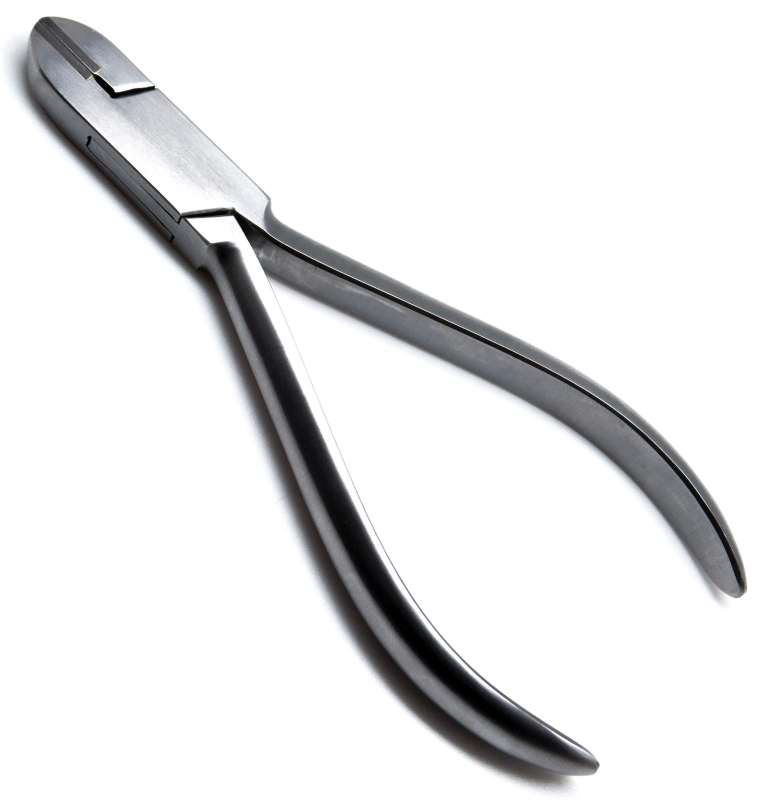
Hard wire pliers are specifically engineered to cut and manipulate rigid materials like stainless steel wires.
Key Features
- Reinforced cutting edges
- Tungsten carbide inserts for durability
- High مقاومت (resistance) to wear and deformation
- Strong joint construction
Best Uses
Advantages
- Long-lasting sharpness
- Clean, precise cuts
- Reduced risk of tip damage
What Are Soft Wire Pliers?
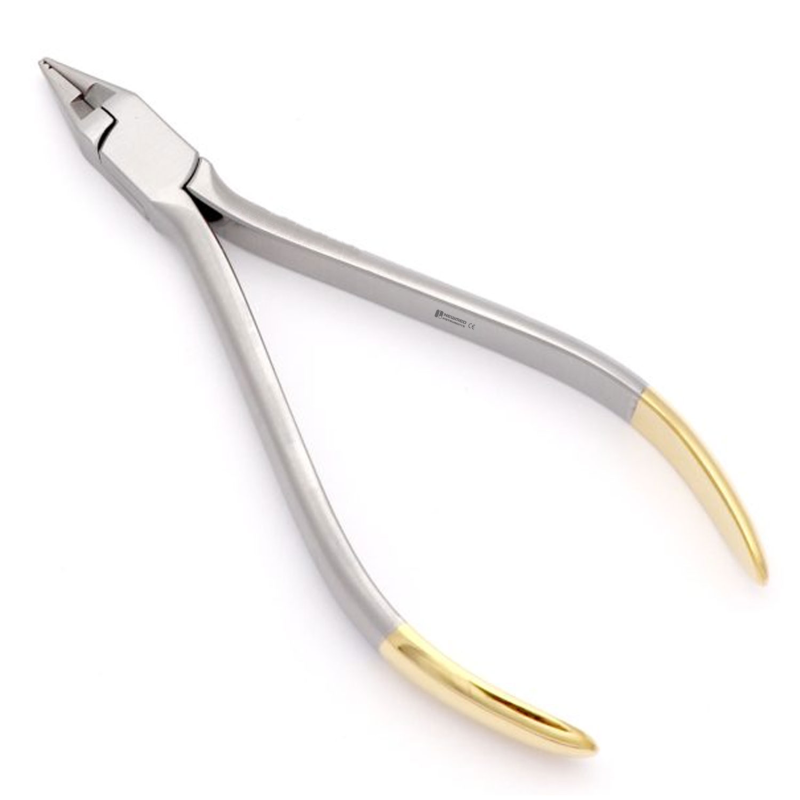
Soft wire pliers are designed for more flexible materials like NiTi wires and light ligatures.
Key Features
- Finer, more delicate tips
- Less aggressive cutting edges
- Enhanced control for small adjustments
- Lightweight design
Best Uses
- Cutting NiTi wires
- Handling ligature wires
- Fine adjustments in early treatment stages
Advantages
- Better control for delicate work
- Reduced risk of wire distortion
- Ideal for precision handling
Hard vs. Soft Wire Pliers: Key Differences
| Feature | Hard Wire Pliers | Soft Wire Pliers |
|---|---|---|
| Target Material | Stainless steel | NiTi, ligatures |
| Cutting Strength | Very high | Moderate |
| Tip Design | Robust, reinforced | Fine, delicate |
| Durability | Extremely high | Moderate |
| Precision Work | Moderate | High |
Why You Shouldn’t Mix Them Up
Using soft wire pliers on stainless steel wires can:
- Damage the cutting edges
- Reduce instrument lifespan
- Lead to incomplete or rough cuts
On the other hand, using hard wire pliers on NiTi wires can:
- Crush or deform the wire
- Compromise its superelastic properties
- Reduce treatment effectiveness
Matching the tool to the material ensures:
- Better clinical outcomes
- Longer instrument life
- Improved workflow efficiency
Clinical Workflow Optimization
A well-equipped dental setup should include both types of pliers to handle different stages of treatment:
Early Stage (Alignment)
- Use soft wire pliers for NiTi wires
- Focus on flexibility and gentle handling
Intermediate to Final Stage
- Use hard wire pliers for stainless steel
- Perform precise bends and strong cuts
This material-specific approach minimizes errors and enhances overall treatment quality.
Choosing the Right Pliers
When selecting wire pliers, consider:
- Material Quality: Surgical-grade stainless steel
- Cutting Edge: Tungsten carbide for hard wire pliers
- Ergonomics: Comfortable grip for long procedures
- Precision: Tip alignment and finishing
Investing in high-quality instruments ensures consistent performance and reliability.
Maintenance Tips
To extend the life of your pliers:
- Use each plier only for its intended material
- Clean and sterilize after every use
- Avoid cutting wires beyond the recommended capacity
- Regularly inspect cutting edges
Proper maintenance prevents costly replacements and maintains cutting efficiency.
Final Thoughts
Hard and soft wire pliers are not interchangeable—they are specialized tools designed for specific materials. Understanding when and how to use each ensures precision, protects your instruments, and improves clinical outcomes.
For dental professionals aiming to deliver efficient and high-quality care, investing in the right wire pliers for stainless steel and NiTi wires is a practical necessity, not an option.