
In dental laboratories and clinical settings, mixing materials is a daily task—but it’s also one where small tool choices can make a big difference. Whether you’re preparing impression materials, cements, or temporary restorative compounds, the type of lab spatula or mixing instrument you use directly affects consistency, contamination risk, and final material performance (Dental lab spatulas stainless steel vs Plastic).
The most common debate? Stainless steel vs. plastic spatulas. Each has its place, and choosing correctly helps ensure accuracy and reliability in dental outcomes.
Why Mixing Instruments Matter in Dentistry
Dental materials are often chemically sensitive and technique-dependent. Improper mixing tools can lead to:
- Incorrect setting times
- Contaminated materials
- Poor texture or consistency
- Reduced bond strength or durability
That’s why selecting the right spatula isn’t just a preference—it’s part of clinical precision (Dental lab spatulas stainless steel vs Plastic).
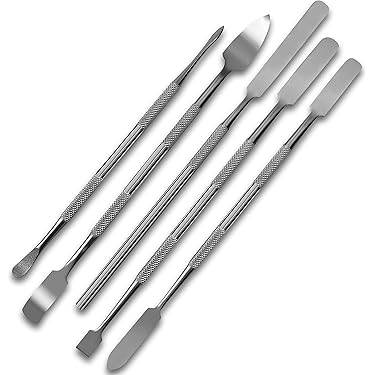
Stainless Steel Lab Spatulas
Stainless steel spatulas are a staple in both clinical and laboratory environments due to their strength and reusability.
Key Features
- High durability and long service life
- Resistant to bending or breaking
- Easy to sterilize and autoclave
- Smooth surface for consistent mixing
Best Used For
- Dental cements (e.g., glass ionomer, luting agents)
- Acrylics and stronger restorative materials
- Repeated laboratory use
Advantages
- Excellent control during mixing
- Does not absorb chemicals or moisture
- Maintains shape over time
Limitations
- Can react with certain chemically sensitive materials if not properly coated
- Slight risk of contamination if not cleaned thoroughly
- Heavier than plastic alternatives
Plastic Lab Spatulas
Plastic spatulas are designed for single-use or limited-use applications, especially where chemical purity is critical.
Key Features
- Lightweight and flexible
- Chemically inert (non-reactive)
- Often disposable or low-cost
- Smooth mixing surface for delicate materials
Best Used For
- Impression materials (alginate, silicone)
- Resin-based materials
- Situations requiring contamination control
Advantages
- Eliminates cross-contamination risk
- Ideal for sensitive materials
- Cost-effective for disposable workflows
Limitations
- Less durable than metal
- Can deform under pressure
- Not suitable for heavy or repeated mixing tasks
Stainless Steel vs. Plastic: Key Comparison
| Feature | Stainless Steel Spatulas | Plastic Spatulas |
|---|---|---|
| Durability | High | Low to moderate |
| Reusability | Long-term | Often disposable |
| Chemical Resistance | High | Very high |
| Precision Mixing | Excellent | Moderate |
| Contamination Risk | Low (if sterilized) | Very low |
| Best Use | Cements, lab work | Impression materials, resins |
Material Compatibility in Dental Practice
Different dental materials behave differently during mixing:
Impression Materials
Materials like alginate and silicone require clean, non-reactive surfaces to maintain setting accuracy.
Plastic spatulas are preferred here to avoid contamination.
Dental Cements
Cements require firm, controlled mixing pressure for uniform consistency.
Stainless steel spatulas are more effective.
Resin Materials
Resins are sensitive to contamination and heat.
Plastic spatulas are often preferred for precise handling.
Avoiding Cross-Contamination
One of the biggest concerns in dental material mixing is contamination between materials or batches.
To reduce risk:
- Use dedicated spatulas for specific materials
- Avoid switching between chemical types without sterilization
- Prefer disposable tools for sensitive impressions
Even microscopic residue can affect polymerization or bonding strength.
Clinical Efficiency and Workflow
A well-organized dental setup often uses both types of spatulas:
- Plastic spatulas for fast, disposable, contamination-free mixing
- Stainless steel spatulas for precision, durability, and repeated use
This hybrid approach improves workflow efficiency while maintaining material integrity.
Choosing the Right Mixing Instrument
When selecting lab spatulas, consider:
- Type of material being mixed
- Frequency of use
- Sterilization requirements
- Risk of chemical interaction
- Clinical vs. laboratory setting
There is no “one-size-fits-all” solution—only material-specific choices.
Maintenance and Best Practices
For Stainless Steel Spatulas:
- Sterilize after every use
- Avoid harsh abrasives that scratch the surface
- Store properly to prevent bending or damage
For Plastic Spatulas:
- Use single-use when possible
- Dispose of after reactive material use
- Avoid reusing with different chemical systems
Final Thoughts
The choice between stainless steel and plastic lab spatulas comes down to material compatibility, hygiene, and precision needs. Stainless steel offers durability and control, while plastic ensures contamination-free handling for sensitive materials.
In modern dental practice, both play essential roles. Understanding when to use each helps clinicians and technicians achieve consistent, high-quality results while maintaining workflow efficiency.