
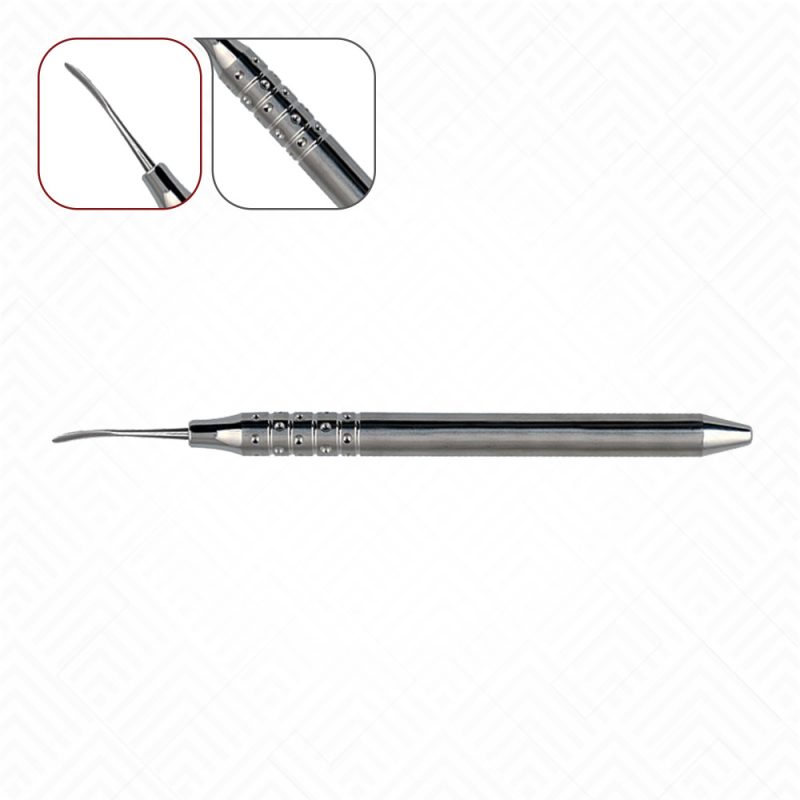
In restorative dentistry, achieving a perfectly sealed margin is one of the most critical steps for long-term clinical success. Even the most advanced restorative materials can fail if marginal adaptation is poor. This is where burnishers play a vital role—helping clinicians refine, adapt, and smooth restoration margins for optimal sealing and aesthetics (Burnishers for margin adaptation) .
Among the various designs available, ball burnishers and beaver tail burnishers are two of the most commonly used instruments. While both serve the same fundamental purpose, their shape and application differ significantly depending on the type of restoration and clinical requirement.
Understanding Margin Adaptation in Restorations
Margin adaptation refers to the precise sealing of restorative material against the tooth structure at the cavosurface margin. Poor adaptation can lead to:
- Microleakage
- Secondary caries
- Post-operative sensitivity
- Reduced longevity of restoration
Burnishers help eliminate these risks by allowing clinicians to gently contour and adapt materials like amalgam or composite during placement.
What Are Dental Burnishers?
Burnishers are hand instruments used in restorative dentistry to smooth, shape, and polish restorative materials. They are especially useful in:
- Amalgam restorations
- Composite contouring (light finishing stages)
- Margin refinement
- Occlusal anatomy adjustments
Their effectiveness depends heavily on their working end design.
Ball Burnishers: Precision in Gentle Contouring
Ball burnishers feature a smooth, spherical working end. This simple yet highly effective design makes them ideal for controlled, uniform pressure application.
Key Features of Ball Burnishers:
- Rounded tip for smooth adaptation
- Even pressure distribution
- Ideal for initial contouring
- Minimizes risk of gouging or scratching
Best Applications:
- Adapting amalgam margins
- Smoothing proximal surfaces
- Refining occlusal anatomy
- Light contouring in early setting stages
Advantages:
Ball burnishers are excellent when a gentle, broad contact is required. They help push restorative material into place without creating sharp distortions or irregularities.
Beaver Tail Burnishers: Precision in Detailed Finishing
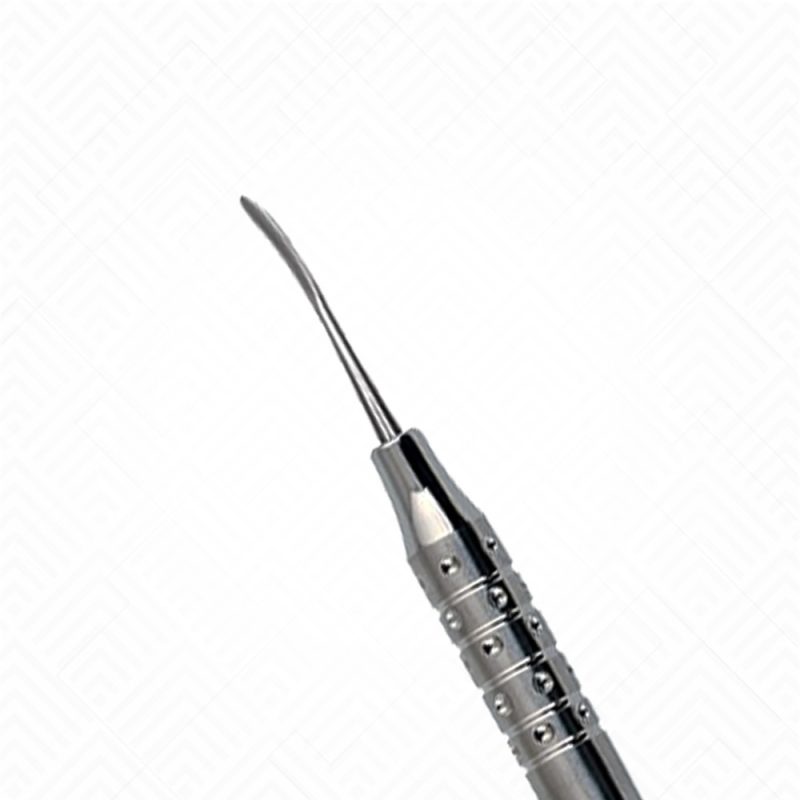
Beaver tail burnishers have a flat, wide, and slightly tapered working end resembling a beaver’s tail. This design allows for more directional control and surface refinement.
Key Features of Beaver Tail Burnishers:
- Flat, elongated working surface
- Greater directional control
- Ideal for edge definition
- Excellent for finishing stages
Best Applications:
- Defining margins in posterior restorations
- Refining interproximal areas
- Final contouring of amalgam surfaces
- Enhancing marginal seal precision
Advantages:
Beaver tail burnishers excel in detailed work where precision and control are needed. Their flat surface allows technicians and dentists to shape margins more deliberately.
Ball vs. Beaver Tail: Key Differences
| Feature | Ball Burnisher | Beaver Tail Burnisher |
|---|---|---|
| Shape | Spherical | Flat and tapered |
| Pressure type | Uniform | Directional |
| Best stage | Early adaptation | Final finishing |
| Control level | Moderate | High precision |
| Primary use | General contouring | Margin detailing |
Choosing the Right Burnisher for Restorations
Selecting between ball and beaver tail burnishers depends on:
1. Type of Restoration Material
- Amalgam: Both are used in different stages
- Composite: Mostly finishing with beaver tail
2. Stage of Procedure
- Initial placement → Ball burnisher
- Final refinement → Beaver tail burnisher
3. Location of Cavity
- Broad occlusal areas → Ball burnisher
- Tight interproximal margins → Beaver tail burnisher
Clinical Importance of Proper Burnishing
Effective burnishing improves:
- Marginal seal integrity
- Restoration longevity
- Surface smoothness
- Patient comfort
- Resistance to plaque accumulation
Even minor improvements in margin adaptation can significantly impact long-term restorative success.
Final Thoughts
Both ball and beaver tail burnishers are essential tools in restorative dentistry, each serving a distinct purpose in the margin adaptation process. While ball burnishers provide smooth, broad adaptation during early stages, beaver tail burnishers deliver precision and refinement at the finishing stage.
A skilled clinician understands when to transition between the two, ensuring restorations that are not only functional but also durable and biologically compatible.
Mastering these instruments ultimately leads to better clinical outcomes and higher patient satisfaction.