Instruments for Pediatric Composite Restorations – Essential Pediatric Restorative Tools
Pediatric dentistry is as much about precision as it is about patience. When working with children, every step of restorative treatment must be efficient, comfortable, and minimally invasive. Composite restorations are widely preferred in pediatric dentistry because of their aesthetics, durability, and conservative tooth preparation requirements. But to achieve optimal outcomes, the right set of instruments is critical.
In this blog, we’ll explore the essential instruments for pediatric composite restorations and how each tool plays a role in delivering successful, child-friendly treatment.
1. Diagnostic Instruments
Before beginning any restoration, accurate diagnosis and assessment are crucial.
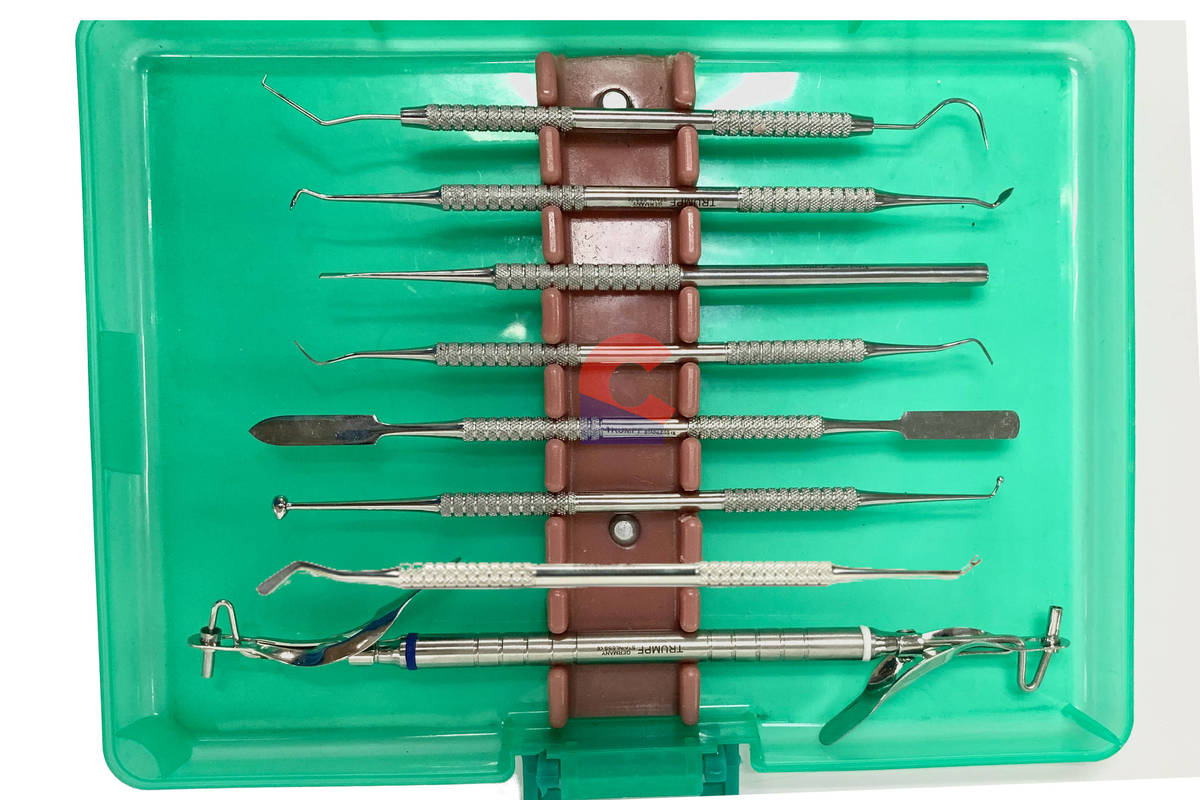
- Mouth mirror – Helps in indirect vision, retraction, and light reflection.
- Explorer/Probe – Detects caries, checks margins, and assesses cavity preparation.
- Cotton forceps – Used to place and remove cotton rolls or pellets during moisture control.
2. Cavity Preparation Instruments
Creating a conservative yet effective cavity form in primary teeth requires precision:
- High-speed handpiece with burs – For enamel cutting, caries removal, and cavity shaping.
- Slow-speed handpiece with round burs – Useful for removing soft dentin near the pulp.
- Spoon excavator – For careful removal of carious dentin without unnecessary loss of tooth structure.
3. Isolation Instruments
Moisture control is especially challenging in pediatric patients, but it’s essential for composite success.
- Rubber dam with pediatric clamps – Provides isolation, improves visibility, and prevents contamination.
- Cotton rolls & saliva ejectors – Helpful alternatives when a rubber dam is not feasible.
- Wedge applicators and wooden wedges – Ensure tight contacts and prevent overhangs.
4. Matrix Systems for Primary Teeth
Primary teeth have unique morphology, making it necessary to use pediatric-specific systems:
- Sectional matrix systems – Adapt well to proximal walls and improve contact formation.
- T-bands and Tofflemire matrix bands – Modified designs available for pediatric teeth.
- Mylar strips – Especially useful for anterior composite restorations to shape proximal and labial surfaces.
5. Composite Placement and Shaping Instruments
Delivering composite in small, delicate cavities requires finesse:
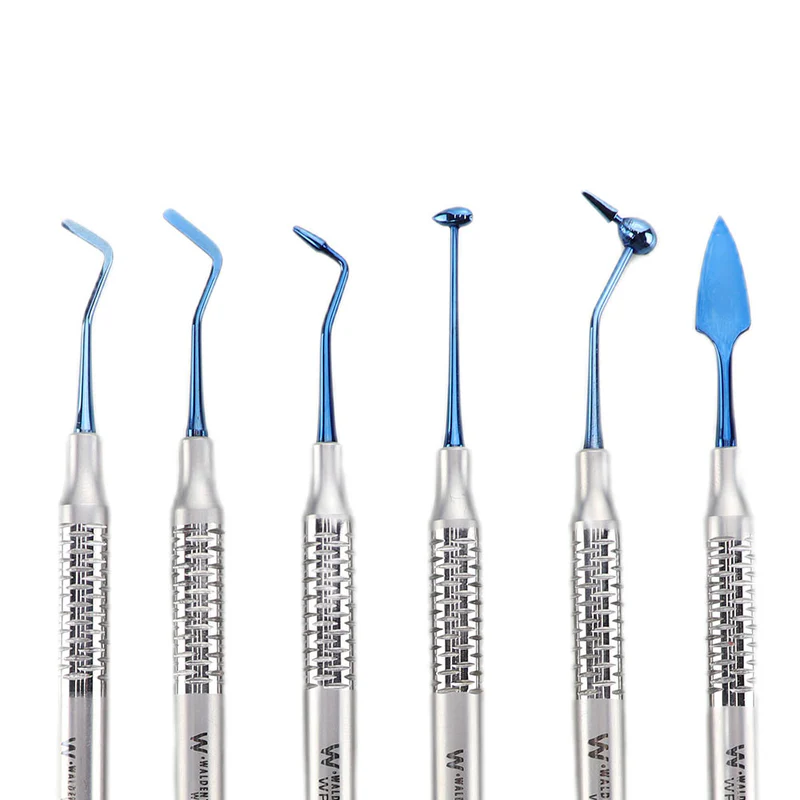
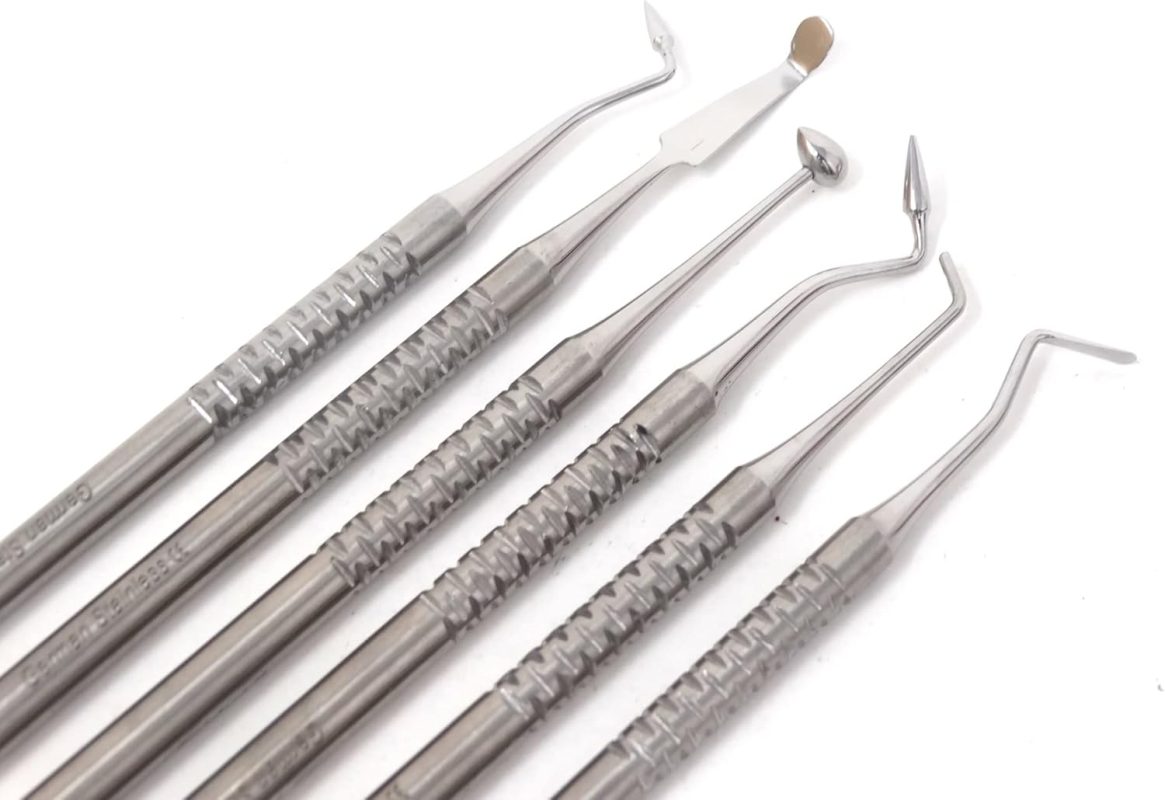
- Composite placement instruments (plastic filling instruments) – Non-stick, smooth instruments to carry and pack composite.
- Condensers – For gentle adaptation of material into cavity walls.
- Composite brushes and spatulas – Help in spreading, contouring, and smoothing composite layers.
6. Light-Curing Units
Polymerization is key to the success of composite restorations.
- LED curing light – Compact, efficient, and less intimidating for children compared to older halogen models.
- Protective eye shields – Essential to safeguard both dentist and child during curing.
7. Finishing and Polishing Instruments
Smooth, well-contoured restorations not only look natural but also prevent plaque accumulation.
- Finishing burs and diamond points – For refining margins and adjusting occlusion.
- Polishing discs and strips – To achieve smooth interproximal surfaces.
- Rubber cups and polishing pastes – For final luster and enamel-like gloss.
8. Auxiliary Pediatric-Friendly Tools
- Topical anesthetic applicators – To reduce discomfort before injections.
- Small-handled instruments – Designed for little mouths and improved operator control.
- Behavior management aids – Like flavored prophy pastes, brightly colored tools, and distraction devices that make the experience child-friendly.
Final Thoughts
Performing composite restorations in pediatric dentistry is not just about technical skill—it’s about choosing the right instruments that fit the needs of small teeth and big personalities. With the right diagnostic, preparation, isolation, restorative, and finishing tools, pediatric dentists can deliver restorations that are durable, aesthetic, and comfortable for young patients.
The right toolkit not only enhances treatment efficiency but also builds a child’s trust and positive dental experience—an investment that lasts a lifetime.