
Do Pediatric Instruments Need Special Sterilization? – Pediatric Tool Sterilization Explained
When it comes to pediatric care, every detail matters — from the size of the instruments to the way they’re handled, cleaned, and sterilized. Children’s bodies are more vulnerable to infections than adults, which means the Pediatric instrument sterilization is not just important, it’s critical.
But does that mean Pediatric instrument sterilization require special sterilization procedures? Let’s explore what makes pediatric instrument sterilization unique and why meticulous care is essential.
1. Why Pediatric Instruments Need Special Attention
Pediatric medical instruments are specifically designed for infants and children. They’re often smaller, more delicate, and made of specialized materials to ensure safety and comfort during procedures.
However, these same characteristics also make them more sensitive to heat, pressure, and harsh chemicals commonly used in sterilization. A standard sterilization cycle suitable for adult instruments might damage pediatric ones or render them ineffective.
2. The Risk of Improper Sterilization
Children’s immune systems are still developing, which makes them more susceptible to infections caused by contaminated tools. Improperly sterilized instruments can lead to:
- Cross-contamination between patients
- Healthcare-associated infections (HAIs)
- Inflammation or allergic reactions due to residual chemicals
- Compromised clinical outcomes
For this reason, healthcare facilities must follow stringent pediatric sterilization guidelines to ensure every instrument is safe and sterile before use.
3. Special Considerations in Pediatric Sterilization
a. Material Sensitivity
Many pediatric devices contain plastic, silicone, or fine metal components that can warp or degrade under high temperatures. In such cases, low-temperature sterilization methods, like hydrogen peroxide plasma or ethylene oxide (EtO) gas, are preferred.
b. Smaller Instrument Design
The tiny lumens, hinges, and joints in pediatric tools can trap organic debris. Pre-cleaning, ultrasonic cleaning, and using appropriate brushes or detergents are essential before sterilization.
c. Reduced Exposure to Chemicals
Since residues can be harmful to children, chemical disinfectants and sterilants must be thoroughly rinsed and neutralized. Non-toxic, biocompatible cleaning agents are often recommended.

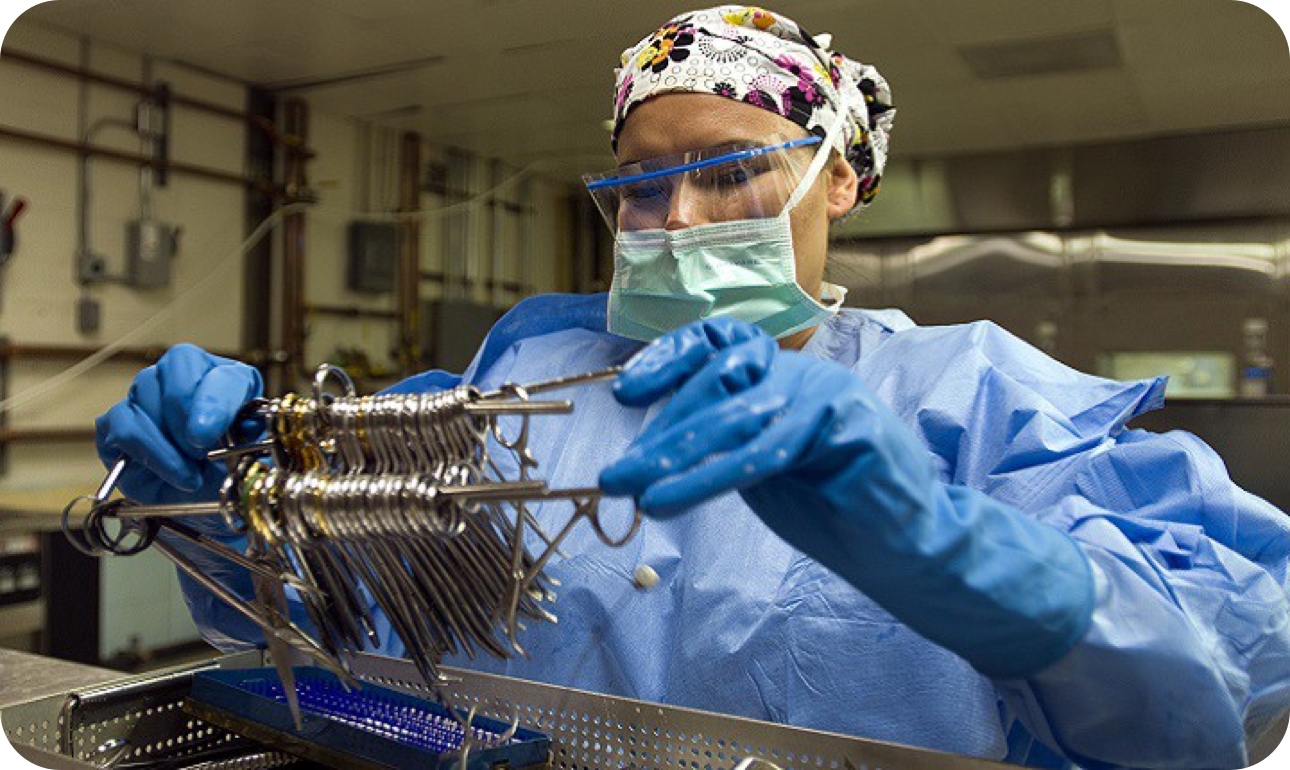

4. Recommended Sterilization Methods for Pediatric Instruments
- Steam Sterilization (Autoclaving) – Ideal for heat-resistant instruments such as stainless steel tools.
- Low-Temperature Hydrogen Peroxide Plasma Sterilization – Used for heat-sensitive devices and flexible endoscopes.
- Ethylene Oxide (EtO) Sterilization – Effective for delicate instruments but requires long aeration to remove toxic residues.
- Peracetic Acid Sterilization – Often used for immersible devices where quick turnaround is needed.
The choice depends on the instrument material, manufacturer’s recommendations, and infection control policies.
5. Best Practices for Pediatric Sterilization
- Always follow manufacturer’s guidelines for cleaning and sterilization.
- Conduct visual inspections after each cycle for damage or residue.
- Maintain detailed sterilization logs for traceability.
- Train staff on pediatric-specific sterilization protocols.
- Use sterility indicators and biological tests regularly to verify sterilization effectiveness.
6. Conclusion
Pediatric instruments undeniably require special sterilization considerations. While the fundamental goal—eliminating all microbial life—remains the same, the methods must be adapted to protect the delicate materials and ensure patient safety.
Hospitals and clinics that care for children should always prioritize precision, care, and compliance with pediatric sterilization standards. After all, when it comes to pediatric care, even the smallest tools play a big role in protecting young patients.