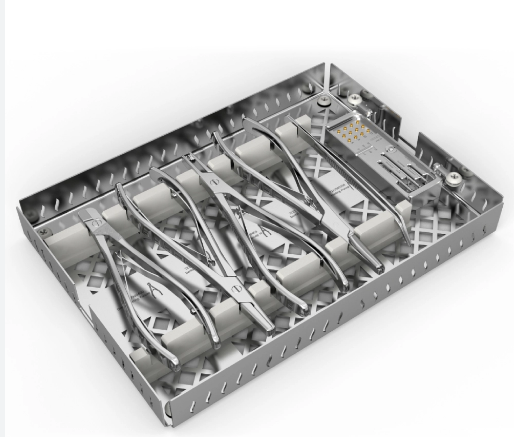
Crestal vs. Lateral Sinus Lift Tools: What’s the Difference?
Sinus lift procedures are a cornerstone of implant dentistry when treating the posterior maxilla with limited bone height. Among the most commonly used techniques are the crestal (internal) sinus lift and the lateral (external) sinus lift. While both aim to elevate the Schneiderian membrane and create space for bone grafting, the tools required for each approach differ significantly.
Understanding these differences helps clinicians choose the right instruments, minimize complications, and achieve predictable implant outcomes.
Understanding Sinus Lift Techniques
What Is a Sinus Lift?
A sinus lift is a surgical procedure that increases bone height in the posterior maxilla by elevating the sinus membrane and placing bone graft material beneath it. This allows for stable dental implant placement in areas with insufficient bone volume.
Crestal Sinus Lift: Tools and Technique
The crestal sinus lift is a minimally invasive approach performed through the implant osteotomy site. It is typically indicated when moderate bone height (5–8 mm) is available.
Key Crestal Sinus Lift Tools
1. Osteotomes
Graduated osteotomes are the primary instruments used to gently fracture the sinus floor and elevate the membrane.
Benefits:
- Bone condensation
- Controlled membrane elevation
- Improved implant primary stability
2. Depth-Controlled Drills
These drills help prepare the osteotomy while maintaining a safe distance from the sinus membrane.
Why they matter:
- Enhanced safety
- Reduced perforation risk
- Precise depth management
3. Hydraulic Sinus Lift Instruments
Hydraulic systems use saline pressure to elevate the membrane evenly.
Advantages:
- Atraumatic membrane elevation
- Ideal for thin membranes
- Increased predictability
Best For:
- Minimal to moderate bone loss
- Simultaneous implant placement
- Less invasive procedures
Lateral Sinus Lift: Tools and Technique
The lateral sinus lift is a more invasive but versatile approach, used when residual bone height is less than 4–5 mm. It involves creating a window in the lateral sinus wall to directly visualize and elevate the membrane.
Key Lateral Sinus Lift Tools
1. Lateral Window Burs
Diamond or carbide burs are used to outline and thin the lateral wall of the sinus.
Key features:
- Precise bone removal
- Reduced risk of membrane damage
2. Sinus Membrane Elevators
A variety of curved and angled elevators are used to gently separate the membrane from the bony walls.
Why they’re essential:
- Adapt to complex sinus anatomy
- Minimize membrane perforation
3. Piezoelectric Surgery Tips
Ultrasonic instruments selectively cut bone while preserving soft tissue.
Advantages:
- High precision
- Reduced bleeding
- Safer membrane handling
4. Bone Graft Carriers & Packers
Used to place and compact graft material beneath the elevated membrane.
Best For:
- Severe bone deficiency
- Complex sinus anatomy
- Staged implant placement
Key Differences Between Crestal and Lateral Sinus Lift Tools
| Feature | Crestal Sinus Lift Tools | Lateral Sinus Lift Tools |
|---|---|---|
| Invasiveness | Minimally invasive | More invasive |
| Visualization | Limited | Direct |
| Primary Instruments | Osteotomes, hydraulic tools | Burs, elevators, piezo tips |
| Bone Height Required | Moderate (5–8 mm) | Severe deficiency (<5 mm) |
| Implant Placement | Usually simultaneous | Often staged |
Choosing the Right Tools for Your Case
When deciding between crestal and lateral sinus lift tools, consider:
- Residual bone height
- Sinus anatomy (septa, membrane thickness)
- Need for simultaneous implant placement
- Surgeon experience and comfort level
Having both sets of tools available allows flexibility and better management of unexpected intraoperative findings.
Clinical Tips for Success
- Always assess CBCT scans before selecting the approach
- Use depth control and magnification whenever possible
- Elevate the membrane slowly and incrementally
- Keep membrane repair materials readily available
Final Thoughts
Crestal and lateral sinus lift procedures each have a valuable place in implant dentistry—but success depends heavily on using the right tools for the right indication. Crestal sinus lift tools favor minimally invasive, controlled elevation, while lateral sinus lift tools offer greater access and versatility for complex cases.
By understanding the differences between these instrument sets, clinicians can improve surgical precision, reduce complications, and deliver long-lasting implant success.