
Suction tips are essential for keeping the treatment area clear during dental and surgical procedures. But without proper control, suction can accidentally pull soft tissue into the tip, causing discomfort, trauma, or interrupted workflow. That’s where vent holes play a critical role.
What Are Suction Tip Vent Holes?
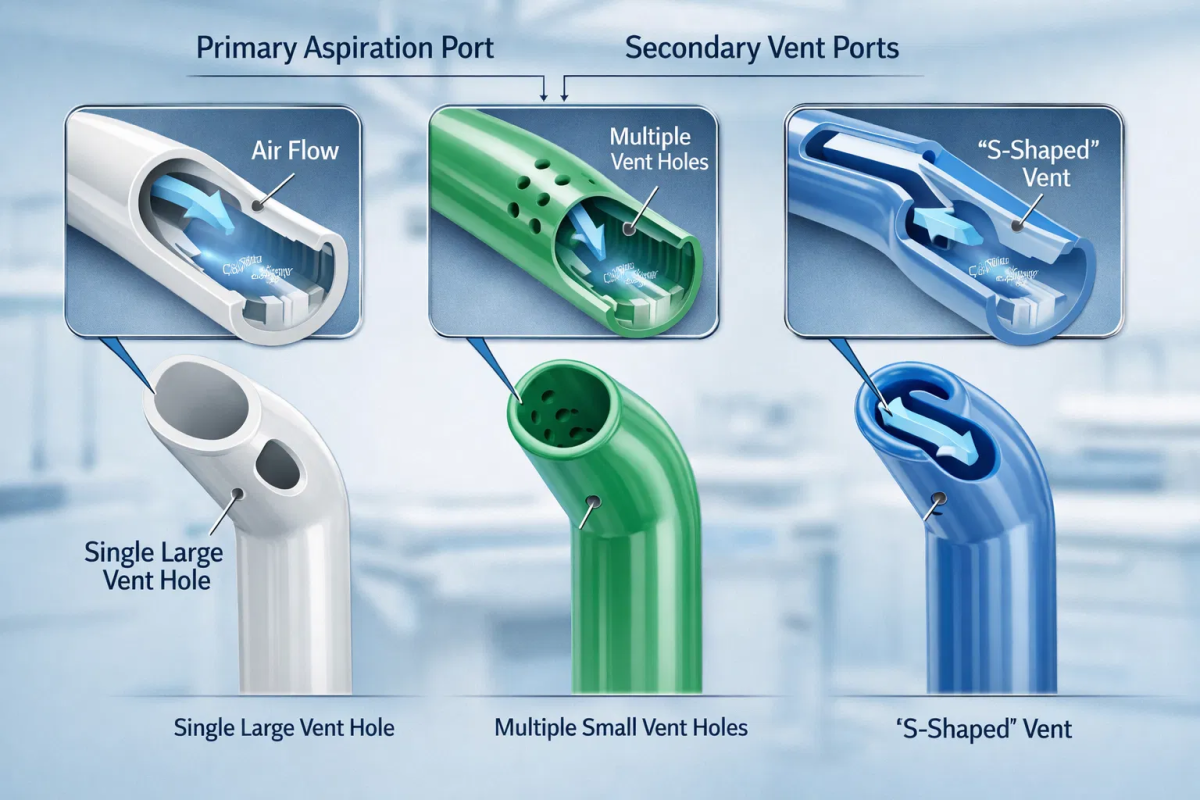
Vent holes are small openings built into the handle or shaft of certain suction tips, especially precision instruments like Frazier suction tips. These holes act as pressure relief ports, allowing the clinician to control the strength of suction instantly with a finger.
When the vent hole is covered, full suction is activated. When it is partially or fully uncovered, suction force decreases or stops. This simple mechanism gives the operator precise control during aspiration.
How Vent Holes Prevent Tissue Adhesion
1. Reduce Excessive Vacuum Pressure
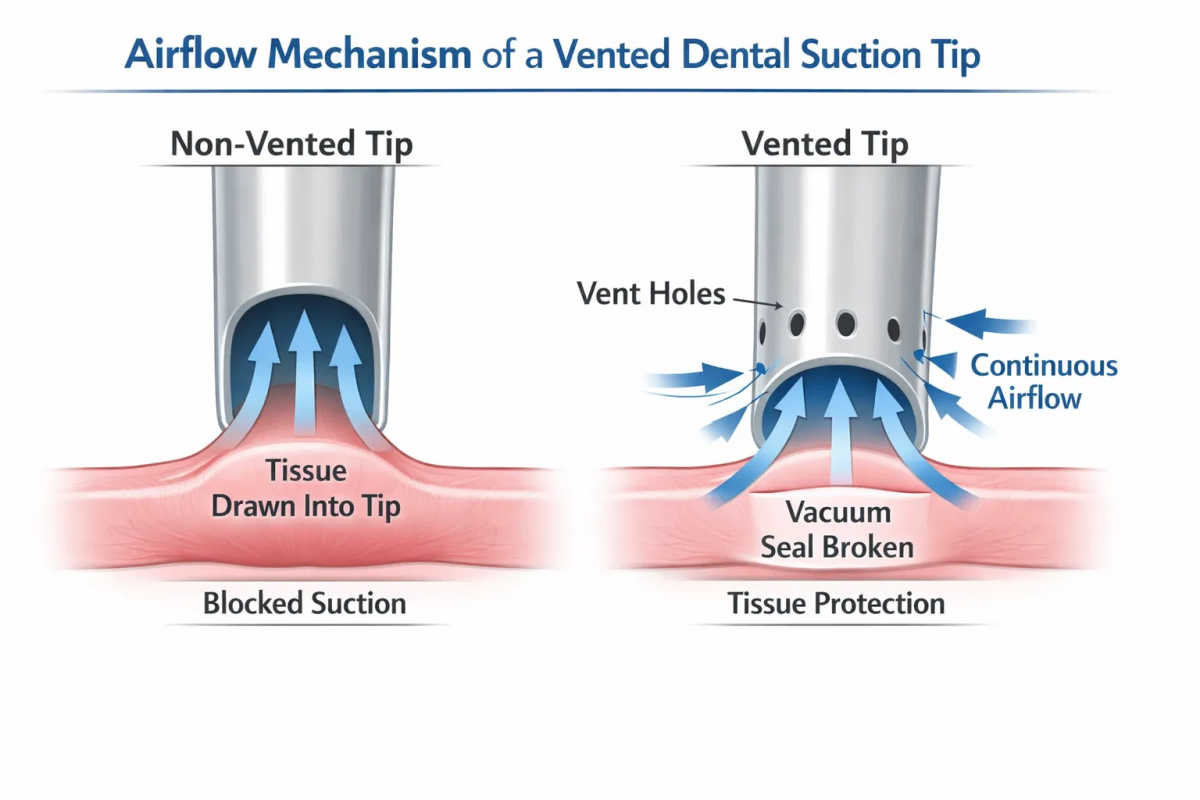
Continuous high suction can cause cheeks, tongue, gums, or delicate tissues to stick to the tip opening. Vent holes help reduce negative pressure by allowing outside air to enter the suction system.
This lowers the pull at the tip and helps prevent:
- Soft tissue grabbing
- Sudden mucosal injury
- Patient discomfort
2. Allow Instant Suction Adjustment
During procedures, fluid levels and access points can change quickly. Vent holes let clinicians adjust suction in real time without reaching for machine controls.
This helps with:
- Gentle aspiration near sensitive tissues
- Better control in tight spaces
- Safer handling during surgery
Frazier-style suction tips are especially valued for this thumb-controlled precision in delicate procedures.
3. Improve Patient Comfort
In dental settings, strong suction can feel uncomfortable if soft tissues get pulled into the tip. Vent holes help make aspiration smoother and less stressful for patients by minimizing sudden suction force.
Benefits include:
- Less soft tissue irritation
- Reduced gag reflex triggers
- More comfortable chairside experience
4. Maintain a Clear Working Field Safely
Vent holes allow steady fluid removal while reducing the risk of clogging or accidental tissue trauma. This balance helps maintain visibility without compromising safety.
That means:
- Cleaner operative field
- Fewer interruptions
- More efficient treatment
Why This Feature Matters in Dentistry
In dental practices, suction tips are often used close to:
- Gingival tissues
- Buccal mucosa
- Tongue surfaces
- Extraction sockets
A vented suction tip gives better control in these sensitive areas, helping clinicians work more confidently while protecting oral tissues.
Final Thoughts
Suction tip vent holes may seem like a small design feature, but they make a big difference in safety and comfort. By relieving excess vacuum pressure and allowing precise control, they help prevent tissue adhesion, reduce trauma, and improve overall aspiration efficiency.
For dental professionals, choosing suction tips with well-designed vent holes can lead to smoother procedures and better patient care.