Choosing the Right Probes for Kids – Pediatric Periodontal Probes
When it comes to pediatric dentistry, one golden rule always applies: children are not just small adults. Their oral health needs, anatomical considerations, and comfort levels differ greatly from those of grown patients. This is especially true in periodontal assessment, where using the right probe can make all the difference in diagnosis, patient comfort, and long-term outcomes.
In this blog, we’ll explore why pediatric periodontal probes matter, what makes them unique, and how to choose the right ones for your practice.
Why Pediatric Probes Are Important
Periodontal health is essential in childhood because the foundation for lifelong oral wellness is laid early. Detecting gingival inflammation, monitoring attachment levels, and identifying early periodontal changes require accuracy and gentleness.
Using adult-sized probes in children can lead to:
- Discomfort and anxiety, making cooperation difficult.
- Inaccurate readings, due to smaller sulcus depths and different gingival contours.
- Risk of tissue trauma, as the tips may be too wide or markings hard to interpret in small mouths.
That’s where pediatric periodontal probes step in.
Key Features of Pediatric Probes
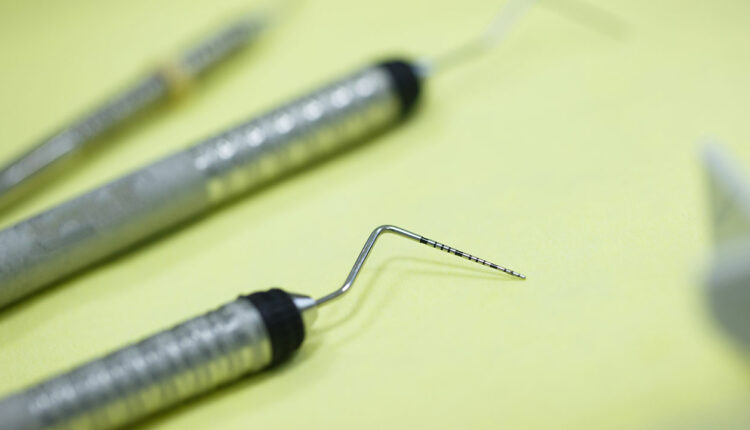
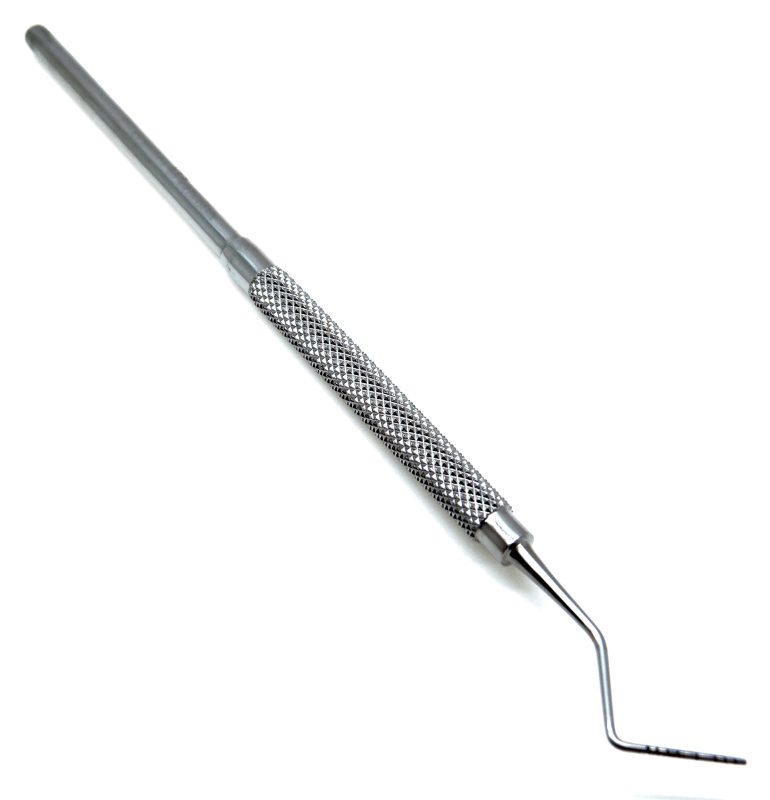
Pediatric probes are designed with children in mind, ensuring precision without sacrificing comfort. Here are some of the features that make them unique:
- Reduced diameter tips – Narrow tips adapt better to smaller sulci and interdental spaces.
- Shorter working lengths – Ideal for examining developing dentition and mixed arches.
- Clear, easy-to-read markings – Essential for early diagnosis and accurate monitoring.
- Rounded tips – Minimize the risk of injuring delicate gingival tissues.
- Ergonomic handles – Lightweight and comfortable for clinicians to maneuver in restricted oral spaces.
Choosing the Right Probe for Kids
When selecting pediatric periodontal probes, consider the following:
- Age Appropriateness
- Younger children may need finer, shorter probes compared to adolescents.
- For mixed dentition, flexibility in design is key.
- Marking Systems
- Look for color-coded or laser-etched markings that remain visible even after sterilization.
- Standard pediatric probes often feature 1 mm increments, ensuring precise readings.
- Material and Sterilization Compatibility
- Patient Comfort
- Rounded, smooth tips help reduce anxiety and pain.
- Smaller handles may also make the experience less intimidating for children.
Practical Tips for Clinicians
- Explain the process to the child in simple, reassuring language to ease fear.
- Use behavior management techniques, like “tell-show-do,” before probing.
- Document baseline periodontal measurements early and monitor changes as the child grows.
- Integrate probes with preventive care, such as plaque control instructions and early orthodontic evaluations.
Final Thoughts
Pediatric periodontal probes may seem like a small detail, but they play a big role in child-centered dental care. By choosing the right probe, you not only enhance diagnostic accuracy but also build trust with young patients by making their experience gentle and positive.
Investing in pediatric-specific instruments is an investment in healthier smiles that last a lifetime.