
Common Mistakes with Endodontic Equipment – Avoiding Endodontic Tool Errors
Endodontics is a highly precise field in dentistry, requiring careful attention to detail and the correct use of specialized equipment. Despite technological advancements, errors with endodontic tools are still common, affecting treatment outcomes, patient safety, and procedural efficiency. Understanding these mistakes can help dental professionals minimize risks and improve their practice.
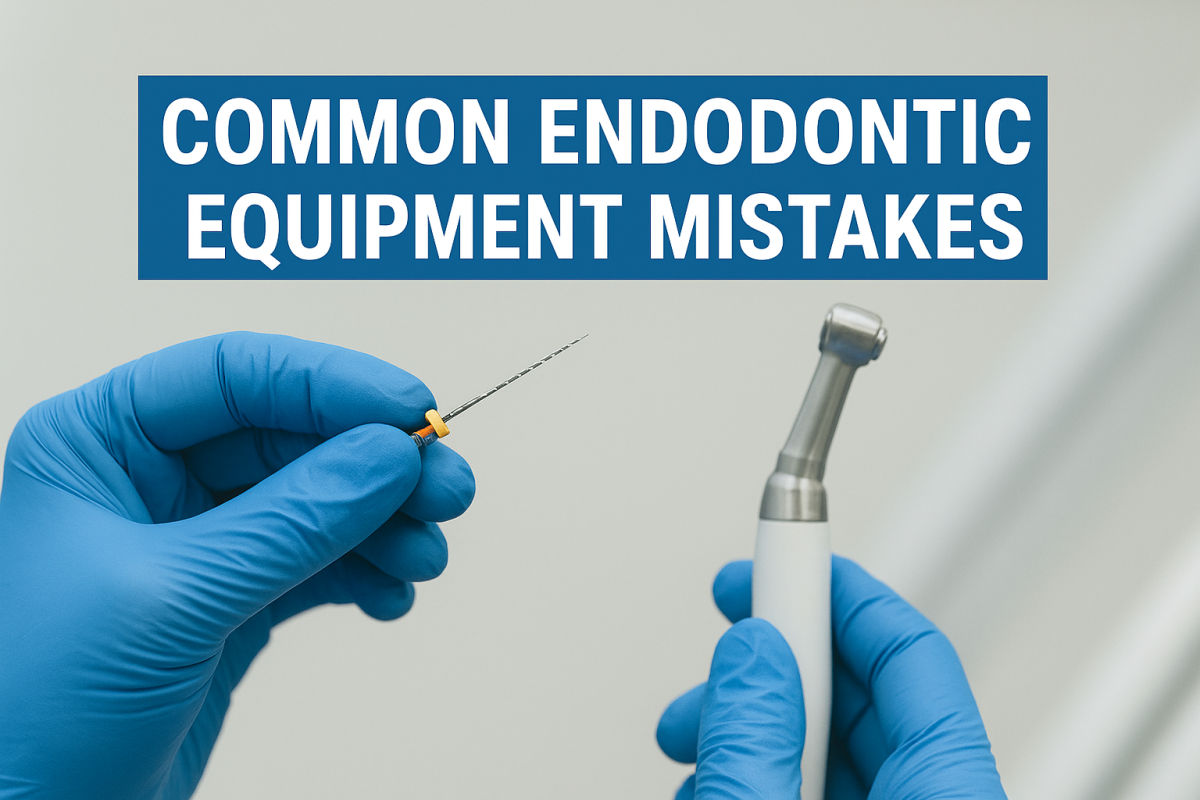
1. Using Worn or Damaged Files
One of the most frequent mistakes in endodontics is using worn or damaged files. Root canal files can bend, fracture, or lose their cutting efficiency after repeated use. Using compromised files can lead to:
- Incomplete cleaning of the root canal
- Instrument separation within the canal
- Increased patient discomfort
Tip: Always inspect files before use and follow manufacturer guidelines on usage limits. Consider using single-use files for added safety.
2. Incorrect Use of Rotary Instruments
Rotary endodontic instruments have revolutionized root canal procedures, but improper technique can cause significant issues, such as:
- Over-enlargement of the canal
- Instrument fracture due to excessive torque
- Transportation or ledging of the canal
Tip: Follow recommended speed and torque settings for each instrument and practice proper brushing or pecking motions. Training and periodic skill refreshers are essential.
3. Inadequate Irrigation
Endodontic success heavily depends on effective irrigation to remove debris and bacteria. Common mistakes include:
- Using insufficient irrigant volume
- Incorrect placement of the irrigation needle
- Rushing the irrigation process
Tip: Always use adequate irrigant volumes, place the needle correctly (without binding in the canal), and allow sufficient time for proper chemical action.
4. Improper Sterilization of Equipment
Contamination and cross-infection can occur if endodontic tools are not properly sterilized. Mistakes include:
- Skipping autoclave cycles
- Improper handling after sterilization
- Reusing single-use instruments
Tip: Adhere strictly to sterilization protocols and use color indicators to confirm proper sterilization.
5. Poor Access Cavity Preparation
Even with the best tools, improper access cavity preparation can make procedures difficult and increase the risk of instrument errors. Common issues include:
- Over- or under-preparation
- Misalignment with canal orifices
- Limited visibility of the canal system
Tip: Take time to plan the access cavity carefully. Magnification tools such as loupes or microscopes can significantly improve accuracy.
6. Inaccurate Measurement and Working Length Errors
Determining the correct working length is critical. Mistakes here can result in:
- Over-instrumentation causing periapical injury
- Under-instrumentation leaving infected tissue behind
Tip: Use apex locators in combination with radiographs for precise working length determination. Double-check measurements before starting canal preparation.
7. Ignoring Manufacturer Guidelines
Every endodontic instrument comes with specific usage instructions. Ignoring them can lead to:
- Premature file separation
- Tool deformation
- Inefficient cleaning
Tip: Always follow manufacturer recommendations for speed, torque, and sterilization.
Final Thoughts
Endodontic procedures are highly technique-sensitive, and even small errors with equipment can compromise treatment success. By being vigilant about tool condition, proper usage, sterilization, and correct working techniques, dental professionals can minimize risks and achieve better outcomes for their patients.
Remember, prevention is always better than correction when it comes to endodontic equipment errors.