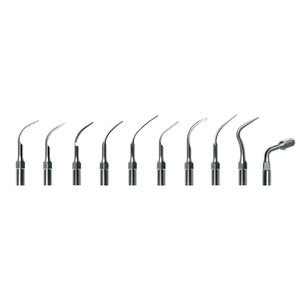
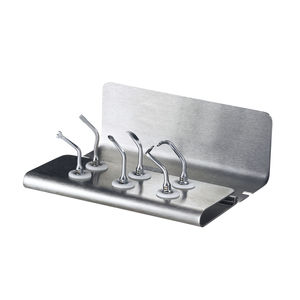
Piezoelectric Tools for Atraumatic Sinus Surgery
Sinus augmentation procedures demand precision, control, and maximum protection of delicate anatomical structures. In recent years, piezoelectric tools for atraumatic sinus surgery have revolutionized how clinicians approach sinus lift procedures. By using ultrasonic micro-vibrations instead of rotary force, these tools allow for safer bone cutting while preserving soft tissue integrity.
This blog explores how piezoelectric tools work, their clinical advantages, and why they are becoming essential in modern sinus surgery.
What Are Piezoelectric Tools?
Piezoelectric tools are advanced surgical devices that use ultrasonic vibrations to selectively cut mineralized tissue. Unlike traditional burs and saws, piezoelectric instruments act only on bone while leaving soft tissues—such as nerves, blood vessels, and the Schneiderian membrane—largely unaffected.
As a result, clinicians gain greater control during sinus surgery while minimizing trauma.
How Piezoelectric Tools Work in Sinus Surgery
Piezoelectric tools operate at specific ultrasonic frequencies that target hard tissue. When applied during sinus lift procedures, these micro-vibrations allow clinicians to create precise osteotomies without tearing the sinus membrane.
Moreover, the cavitation effect produced by ultrasonic vibrations improves visibility by reducing bleeding at the surgical site.
Advantages of Piezoelectric Tools for Atraumatic Sinus Surgery
1. Enhanced Soft Tissue Protection
Piezoelectric tools significantly reduce the risk of Schneiderian membrane perforation. Because the instruments selectively cut bone, they preserve adjacent soft tissues.
2. Greater Surgical Precision
These tools allow clinicians to perform micrometric bone cuts. Therefore, they achieve cleaner and more accurate osteotomies during sinus window preparation.
3. Reduced Surgical Trauma
Unlike rotary instruments, piezoelectric tools generate less heat and mechanical stress. Consequently, patients experience less postoperative swelling and discomfort.
4. Improved Healing Response
Minimized trauma leads to faster healing and better bone regeneration, which supports long-term implant stability.
Clinical Applications in Sinus Surgery
Clinicians commonly use piezoelectric tools for:
- Lateral window sinus lift procedures
- Crestal sinus elevation
- Bone harvesting and ridge splitting
- Procedures requiring close proximity to the sinus membrane
Furthermore, piezoelectric surgery proves especially beneficial in complex anatomical cases.
Piezoelectric Tools vs Conventional Instruments
Traditional rotary instruments cut both bone and soft tissue, increasing the risk of membrane tears. In contrast, piezoelectric tools for atraumatic sinus surgery offer selective cutting and superior control. As a result, clinicians achieve safer and more predictable outcomes.
Why These Instruments Are the Future of Sinus Surgery
Modern implant dentistry prioritizes minimally invasive techniques and patient safety. Therefore, piezoelectric tools align perfectly with current clinical demands. Additionally, their ability to reduce complications while enhancing precision makes them an indispensable asset in sinus surgery.
Conclusion
Piezoelectric tools for atraumatic sinus surgery provide clinicians with a safer, more controlled approach to sinus augmentation. By protecting the Schneiderian membrane and minimizing surgical trauma, these tools significantly improve patient outcomes and implant success rates.
For dental professionals seeking precision, safety, and predictability, piezoelectric technology represents a smart investment in advanced sinus surgery.