
Selecting the Right Sinus Curettes for Safe Elevation
Sinus elevation procedures are a cornerstone of modern implant dentistry, enabling clinicians to increase bone height in the posterior maxilla and place implants with confidence. While technique and clinical judgment are critical, the choice of instruments—particularly sinus curettes—plays an equally vital role in ensuring a safe, predictable outcome. Selecting the right sinus curettes can minimize membrane perforation, improve surgical control, and enhance overall efficiency.
This article explores the key considerations for choosing sinus curettes that support safe and effective sinus membrane elevation.
Understanding the Role of Sinus Curettes
Sinus curettes are specialized instruments designed to gently detach and elevate the Schneiderian membrane from the bony walls of the maxillary sinus. Unlike standard curettes, they feature carefully contoured tips and smooth edges to reduce trauma during delicate manipulation.
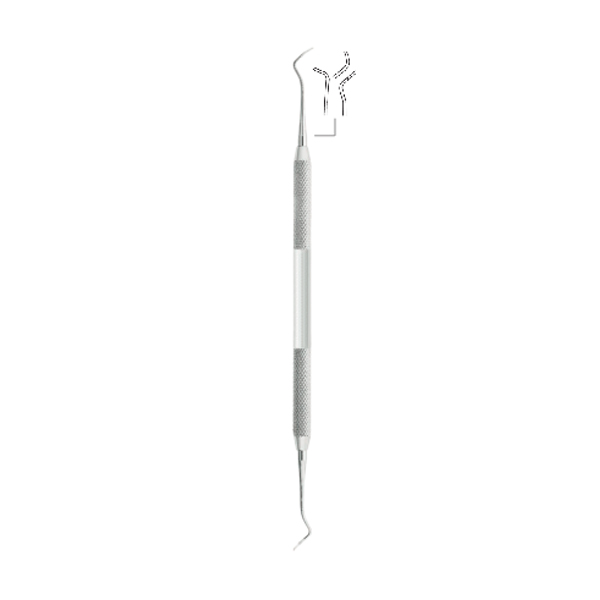
During both lateral window and crestal sinus lift procedures, sinus curettes allow clinicians to:
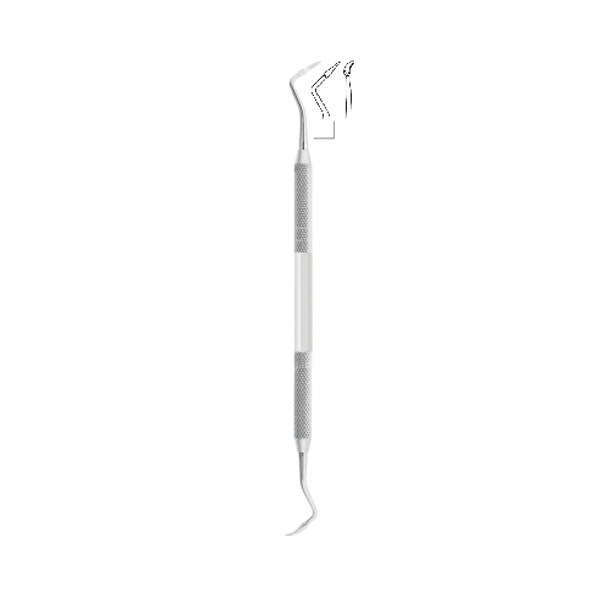
- Separate the sinus membrane from surrounding bone
- Maintain continuous tactile feedback
- Control the direction and depth of elevation
- Reduce the risk of membrane tearing
Given the sensitivity of the sinus membrane, even minor variations in curette design can significantly impact surgical safety.
Key Factors to Consider When Selecting Sinus Curettes
1. Tip Design and Shape
The shape of the curette tip is one of the most important considerations. Sinus anatomy varies between patients, and having a range of tip designs allows for safer adaptation to different contours.
Common tip configurations include:
- Rounded or spoon-shaped tips for initial membrane detachment
- Angled tips to access the medial and posterior sinus walls
- Offset or bayonet-style tips for improved visibility and reach in lateral window approaches
Smooth, polished edges are essential, as sharp or irregular margins increase the risk of membrane perforation.
2. Angulation and Length
Sinus curettes are available in multiple angulations and shaft lengths to accommodate various surgical approaches. Straight curettes may work well for anterior areas, while angled instruments provide better access to posterior and medial regions of the sinus.
Having a complete set with graduated angles enables the clinician to progress gradually, maintaining membrane integrity throughout the elevation process. Excessively long or poorly balanced instruments can compromise control, especially in deep surgical fields.
3. Handle Design and Ergonomics
Ergonomics directly affect precision and fatigue during sinus lift procedures. Lightweight handles with textured or anti-slip surfaces improve grip stability and tactile sensitivity.
An ergonomically designed handle allows the clinician to apply controlled, gentle pressure—an essential factor when working with delicate sinus membranes. Poor handle design can lead to unintentional force application and increase the risk of complications.
4. Material Quality and Finish
High-quality stainless steel or titanium instruments offer durability, corrosion resistance, and consistent performance after repeated sterilization cycles. A mirror-polished finish reduces tissue drag and enhances smooth membrane elevation.
Inferior materials or rough finishes may compromise instrument longevity and increase the likelihood of tissue trauma. Investing in premium-quality curettes ultimately contributes to safer procedures and long-term cost efficiency.
5. Compatibility with Surgical Technique
Different sinus lift techniques require different instrument profiles. For example:
- Lateral window sinus lifts benefit from a broader selection of angled and curved curettes
- Crestal (internal) sinus lifts often require narrower, more compact curettes for controlled elevation
Selecting curettes that align with your preferred technique ensures smoother workflows and better surgical outcomes.
Benefits of Using the Right Sinus Curettes
Choosing appropriate sinus curettes offers several clinical advantages:
- Reduced risk of Schneiderian membrane perforation
- Improved tactile feedback and surgical control
- Shorter procedure times due to efficient membrane elevation
- Increased confidence during complex sinus augmentation cases
Ultimately, the right instruments support predictable results and enhance patient safety.
Building a Comprehensive Sinus Curette Set
Rather than relying on a single instrument, clinicians are encouraged to maintain a comprehensive sinus curette kit. A well-rounded set typically includes multiple tip sizes, shapes, and angulations, allowing seamless adaptation throughout the procedure.
Such versatility is particularly beneficial when encountering anatomical variations, sinus septa, or limited access situations.
Conclusion
Safe and successful sinus elevation depends on more than just surgical skill—it requires the right tools for the task. Selecting sinus curettes with appropriate tip design, angulation, ergonomic handling, and material quality is essential for minimizing complications and achieving optimal outcomes.
By investing in well-designed sinus curettes and understanding their specific applications, clinicians can perform sinus lift procedures with greater confidence, precision, and patient safety.