
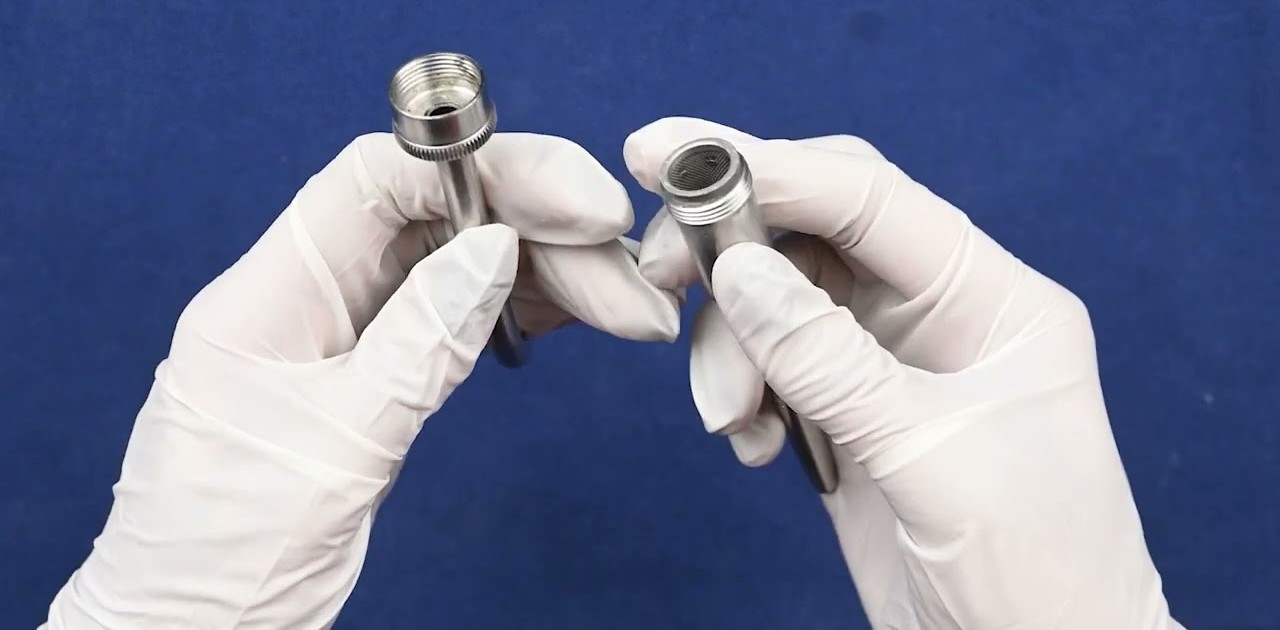
Autogenous bone remains the gold standard in oral and maxillofacial surgery due to its excellent osteogenic, osteoinductive, and osteoconductive properties. During implant placement and other surgical procedures, clinicians can efficiently harvest this valuable graft material directly from the patient using bone collectors and filters integrated into the surgical suction or drilling system.
This approach not only improves surgical efficiency but also reduces the need for secondary donor sites, making procedures less invasive and more patient-friendly.
What Are Bone Collectors and Filters?
Bone collectors are specialized devices designed to capture bone particles generated during drilling or osteotomy preparation. These particles are collected instead of being lost through suction.
Bone filters, often integrated into surgical suction systems, separate bone chips from irrigation fluid and blood, allowing clinicians to retrieve usable autogenous graft material in real time.
Together, they form an efficient bone recovery system during routine implant surgery.
Why Autogenous Bone Matters
Autogenous bone is widely considered the most reliable grafting material because it contains living cells and growth factors that promote natural bone regeneration. Its key advantages include:
- High biocompatibility
- No risk of immune rejection
- Faster integration with host bone
- Superior healing potential compared to synthetic or allograft materials
However, traditional harvesting methods often require a second surgical site, increasing patient morbidity. Bone collectors solve this problem by capturing bone directly from the drilling process.
How Bone Collection Works During Drilling
During osteotomy preparation, bone particles are generated as the drill passes through cortical and cancellous bone. Without a collection system, these particles are typically suctioned away and discarded.
With a bone collector system in place:
- Drilling begins as usual using sterile irrigation.
- Bone particles mix with fluid and are suctioned through the surgical system.
- The filter or collector chamber separates bone chips from fluid and blood.
- Harvested bone is retained in a sterile container for immediate or later use.
This process allows clinicians to collect graft material without interrupting the procedure.
Key Benefits of Bone Collectors and Filters
1. Efficient Autogenous Bone Harvesting
The biggest advantage is the ability to collect usable bone graft material without additional surgical steps or donor site preparation.
2. Reduced Surgical Trauma
Since no secondary harvesting site is required, patient discomfort, healing time, and postoperative complications are significantly reduced.
3. Real-Time Graft Availability
Collected bone can be used immediately for socket preservation, ridge augmentation, or peri-implant defects during the same procedure.
4. Improved Surgical Workflow
The system integrates seamlessly into existing suction setups, ensuring no disruption to the surgical flow.
Clinical Applications
Bone collectors are particularly useful in:
- Dental implant placement
- Sinus lift procedures
- Ridge preservation techniques
- Periodontal regeneration surgeries
- Bone defect management
In all these cases, even small quantities of autogenous bone can significantly enhance healing outcomes.
Factors to Consider When Choosing a Bone Collection System
1. Particle Size Efficiency
A good system should capture both fine and coarse bone particles without clogging.
2. Sterility and Material Quality
Since the collected bone is used directly in grafting, the system must maintain strict sterility standards.
3. Compatibility
The device should integrate easily with standard surgical suction units and irrigation systems.
4. Ease of Handling
Simple assembly and cleaning improve clinical efficiency and reduce chairside time.
Limitations to Keep in Mind
While highly effective, bone collectors have some limitations:
- Limited volume of harvested bone in small procedures
- Dependence on drilling technique and bone density
- Need for proper irrigation balance to avoid loss of particles
Understanding these factors helps clinicians maximize collection efficiency.
Final Thoughts
Bone collectors and filters have transformed how clinicians approach autogenous bone harvesting. By capturing bone directly during drilling, they eliminate the need for additional donor sites while improving surgical efficiency and patient comfort.
As implant dentistry continues to evolve, these systems are becoming an essential part of modern surgical workflows—helping clinicians achieve predictable outcomes with minimal invasiveness and maximum biological benefit.