
Introduction
In dental and surgical settings, precision is everything. Even the smallest loss of control can impact performance, efficiency, and patient safety. One often overlooked but critical design feature in instruments is handle texturing—especially knurled grips on mirror handles. During wet procedures where fluids like saliva, blood, or irrigation solutions are present, these textured surfaces play a vital role in maintaining a secure grip(Knurled mirror handle grip).
This blog explores how knurled mirror handles enhance control, reduce hand fatigue, and improve clinical outcomes.
What Is Knurling in Mirror Handles?
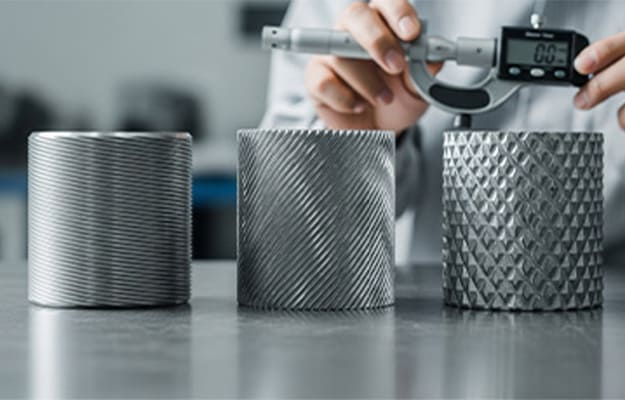
Knurling refers to a pattern of ridges or cross-hatched grooves engraved onto the surface of an instrument handle. These patterns are not just decorative—they are engineered for function.
In dental mirror handles, knurling typically appears as:
- Crosshatch (diamond pattern)
- Straight-line grooves
- Spiral textures
Each pattern is designed to increase friction between the clinician’s fingers and the instrument, especially in slippery conditions (Knurled mirror handle grip).
Why Slippage Occurs During Wet Procedures
Wet clinical environments create a constant challenge for grip stability. Factors contributing to slippage include:
- Moisture exposure (saliva, blood, disinfectants)
- Glove lubrication reducing friction
- Fine motor precision requirements
- Prolonged procedures causing hand fatigue
Without proper grip support, smooth handles can become difficult to control, increasing the risk of:
- Instrument drops
- Reduced accuracy
- Hand strain
How Knurled Grips Prevent Slippage
1. Enhanced Friction
Knurled surfaces create micro-contact points between the glove and the handle. This increases resistance and prevents the instrument from slipping, even when wet.
2. Improved Control and Precision
With a secure grip, clinicians can perform delicate movements with confidence. This is particularly important in:
- Periodontal examinations
- Endodontic procedures
- Restorative work
3. Reduced Hand Fatigue
A stable grip means less force is needed to hold the instrument. Over time, this reduces:
- Muscle strain
- Hand fatigue
- Risk of repetitive stress injuries
4. Better Ergonomics
Knurled mirror handles are often designed alongside ergonomic features such as:
- Lightweight construction
- Balanced weight distribution
- Silicone or hollow handles
Together, these features improve overall usability and comfort.
Types of Knurling Patterns and Their Benefits
Diamond Knurling
- Most common pattern
- Offers multidirectional grip
- Ideal for general dental use
Straight Knurling
- Linear grooves
- Suitable for controlled, single-direction movements
Spiral Knurling
- Twisted pattern
- Enhances grip during rotational movements
Each pattern serves specific clinical preferences, allowing practitioners to choose based on their working style.
Materials and Manufacturing Considerations
High-quality mirror handles are typically made from stainless steel, ensuring durability and resistance to corrosion. The knurling process must be (Knurled mirror handle grip):
- Precisely machined for consistency
- Deep enough to provide grip without discomfort
- Smooth-edged to prevent glove tearing
Advanced manufacturing ensures that the texture remains effective even after repeated sterilization cycles.
Knurled vs. Smooth Handles: A Quick Comparison
| Feature | Knurled Handles | Smooth Handles |
|---|---|---|
| Grip in Wet Conditions | Excellent | Poor |
| Control | High | Moderate |
| Fatigue Reduction | Better | Lower |
| Safety | Enhanced | Risk of slippage |
Applications in Dental Practice
Knurled mirror handles are widely used in:
- Diagnostic procedures
- Oral examinations
- Surgical assistance
- Hygiene treatments
They are particularly beneficial in fast-paced environments where precision and reliability are critical.
Choosing the Right Mirror Handle
When selecting a mirror handle with knurling, consider:
- Grip pattern preference
- Handle diameter (thicker handles reduce strain)
- Weight and balance
- Compatibility with mirror heads
Investing in well-designed instruments can significantly improve workflow and clinician comfort.
Conclusion
Knurled grips on mirror handles are a small design detail with a big impact. By preventing slippage during wet procedures, they enhance precision, reduce fatigue, and contribute to safer, more efficient clinical performance.
For dental professionals, choosing instruments with high-quality handle texturing isn’t just about comfort—it’s about maintaining control when it matters most.