
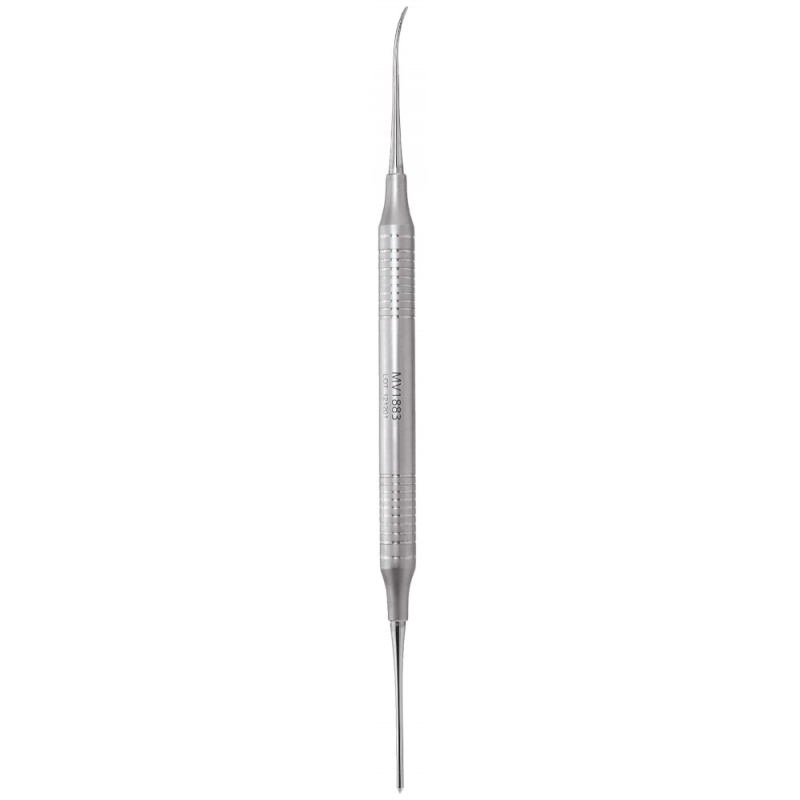
Guided Tissue Regeneration (GTR) has become a cornerstone in modern periodontal and implant dentistry, enabling clinicians to regenerate lost bone and soft tissue with predictable outcomes. While biomaterials like membranes play a vital role, the precision and care with which they are handled can significantly influence clinical success.
This is where membrane placement instruments come into focus—specialized tools designed for atraumatic handling, accurate positioning, and stabilization of delicate barrier membranes.
Understanding GTR and the Role of Membranes
GTR procedures rely on barrier membranes to exclude epithelial cells and allow slower-growing bone and periodontal ligament cells to regenerate. These membranes can be resorbable (collagen-based) or non-resorbable (PTFE), both requiring careful manipulation to avoid contamination, tearing, or displacement.
Even minor mishandling can compromise membrane integrity, leading to treatment failure or suboptimal regeneration.
Why Specialized Membrane Placement Instruments Matter
Standard surgical tools are often not suitable for handling thin, flexible membranes. Membrane placement instruments are specifically designed to:
- Prevent tearing or folding of the membrane
- Ensure precise positioning over the defect site
- Maintain sterility and structural integrity
- Improve surgical efficiency and control
Their ergonomic design and fine tips allow clinicians to work confidently in confined surgical areas.
Key Features of Membrane Placement Instruments
1. Atraumatic Tips
These instruments feature smooth, rounded, or delicately serrated tips that minimize trauma to both the membrane and surrounding tissues.
2. Lightweight and Ergonomic Design
A well-balanced instrument reduces hand fatigue and enhances tactile sensitivity, which is crucial during microsurgical procedures.
3. Non-Stick Surface
High-quality instruments often include non-stick coatings to prevent membranes from adhering, ensuring easy release and repositioning.
4. Fine Angulation
Angled working ends provide better access to posterior regions and deep defects, improving placement accuracy.
Common Types of Membrane Placement Instruments
Membrane Forceps
Designed with delicate gripping क्षमता, these allow clinicians to pick up and place membranes without causing deformation.
Tissue Pliers
Used for stabilizing membranes during positioning, especially in combination with graft materials.
Micro-Spatulas
Ideal for gently spreading and adapting membranes over irregular bony surfaces.
Plugger/Condensers
Assist in securing membranes and graft materials in place without exerting excessive pressure.
Clinical Considerations for Effective Membrane Placement
Maintain Moisture Control
Membranes should remain hydrated but not overly wet, as excessive moisture can make handling more difficult.
Avoid Excessive Force
Delicate pressure is key—overhandling can lead to micro-tears that compromise function.
Ensure Proper Adaptation
The membrane must fully cover the defect with adequate margins to prevent epithelial migration.
Use the Right Instrument for the Task
Switching between instruments during the procedure ensures optimal control at each stage.
Impact on Treatment Outcomes
The use of appropriate membrane placement instruments directly contributes to:
- Improved membrane stability
- Reduced surgical trauma
- Enhanced regenerative outcomes
- Lower risk of complications
In precision-driven procedures like GTR, even small improvements in handling can yield significant clinical benefits.
Best Practices for Clinicians
- Invest in high-quality, purpose-built instruments
- Regularly inspect instruments for wear or surface damage
- Follow strict sterilization protocols
- Practice gentle, controlled movements during placement
Conclusion
Membrane placement instruments are more than just auxiliary tools—they are essential components of successful GTR procedures. Their role in ensuring delicate handling, accurate placement, and membrane integrity cannot be overstated.
By incorporating the right instruments into clinical practice, dental professionals can enhance both procedural efficiency and patient outcomes, reinforcing the predictability of regenerative therapies.