
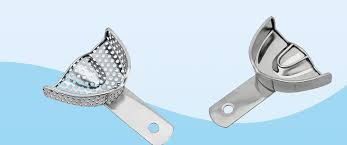
In modern dental practice, infection control isn’t optional—it’s foundational. Autoclaving remains the gold standard for sterilization, but not all impression trays are built to withstand repeated high-temperature cycles. Over time, inferior materials can warp, degrade, or lose structural integrity, ultimately compromising impression accuracy and clinical outcomes.
So how do you choose the right autoclavable impression trays that maintain their shape, strength, and performance over time? Let’s break it down.
Why Material Matters in Autoclavable Trays
Autoclaves typically operate at 121°C to 134°C under pressure, exposing instruments to intense thermal stress and moisture. Materials used in impression trays must resist:
- Thermal distortion
- Moisture absorption
- Chemical degradation
- Mechanical fatigue
If a tray warps even slightly, it can lead to distorted impressions, poor-fitting prosthetics, and costly remakes.
Common Materials Used in Autoclavable Impression Trays
1. Stainless Steel (Premium Choice)
Best for: Long-term, high-frequency clinical use
Stainless steel trays are widely considered the gold standard for durability and repeated sterilization.
Key Advantages:
- Exceptional resistance to heat and pressure
- No warping after multiple autoclave cycles
- High rigidity ensures accurate impressions
- Corrosion-resistant (especially medical-grade alloys)
Considerations:
- Higher upfront cost
- Slightly heavier than alternatives
Verdict: Ideal for clinics prioritizing longevity and precision.
2. High-Performance Medical-Grade Plastics (e.g., PPSU, PEI)
Best for: Lightweight handling with moderate durability
Advanced polymers like polyphenylsulfone (PPSU) and polyetherimide (PEI) are engineered for repeated sterilization.
Key Advantages:
- Lightweight and comfortable for patients
- Good resistance to high temperatures
- Cost-effective compared to metal
Limitations:
- May degrade or warp after extensive cycles
- Lower rigidity than stainless steel
Verdict: Suitable for mid-volume practices or as a secondary tray option.
3. Aluminum (Less Common for Autoclaving)
Best for: Limited use cases
While lightweight and affordable, aluminum trays are less ideal for repeated autoclaving.
Drawbacks:
- Prone to oxidation and surface degradation
- May lose shape under repeated heat exposure
- Requires careful maintenance
Verdict: Not recommended for long-term sterilization cycles.
Key Factors to Consider When Selecting Autoclavable Trays
1. Thermal Stability
Choose materials that can withstand multiple autoclave cycles without deformation. Stainless steel leads here, followed by high-grade polymers.
2. Structural Rigidity
Rigid trays prevent flexing during impression taking, ensuring dimensional accuracy.
3. Surface Finish
Smooth, polished surfaces resist biofilm buildup and are easier to clean thoroughly before sterilization.
4. Design Compatibility
Look for trays with:
- Perforations for better material retention
- Anatomical contours for improved fit
- Reinforced flanges to prevent bending
5. Manufacturer Testing
Reliable suppliers often provide cycle testing data (e.g., 500+ autoclave cycles without deformation). This is a strong indicator of quality.
Best Practices to Prevent Warping
Even with high-quality materials, handling matters.
- Avoid overloading autoclaves—ensure proper airflow
- Use correct cycle settings (don’t exceed recommended temperatures)
- Allow trays to cool naturally—rapid cooling can induce stress
- Inspect regularly for signs of distortion or wear
- Store properly—avoid stacking in ways that apply pressure
When to Replace Your Impression Trays
Watch for these signs:
- Visible bending or asymmetry
- Poor fit during try-in
- Surface pitting or corrosion
- Reduced retention of impression material
Replacing worn trays early protects both your results and your reputation.
Final Thoughts
Choosing the right autoclavable impression tray isn’t just about sterilization—it’s about maintaining precision under pressure. While medical-grade plastics offer flexibility and affordability, stainless steel remains the most reliable option for repeated autoclaving without warping.
If your practice handles high patient volume or prioritizes long-term cost efficiency, investing in premium materials will pay off in consistency, durability, and clinical confidence.