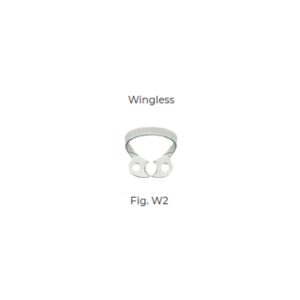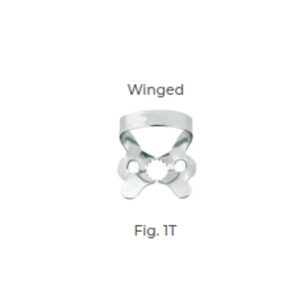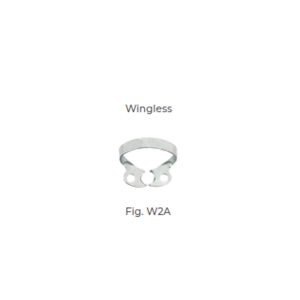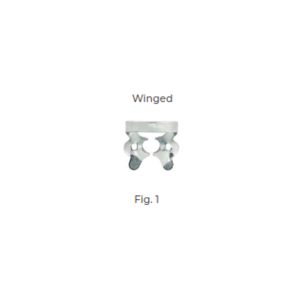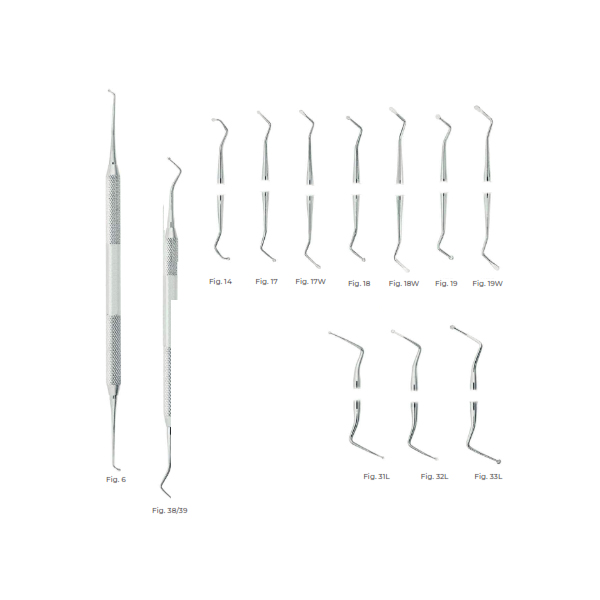
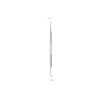
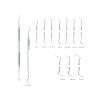
Excavators, Fig 17
Dental excavators are vital tools in modern restorative dentistry, used primarily to remove decayed tissue, soft tissue, and debris from a tooth.
Additionally, These hand-held instruments play a crucial role in cavity preparation, ensuring that the tooth is clean and ready for filling placement.
Moreover, The precision and efficiency of dental excavators are key to achieving successful, long-lasting restorative results for patients.
Typically, a dental excavator consists of a handle and a thin, curved working end.
Dentists design the working end to scrape or scoop out decayed material without damaging the healthy surrounding tooth structure.
Furthermore, The working end varies, with spoon-shaped tips for soft decay and angled blades for hard-to-reach areas.
For example, Dentists commonly use the spoon excavator.
Its spoon-shaped tip is ideal for scooping out soft, decayed tissue.
The Wedelstaedt excavator, with its angled blade, is ideal for accessing hard-to-reach areas of the tooth.
Dental excavators also play a crucial role in refining cavity preparations before placing a filling.
The goal is to ensure the cavity is smooth, clean, and free from debris, which ensures that the filling material adheres properly.
The ergonomic handle design provides better control and precision, reducing the risk of complications.
In conclusion, dental excavators are indispensable tools for any restorative dental procedure.
With specialized tips and ergonomic designs, excavators help dentists perform effective treatments that restore and preserve oral health.