
Endodontic Microscopes: Are They Worth the Investment?
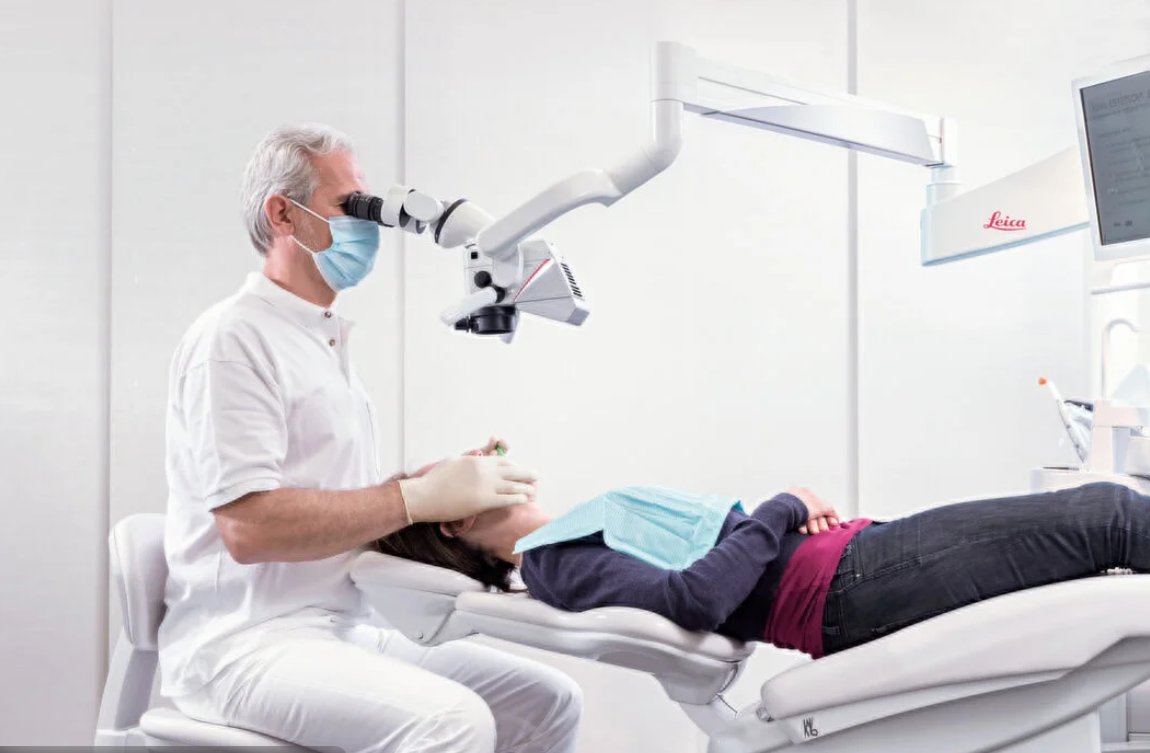
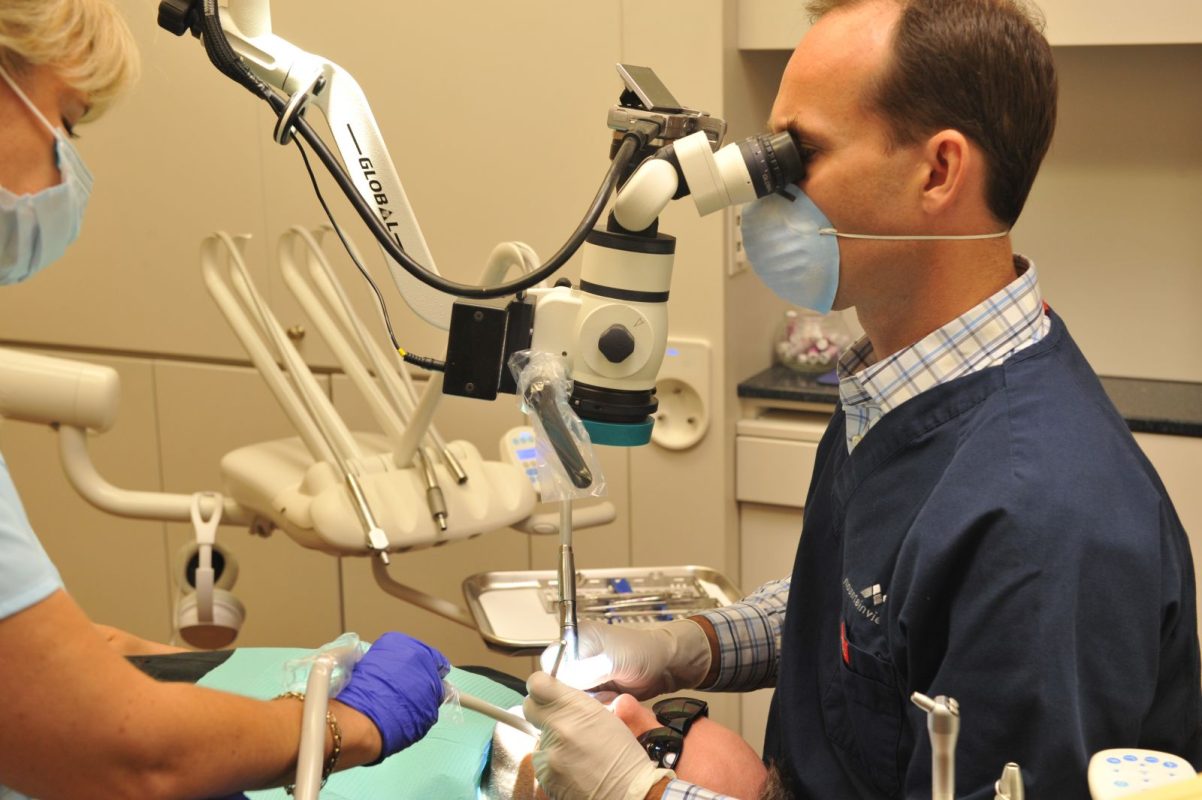
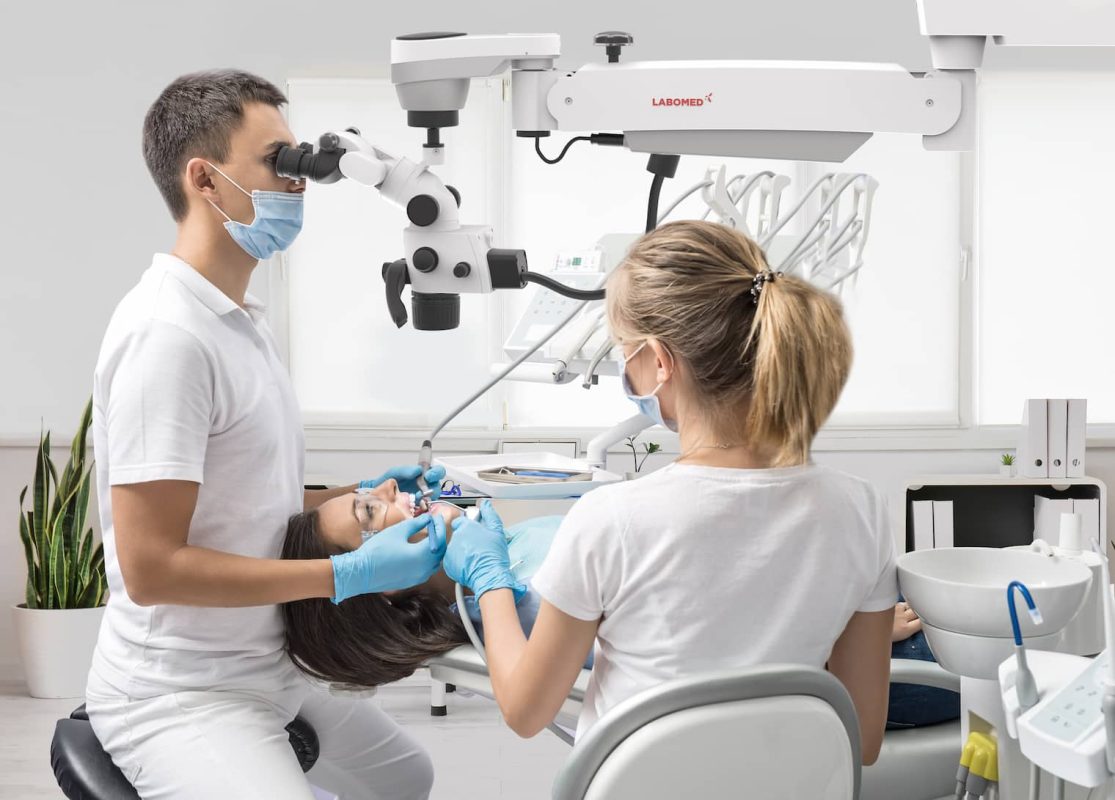
In the world of modern endodontics, investing in advanced equipment isn’t just about staying cutting-edge—it’s about elevating patient care, improving outcomes, and enhancing the clinician’s experience. One such investment is the endodontic operating microscope (EOM). But is it truly worth the cost, space and training required? In this blog post we’ll explore the benefits, the challenges, and whether an endodontic microscope can be a game-changer for your( practice Endodontic Microscope Benefits).
✅ What the Microscope Brings to the Table
Here are the key benefits of using a microscope in endodontic practice:
1. Enhanced Visualization & Precision
Using a dental operating microscope allows clinicians to see tooth structures and root canal anatomy in far greater detail than with the naked eye or standard loupes. For example, magnification levels of 4×-25× are common in microscopes, whereas loupes may be limited to 2.5×-6×.
This improved visualization helps in:
- Locating hidden or accessory canals (such as the MB2 in upper molars) that might otherwise be missed.
- Detecting tiny cracks, micro-fractures, calcifications or residual materials.
- Performing cleaner and more precise instrumentation, shaping and obturation because the clinician can clearly see canal walls, isthmuses, and subtle anatomical variations.
2. Improved Treatment Outcomes
Because visualization and precision are enhanced, the microscope supports higher-quality treatment. Studies and professional bodies note that use of magnification and appropriate lighting contribute to better diagnosis, fewer missed canals, less iatrogenic mistakes, and ultimately better long-term tooth retention.
For example, the American Association of Endodontists (AAE) indicates that procedures like locating separated instruments, missed canals and repairing perforations benefit from microscope use.
3. Minimally Invasive & Preservation-Focused
Because you can see more and more precisely, you can often preserve more of the natural tooth structure. Instead of “blind” or approximate drilling and shaping, you can tailor your access cavities and instrumentation selectively. This helps with the goal of conservation and can improve long-term prognosis.
4. Ergonomics & Practitioner Comfort
Working under a microscope allows a more upright posture, better ergonomics (less neck/back bending), better illumination and consistent focus. Over long procedures (such as complex root canal retreatments or microsurgery) this can reduce clinician fatigue and musculoskeletal strain.
5. Documentation, Patient Communication & Marketing
Many microscopes integrate video and still-capture systems. This enables you to record treatment steps, show patients what’s going on (increasing trust), and clearly document complex cases. It also becomes a visible “premium service” in your practice, which can help marketing and patient education.
⚠️ What You Should Consider Before Investing
While the benefits are strong, there are several practical considerations to weigh:
- Cost: High-quality dental operating microscopes are expensive and may require additional infrastructure (stable mounting, special lighting, camera integration, training).
- Space & Setup: A microscope requires proper mount/floor stand or ceiling suspension, enough room for manoeuvring arms, space for auxiliary equipment, and consistent overhead lighting.
- Learning Curve: Using magnification effectively requires training. Operating at high magnification slows you down initially; there is a transition period.
- Workflow Integration: The microscope should integrate smoothly into your workflow—if switching from loupes or no magnification, you’ll need to adjust behaviour, hand movements, instrument handling, etc.
- Case Volume & Type: If you rarely do complex endodontic procedures (retreatments, microsurgery, heavily calcified canals), the investment may not deliver as strong a return compared to a practice that does high-volume specialised endo work.
- Maintenance & Support: Make sure local service and parts are available especially in your region (like Pakistan) so downtime is minimal.
🎯 Is It Worth It for Your Practice?
Here’s how you might evaluate whether an endodontic microscope is a good investment for your specific practice:
| Practice Characteristic | Microscope Value |
|---|---|
| You perform many complex root canals, retreatments, or microsurgical cases | High value – the microscope will likely improve outcomes measurably. |
| You are aiming to market “premium endodontic care” to patients | Good value – differentiates you from general practice. |
| You are mainly doing straightforward primary root canals and refer out complex cases | Moderate value – may be beneficial but less critical. |
| You have limited budget/space or your case volume is low | Perhaps less value – could consider high-powered loupes as an interim step. |
In other words: if your practice profile aligns with the “complex cases + desire for premium treatment + sufficient volume” model, an endodontic microscope can be a very worthwhile investment. On the other hand, if your endo work is modest and simple, the cost/benefit ratio might be less favourable—at least initially.
🔍 Summary: The Verdict
Yes—an endodontic microscope can be worth the investment. It offers real, documented benefits: better visualization, greater precision, improved ergonomics, enhanced patient communication, and likely better outcomes. The key is to evaluate your own practice context: the type and volume of cases, your budget, your space, your workflow, and your willingness to invest in training and integration.
If you tick many of the “high-value” boxes, then moving ahead with a dental operating microscope is not just an upgrade—it’s a strategic decision that can elevate your endodontic care.