
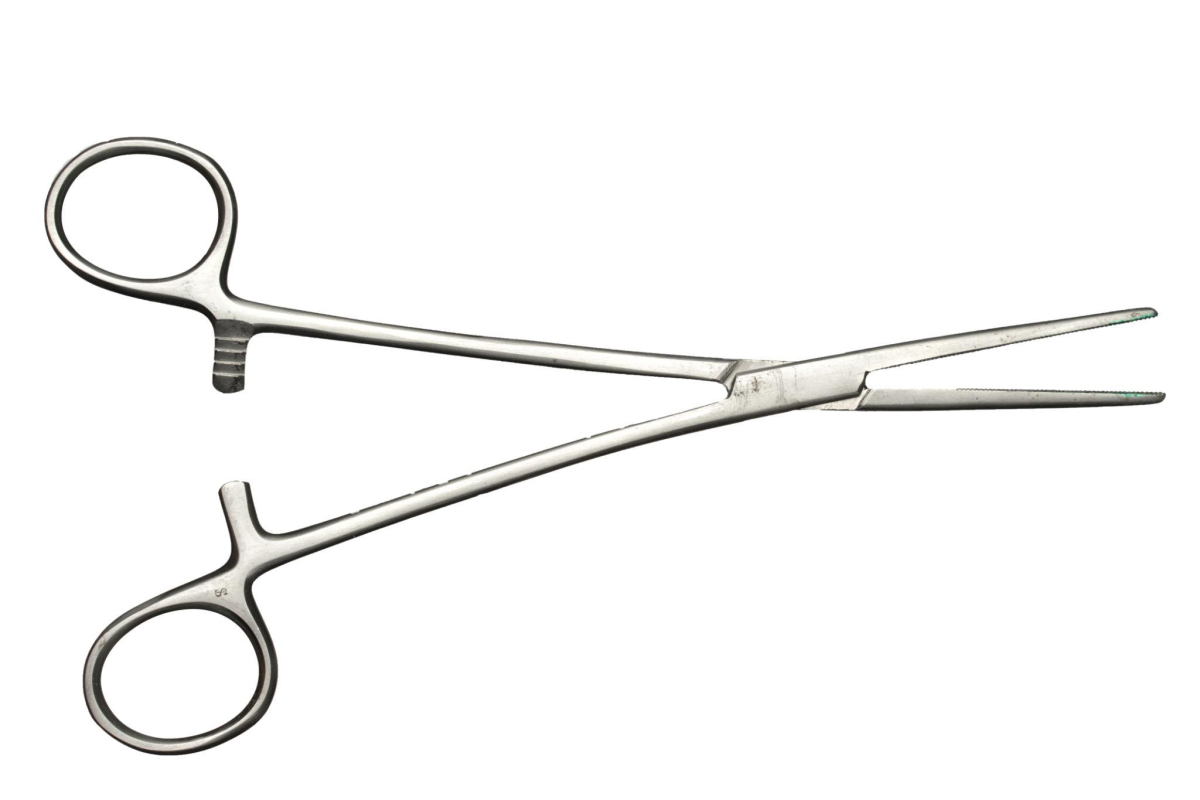
Atraumatic Clamps for Delicate Tissues: Rubber-Shod Tips vs. Standard Metal Jaws
In surgical and dental procedures, handling delicate tissues requires precision, control, and minimal trauma. Atraumatic clamps are specifically designed to protect tissues while providing a secure grip. Two common types are rubber-shod clamps and standard metal jaw clamps, each with unique features that influence their use and effectiveness.
What Are Atraumatic Clamps?
Atraumatic clamps are forceps or hemostats designed to grip tissues gently without crushing or damaging them. They are essential in:
- Vascular surgery
- Dental extractions
- Soft tissue procedures
- Microsurgery
The main goal is tissue preservation while maintaining a secure hold for procedures like suturing, retraction, or vessel clamping.
Rubber-Shod Tip Clamps: Design & Benefits
Rubber-shod tip clamps have soft, removable rubber coatings over the metal jaws.
Key Features:
- Soft rubber layer cushions the tissue
- Reduced risk of crushing or tearing
- Available in straight or curved designs
- Often used in delicate vascular or oral procedures
Clinical Advantages:
- Protects fragile tissues like veins, nerves, and mucosa
- Allows secure grip without excessive pressure
- Ideal for repeated clamping during long procedures
Standard Metal Jaw Clamps: Design & Benefits

Standard metal jaw clamps are fully metallic without cushioning, offering a firm and consistent grip.
Key Features:
- Serrated or smooth metal jaws
- Durable, easy to sterilize
- Provides strong compression for more resilient tissues
Clinical Advantages:
- Better suited for thicker or tougher tissues
- More durable and reusable
- Allows precise control in areas where slight tissue trauma is acceptable
Rubber-Shod vs. Metal Jaws: Key Differences
| Feature | Rubber-Shod Clamps | Standard Metal Jaws |
|---|---|---|
| Tissue Trauma | Minimal | Moderate, can crush delicate tissue |
| Grip | Gentle, cushioned | Firm, consistent |
| Best Use | Fragile veins, nerves, mucosa | Stronger tissues like fascia or vessels |
| Sterilization | Rubber tips removable, may wear over time | Fully metallic, durable |
| Variations | Straight or curved | Straight or curved |
Choosing the Right Atraumatic Clamp
- Select rubber-shod clamps for delicate tissues that are prone to tearing or bruising.
- Select standard metal clamps when working on tougher tissues that require a secure hold.
- Consider procedure length – repeated clamping may favor cushioned tips to reduce cumulative trauma.
Conclusion
Both rubber-shod and standard metal jaw clamps have essential roles in modern surgery and dental procedures. The choice depends on tissue fragility, procedural requirements, and desired compression. Using the right clamp reduces tissue trauma, improves patient outcomes, and ensures precise handling during delicate procedures.
3 Best Pictures to Include in the Blog:
- Close-up of rubber-shod tip clamp
- Close-up of standard metal jaw clamp
- Side-by-side comparison of rubber-shod vs metal jaw clamps