
Ratchet Lock Mechanisms in Clamps: How Multiple Positions Provide Adjustable Compression

In surgical, dental, and mechanical applications, clamps are essential tools for holding objects securely. One key feature that makes clamps versatile is the ratchet lock mechanism, which allows adjustable compression across multiple positions. Understanding how this works helps practitioners achieve better control, safety, and efficiency during procedures.
What Is a Ratchet Lock Mechanism?
A ratchet lock is a toothed mechanism integrated into the handles of a clamp or forceps. Its purpose is to lock the clamp in place at different levels of tightness, preventing slipping while allowing easy release when needed.
Key Features:
- Toothed ratchet segments along the handle
- Locking positions corresponding to jaw compression
- Smooth release by pressing or unlocking the ratchet
How Multiple Positions Provide Adjustable Compression
The multiple positions on the ratchet allow the user to:
- Gradually increase pressure – each notch corresponds to a small increment in compression
- Maintain consistent hold – the clamp stays locked without manual effort
- Prevent tissue or material damage – fine adjustments allow safe compression without crushing delicate structures
Practical Example: In surgery, a forceps with a ratchet lock can clamp a blood vessel securely at a comfortable pressure while the surgeon continues working nearby, reducing hand fatigue and improving precision.
Advantages of Ratchet Lock Mechanisms
- Adjustable tension – multiple locking positions accommodate different sizes and sensitivities
- Hands-free stability – once locked, clamps maintain grip without continuous effort
- Enhanced safety – reduces risk of slipping or accidental release
- Durability – high-quality ratchets maintain locking function even after repeated use
Choosing the Right Clamp with Ratchet Mechanism
When selecting a clamp, consider:
- Number of ratchet positions – more positions = finer control
- Jaw size and shape – match to the object or tissue being clamped
- Material and finish – stainless steel is preferred for surgical and long-term use
- Handle ergonomics – comfortable handles reduce hand fatigue
Conclusion
The ratchet lock mechanism is a simple yet powerful feature in clamps. By providing multiple locking positions, it enables adjustable compression, secure grip, and better control in both delicate and heavy-duty tasks. Understanding how this mechanism works allows users to choose the right clamp for their needs, improving safety and efficiency across medical, dental, and technical applications.
3 Best Pictures to Include:
- Close-up of ratchet teeth on a surgical clamp
- Clamp in use showing adjustable compression
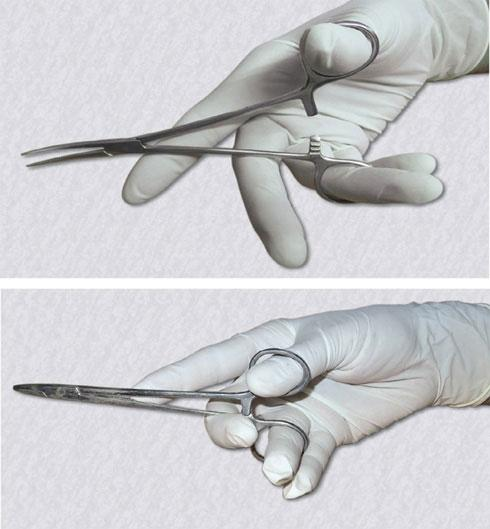
- Hands holding locking forceps showing ratchet release