

Buccal surfaces
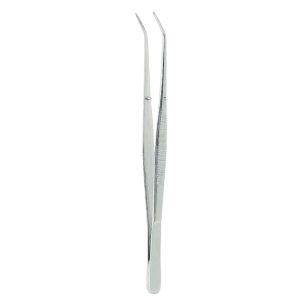
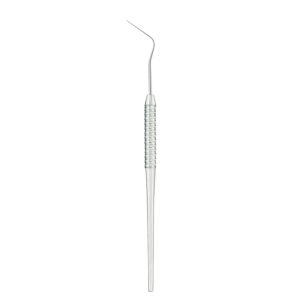
The buccal surfaces Tool refers to the outer side of the tooth that faces the cheeks.
This surface plays an essential role in oral hygiene, dental treatments, and overall oral health.
First and foremost, the buccal surface is one of the most exposed parts of the teeth.
Since it comes into direct contact with food, beverages, and bacteria, it is more susceptible to plaque buildup and staining.
As a result, maintaining proper oral hygiene is crucial to prevent cavities and gum disease.
Moreover, dentists pay close attention to buccal surfaces during examinations.
Not only do they check for plaque and tartar accumulation, but they also look for signs of enamel erosion or cavities.
Additionally, orthodontists evaluate this surface when applying braces, as brackets are often placed on buccal surfaces for effective alignment.
In addition, dental treatments such as fluoride application and sealants focus on protecting buccal surfaces.
Consequently, these preventive measures help strengthen enamel and reduce the risk of decay.
Another significant aspect of the buccal surface is its role in aesthetics.
Furthermore, since it is the most visible part of the tooth when smiling, discoloration or damage can affect a person’s confidence.
Besides, teeth whitening treatments often target the buccal surface to enhance appearance.
In conclusion, the buccal surface plays a vital role in dental health, aesthetics, and treatment procedures.
By maintaining proper oral hygiene and seeking regular dental care, individuals can ensure their buccal surfaces remain healthy and strong.