
Bone grafting is a critical step in modern implantology and oral surgery. While the quality of graft material matters, the technique used to place and compact it often determines the success of the procedure. This is where bone pluggers and condensers play a vital role.
Used correctly, these instruments help achieve optimal graft density, stability, and vascular integration. Used incorrectly, they can compromise healing and implant success Bone Pluggers and Condensers Technique).
Let’s break down how to use them properly.
What Are Bone Pluggers and Condensers?
Bone pluggers and condensers are specialized instruments designed to:
- Compact bone graft material into defects or extraction sockets
- Eliminate voids and air pockets
- Stabilize grafts before membrane placement or implant insertion
Although often used interchangeably, they differ slightly:
- Bone Pluggers: Typically flat or slightly convex tips used for general packing
- Bone Condensers: Designed for controlled compression, often in implant osteotomies (Bone Pluggers and Condensers Technique)
Why Proper Graft Condensation Matters
Dense packing is not just about “filling space.” It directly impacts:
1. Primary Stability
Well-condensed grafts provide a stable base for implants.
2. Vascularization
Over-compression can restrict blood supply, while under-packing leads to instability.
3. Bone Regeneration
Balanced density allows for cell migration and new bone formation.
The goal is firm but not excessive compression.
Step-by-Step Technique for Dense Graft Packing
1. Prepare the Site Properly
Start with a clean, well-debrided site. Remove granulation tissue and ensure bleeding bone is present.
Tip: A slightly bleeding surface improves graft integration.
2. Place Graft Material in Layers
Avoid placing all graft material at once.
- Add small increments
- Distribute evenly across the defect
This ensures better control during condensation.
3. Use the Correct Instrument Size
Match the plugger or condenser tip to the defect size:
- Small tips → narrow sockets or sinus lifts
- Larger tips → ridge augmentation
Using the wrong size can lead to uneven pressure.
4. Apply Controlled Vertical Pressure
Gently press the graft material using:
- Short, firm strokes
- Avoid excessive force
Let the instrument do the work rather than applying brute pressure.
5. Use Incremental Condensation
After each layer:
- Condense lightly
- Add more graft
- Repeat
This layering technique ensures uniform density throughout the site.
6. Avoid Over-Compaction
This is one of the most common mistakes.
Too much pressure can:
- Reduce blood supply
- Delay healing
- Lead to graft failure
The graft should feel stable but slightly resilient, not rock hard.
7. Final Contouring
Once fully packed:
- Shape the graft to match natural bone contours
- Ensure smooth transitions at margins
This improves both function and esthetics.
Common Mistakes to Avoid
❌ Overfilling the Defect
Leads to excessive pressure and poor closure.
❌ Using Excessive Force
Can crush graft particles and damage surrounding bone.
❌ Skipping Layering Technique
Results in voids and uneven density.
❌ Poor Instrument Selection
Reduces control and precision.
Instrument Design Features That Matter
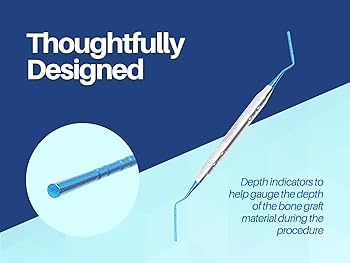
When choosing bone pluggers and condensers, look for:
- Ergonomic handles → better control and reduced fatigue
- Multiple tip sizes → versatility across procedures
- Polished stainless steel tips → prevent graft sticking
- Angled options → improved access in posterior regions
High-quality instruments ensure precision and consistency in every procedure.
Clinical Applications
Bone pluggers and condensers are commonly used in:
- Socket preservation
- Sinus lift procedures
- Ridge augmentation
- Implant osteotomy preparation
Their versatility makes them essential in any surgical setup.
Final Thoughts
Successful bone grafting is not just about materials—it’s about technique and control.
By using bone pluggers and condensers correctly, you can:
- Improve graft stability
- Enhance healing outcomes
- Increase implant success rates
The key is simple: layered placement, controlled pressure, and the right instrument choice.