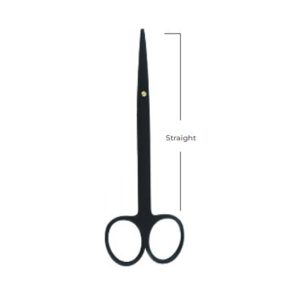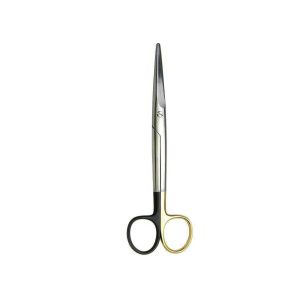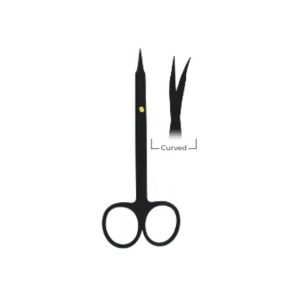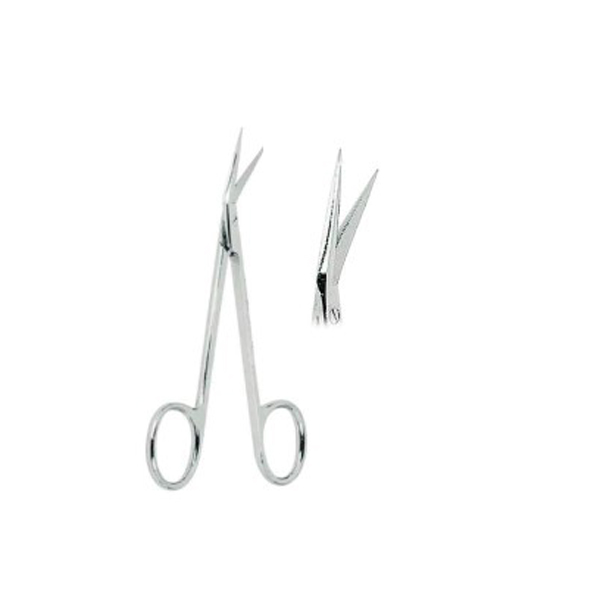
Why Choose Gum Scissors Angular Fig. 2
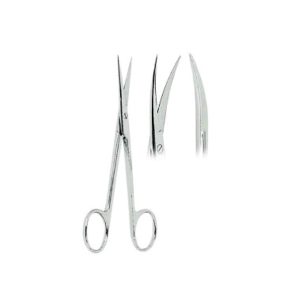
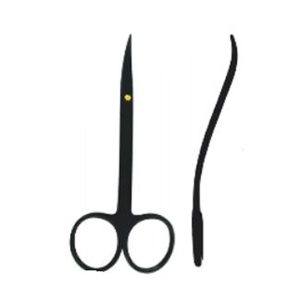
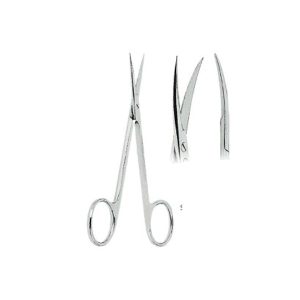
Gum Scissors Angular Fig. 2 give periodontists and dentists extra control whenever a procedure calls for cutting soft tissue at an angle. Since one blade carries a serrated edge, these angular gum scissors grip tissue firmly instead of letting it slip during the cut. In fact, this is a common problem with fully smooth-bladed scissors.
Because the angular design follows the natural curve of the gumline, you gain better access in areas a straight blade can’t reach as easily. Moreover, we built this serrated dental scissor from surgical-grade stainless steel. As a result, it holds its edge and resists corrosion across repeated sterilization cycles. Therefore, Gum Scissors Angular Fig. 2 perform reliably in general dental and periodontal practice, day after day.
Full Specifications of Gum Scissors Angular Fig.2
| Attribute | Detail |
|---|---|
| Length | 11.5 cm (regular size) |
| Material | Surgical-grade stainless steel (AISI 420) |
| Pattern | Fig. 2, angular blade |
| Blade Type | One blade serrated, one blade smooth |
| Tip Style | Sharp/Sharp |
| Finish | Satin/matte |
| Sterilization | Autoclavable |
| Reusable | Yes |
| Country of Manufacture | Pakistan |
| Certification | CE marked, ISO 13485 manufacturing standard |
Clinical Applications
Because Gum Scissors Angular Fig. 2 combine an angular blade with a serrated edge, dentists use them across several soft-tissue procedures:
- Gingivectomy in curved or angled tissue areas
- Periodontal soft-tissue contouring
- Frenectomy procedures that require angled access
- Suture and flap-margin trimming during oral surgery
- Precision cutting during crown-lengthening procedures
Key Benefits of the Fig. 2 Angular Gum Scissors
- The serrated blade grips tissue instead of letting it slip — Since one blade carries a serrated edge, you hold soft tissue firmly during the cut. In contrast, fully smooth blades tend to let tissue slide before you finish cutting.
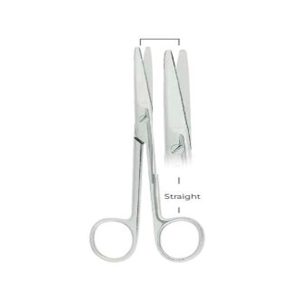
- The angular pattern reaches where straight scissors can’t — Because the blade follows the gumline’s natural curve, this angular gum scissor accesses curved sites more comfortably than a straight Fig. 1 pattern allows.
- The stainless steel resists corrosion through repeated sterilization — As a result, these dental scissors hold their edge and finish across autoclave cycles. Meanwhile, lower-grade or chrome-plated alternatives dull and discolor faster.
- These serrated gum scissors fit straight into your existing sterilization routine — Therefore, you don’t need any special handling or separate reprocessing steps.
Who Should Use Gum Scissors Angular Fig. 2
General dental clinics, periodontal practices, oral surgery centers, and dental teaching institutions rely on this angular serrated scissor whenever a procedure needs precise, angle-specific soft-tissue control.
Frequently ASKED qUESTIONS
Yes You can sterilize them through standard autoclave cycles, so they fit directly into your routine instrument reprocessing.
The serrated blade grips and stabilizes the tissue, while the smooth blade completes a clean cut; together, they prevent tissue from slipping mid-cut.
The Fig. 2 follows an angular curve, so it gives you better access to angled or curved tissue sites, whereas the Fig. 1 suits flat, straight tissue margins.
They’re fully reusable. First, you clean and sterilize them after each procedure; then, you return them to your instrument tray.
Yes they carry CE marking and follow ISO 13485 manufacturing standards, so they meet recognized quality benchmarks for surgical instruments.