
Howarth Periosteal Elevator Overview
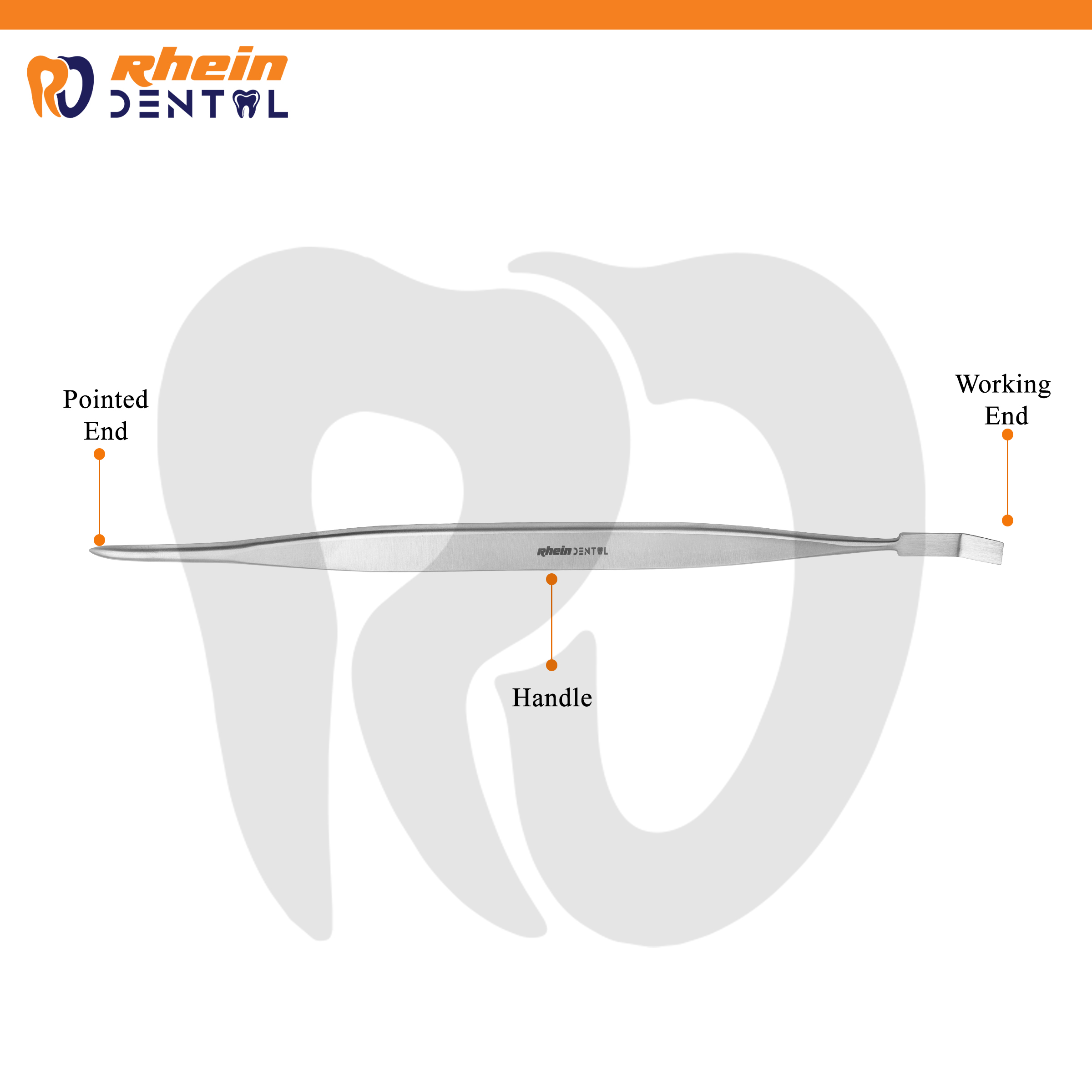
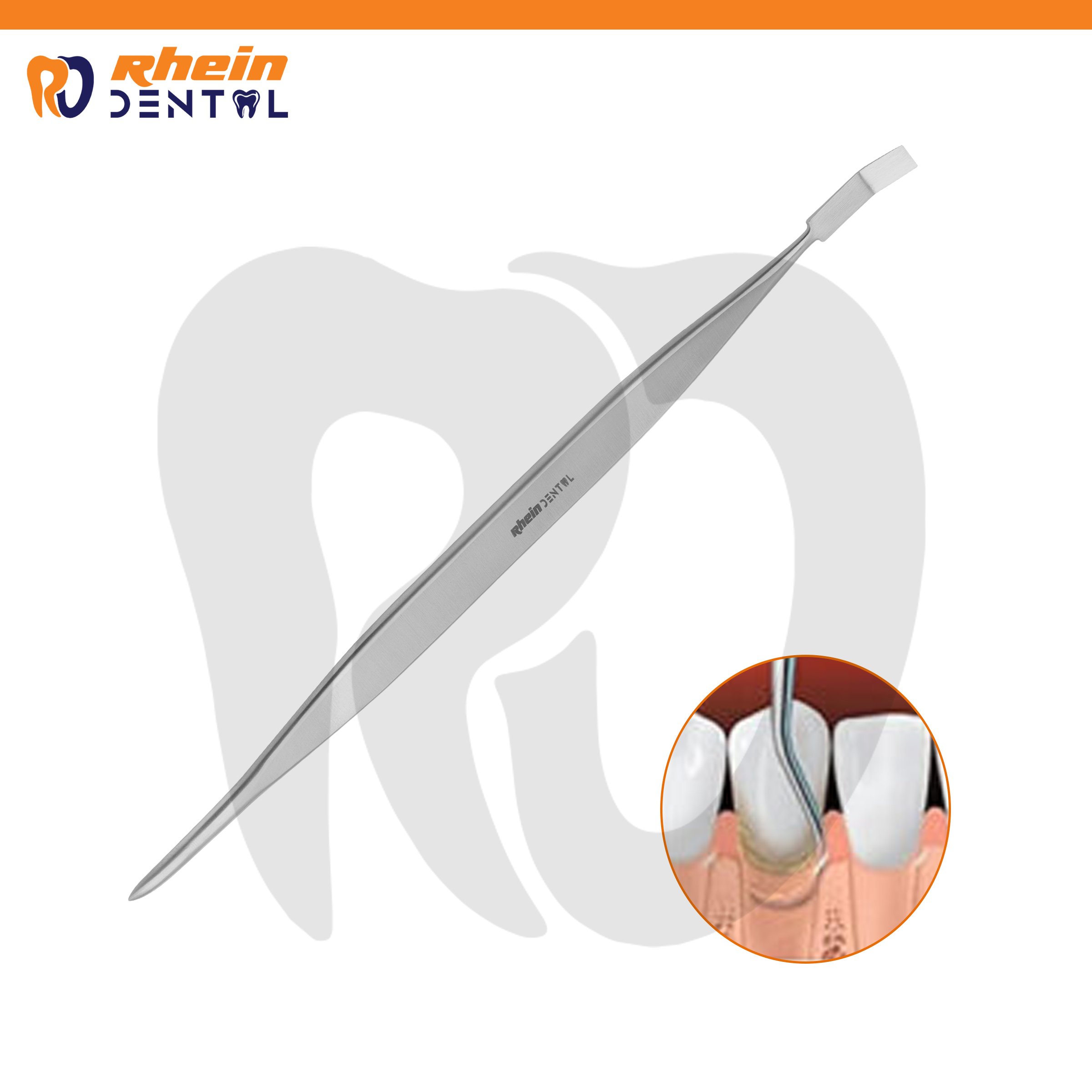
The Howarth periosteal elevator is a 22 cm double-ended instrument that surgeons use to lift the gum and periosteum away from bone. Because one end has an angled flat blade and the other tapers to a fine point, you can switch between broad lifting and controlled separation without changing instruments. Moreover, we manufacture it in Pakistan from stainless steel.
Oral and maxillofacial surgeons rely on this elevator during extractions, flap surgery and implant site preparation. In fact, the long shaft reaches deep sites, so surgeons keep an elevator Howarth periosteal pattern ready in every tray of oral surgery instruments. Therefore, it suits private clinics and teaching hospitals alike. Additionally, CE and ISO certification gives buyers documented quality.
Howarth Periosteal Elevator Specifications
Attribute | Detail |
|---|---|
| Product | Howarth Periosteal Elevator |
| Length | 22 cm |
| Pattern | Howarth, double-ended |
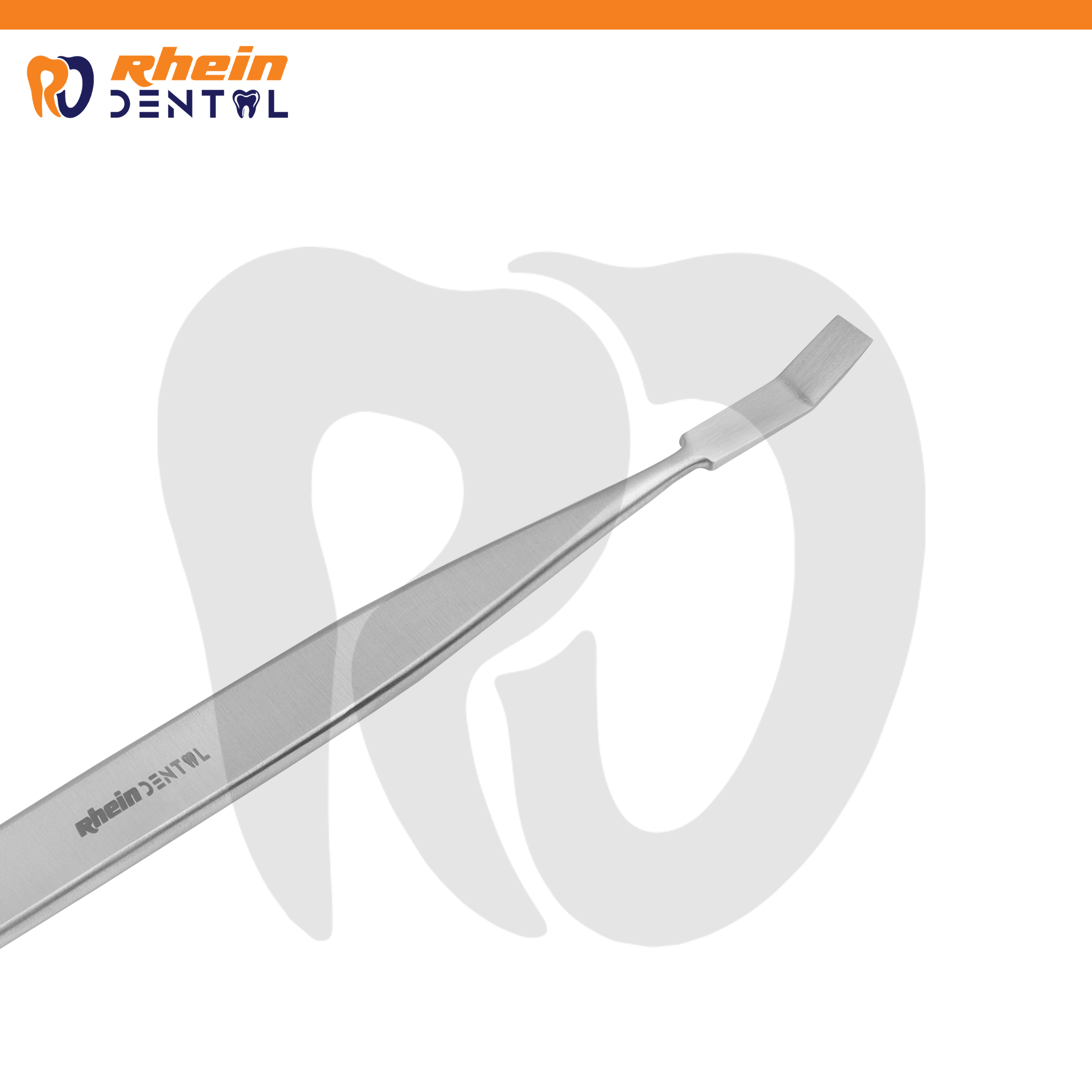
| Working end | Angled flat blade |
| Opposite end | Tapered pointed tip |
| Handle | Flat central handle with engraved brand mark |
| Material | Stainless steel |
| Finish | Satin (matte) |
| Sterilization | Autoclavable |
| Reusable / disposable | Reusable |
| Country of manufacture | Pakistan |
| Certification | CE and ISO certified |
Howarth Periosteal Elevator Parts
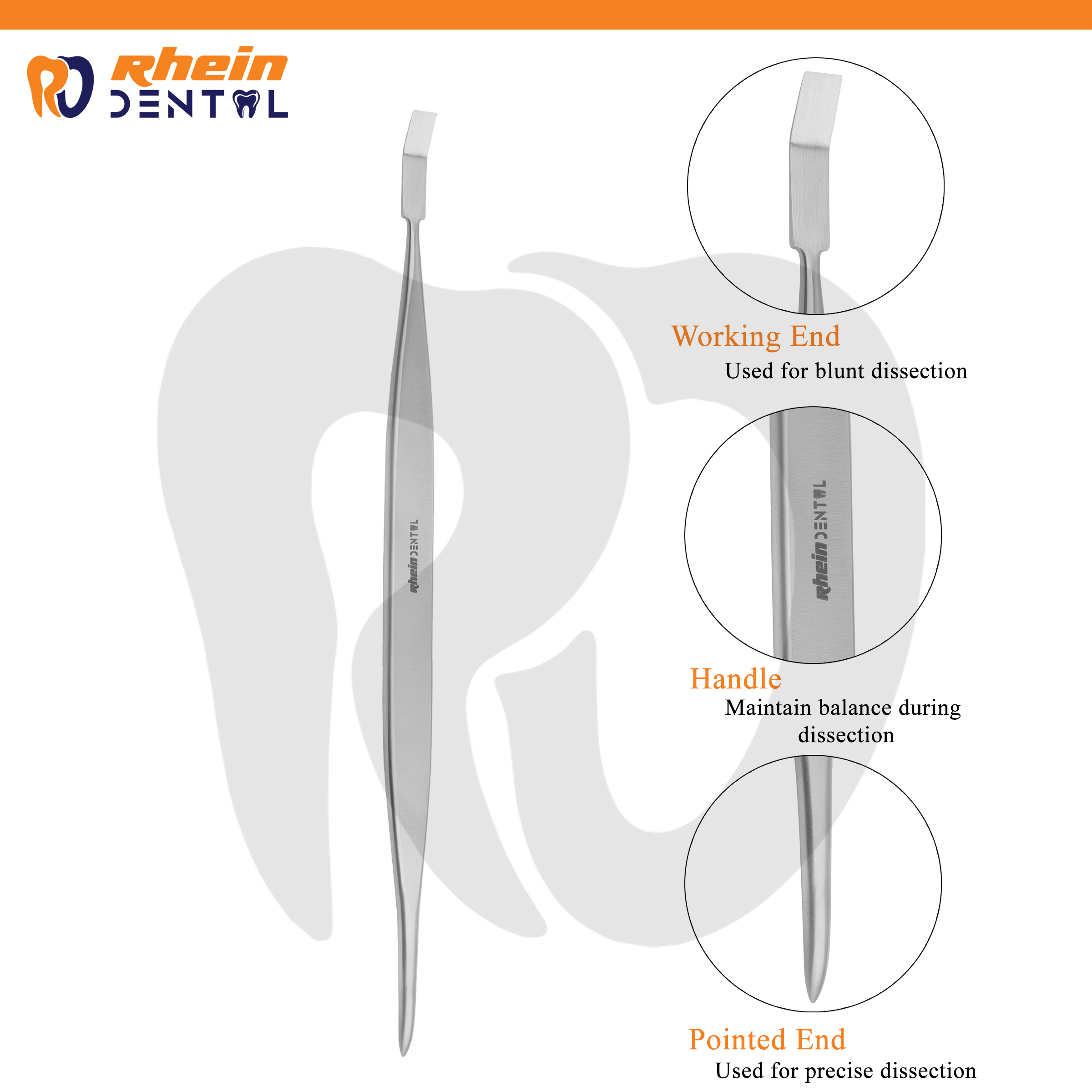
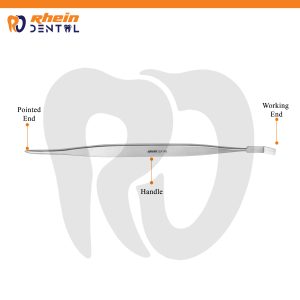
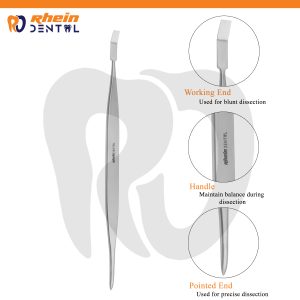
Each howarth periosteal elevator part has a clear job, so you know its function at a glance:
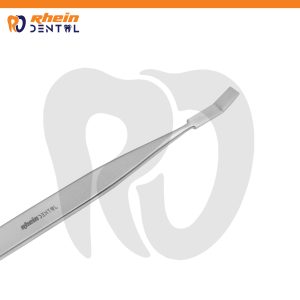
- Working end: an angled flat blade that handles blunt dissection and slides under the flap.
- Handle: a flat central grip that keeps the instrument balanced during dissection and carries the engraved brand mark.
- Pointed end: a tapered tip for precise dissection in tight areas.
Together, these three parts make the instrument easy to learn, easy to handle and easy to inspect between cases.
Howarth Periosteal Elevator Uses in Oral Surgery
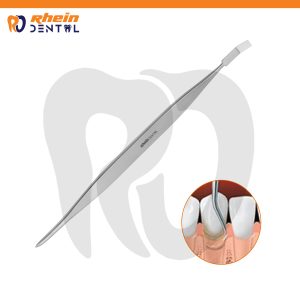
Howarths periosteal elevator use is most common when a surgeon needs to expose bone through a gum incision. Because the blade stays flat against the bone, you lift tissue in one layer instead of tearing it.
- Reflecting mucoperiosteal flaps before impacted third molar removal
- Lifting flaps for surgical apicectomy, so the surgeon sees the root end clearly
- Exposing the ridge for dental implant placement
- Retracting soft tissue during multiple extractions
Key Benefits
- Two ends, one instrument: the flat blade and the pointed tip replace two single-ended elevators in your tray, so you carry fewer instruments through each case.
- 22 cm length: the long shaft reaches deep posterior sites while your hand stays clear of the surgical field.
- Reusable stainless steel: the body withstands repeated cleaning and autoclave sterilization, so you use one instrument across many procedures.
- Documented compliance: CE and ISO certification, together with manufacturing in Pakistan, supports your procurement and audit files.
Ideal For
We built this elevator for clinicians who reflect flaps every week and for buyers who supply them:
- Oral and maxillofacial surgeons who reflect flaps daily
- Periodontists and implant dentists who expose bone before placement
- Dental college surgical skills labs that train students in flap technique
- Distributors and kit assemblers who build extraction and implant sets with dental surgical elevators
FREQUENTLY ASKED QUESTIONS
Surgeons use it to lift the gum and periosteum from bone after an incision. As a result, they see the surgical site clearly during extractions, apicectomy and implant placement.
Yes. We make the instrument from reusable stainless steel, so you clean it after each case and sterilize it in an autoclave following your clinic’s protocol.
Yes. This instrument carries CE and ISO certification, and we manufacture it in Pakistan. Contact us if you need documentation for your records.
The price depends on order quantity, therefore we quote each inquiry individually. Send us your required quantity and we reply with a quote.
A Molt No. 9 periosteal elevator pairs a pointed end with a rounded, spoon-shaped end. In contrast, the Howarth has a long 22 cm shaft with an angled flat blade at one end and a tapered tip at the other.