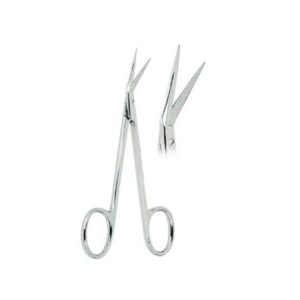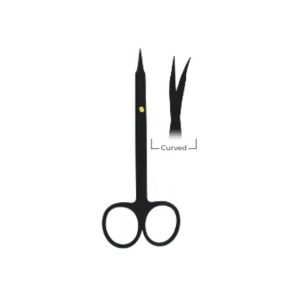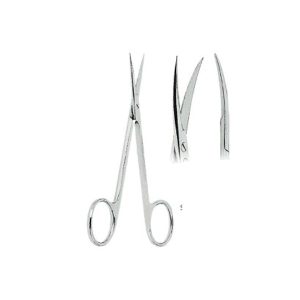
Why Litture Stitch Scissors Work for Suture Removal
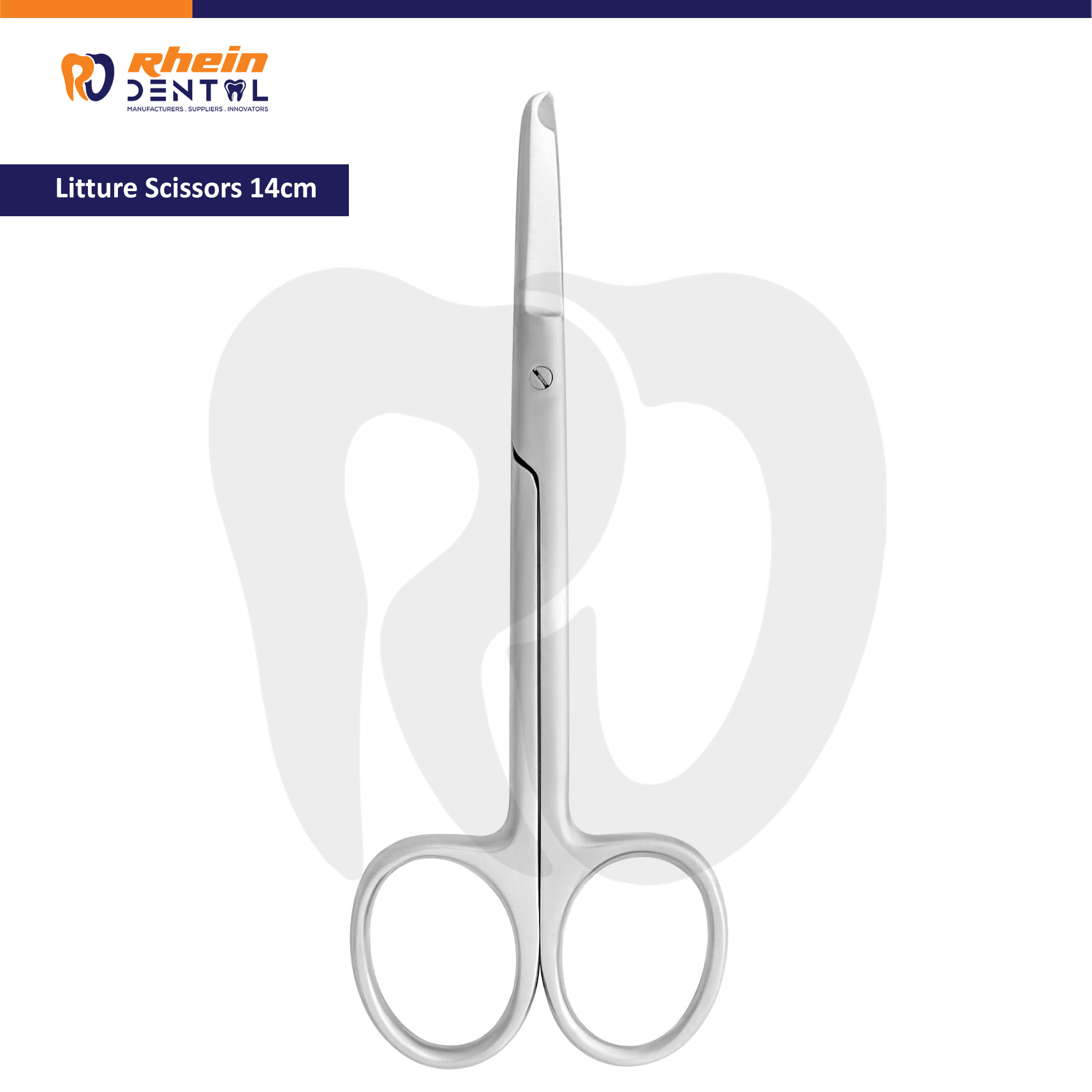
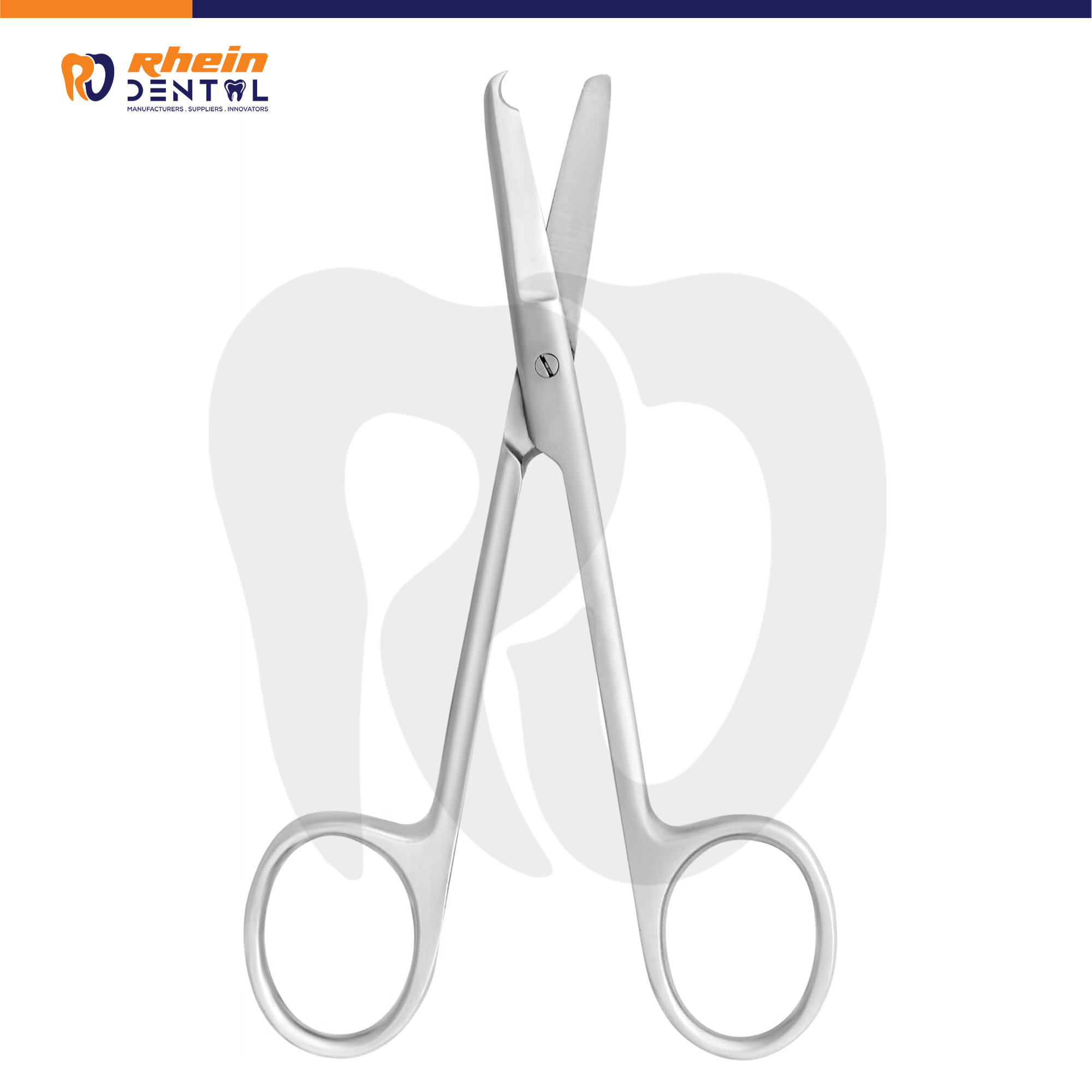
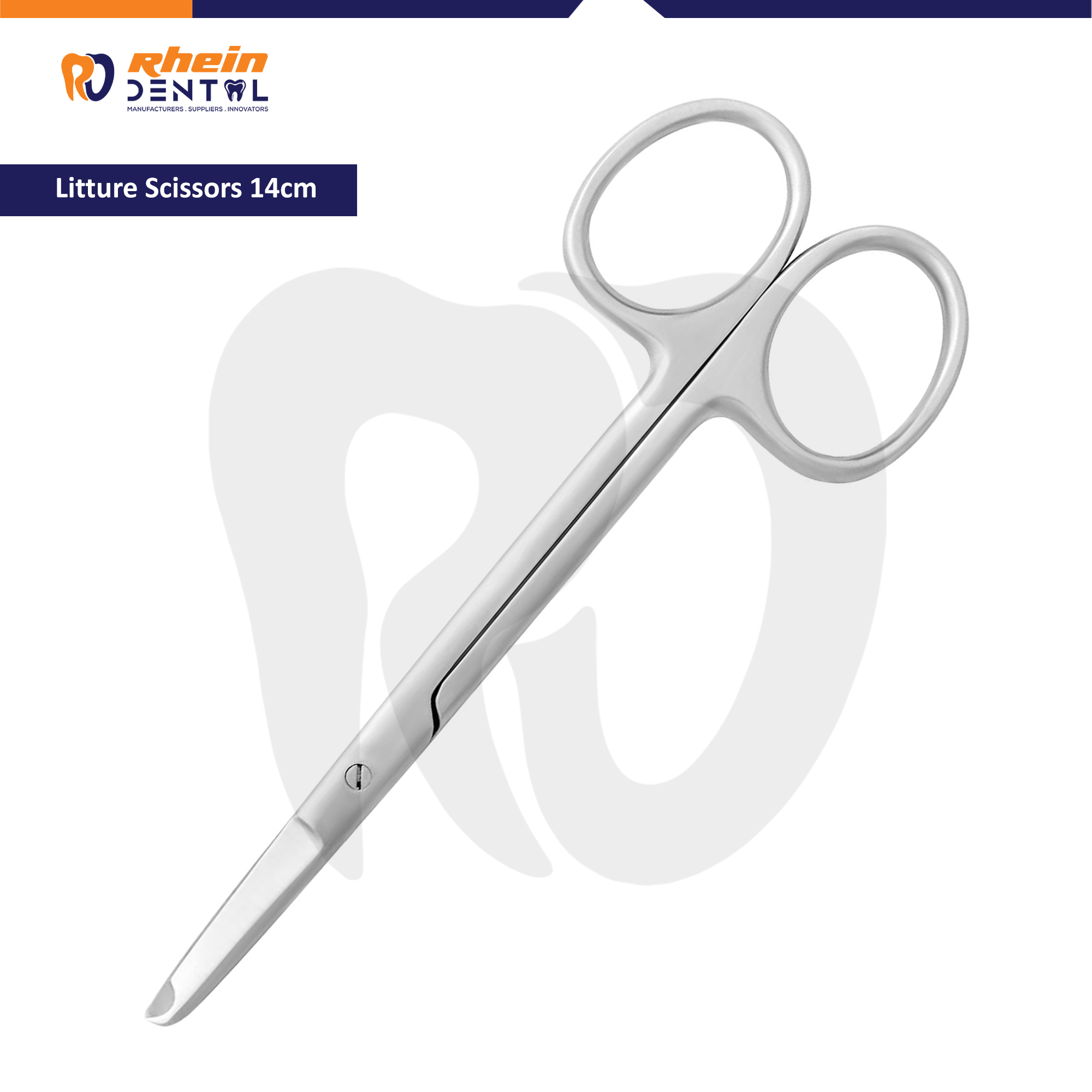
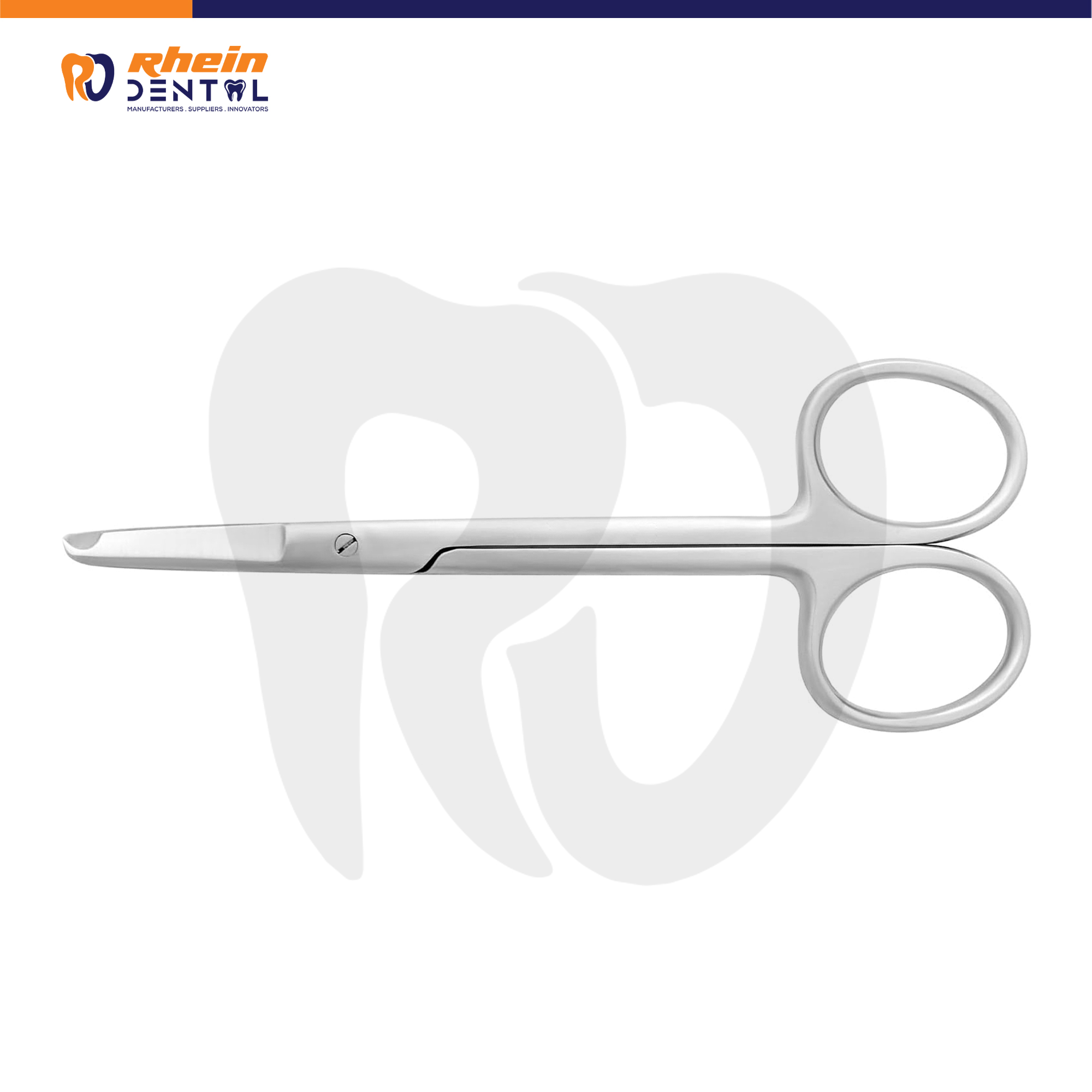
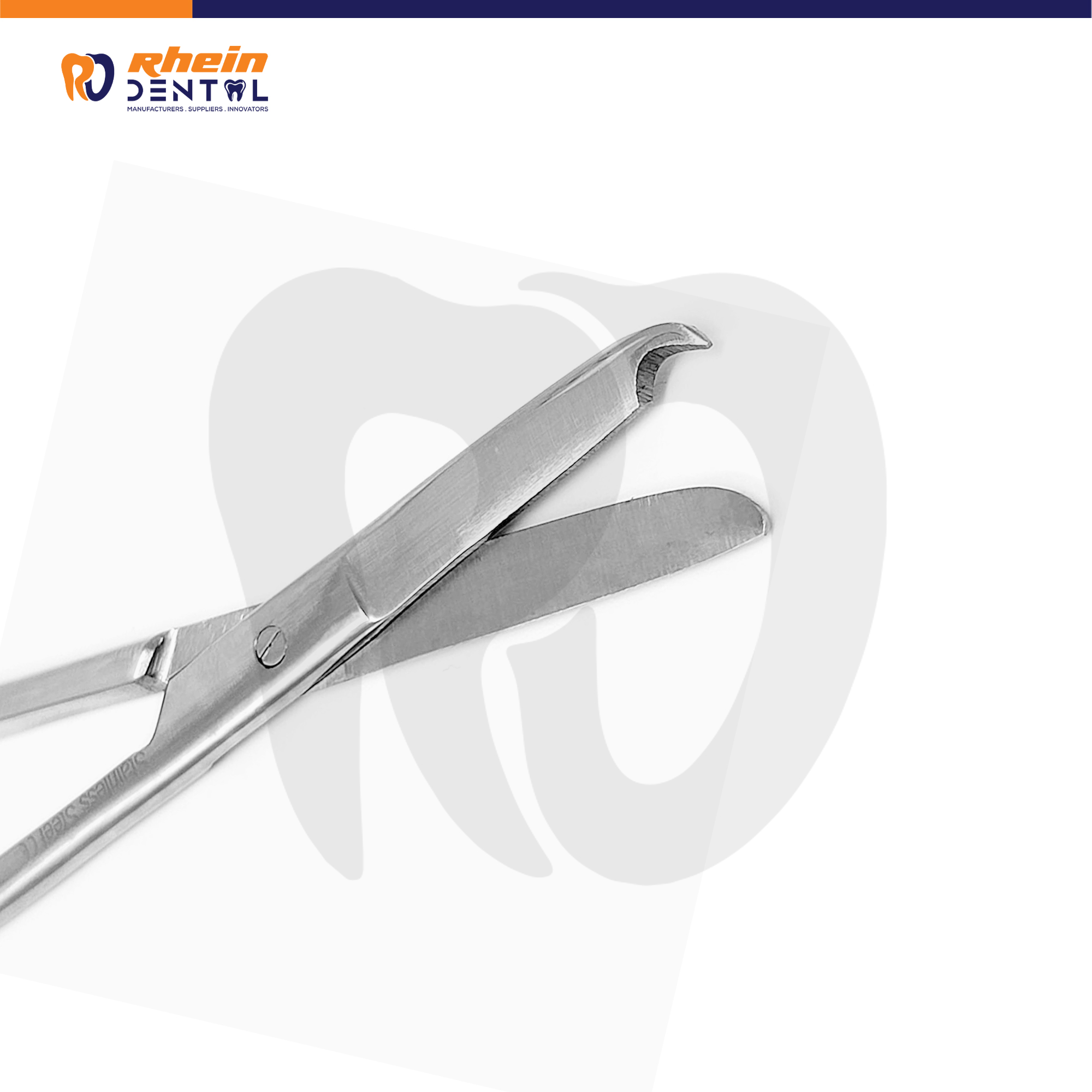
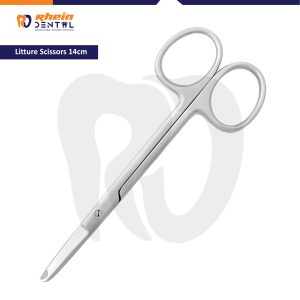
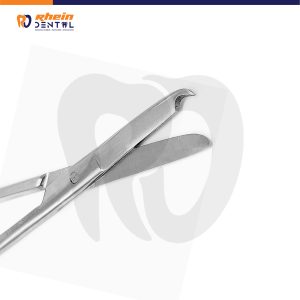
Litture Stitch Scissors let you remove sutures in one controlled motion, because the hooked tip on the upper blade catches the thread while the blunt lower blade glides along the tissue. Moreover, we kept the blades straight, so you see the cutting line from start to finish. As a result, you snip the stitch cleanly instead of pulling it through the wound.
Dentists, oral surgeons, and ward nurses rely on this pattern, since it handles both intraoral and skin sutures. In fact, the 14 cm length gives you a steady grip, while the ring handles keep your fingers clear of the working area. Therefore, you can finish a suture check quickly and autoclave the instrument before the next patient.
Specifications
Attribute | Detail |
|---|---|
| Length | 14 cm |
| Material | Stainless steel |
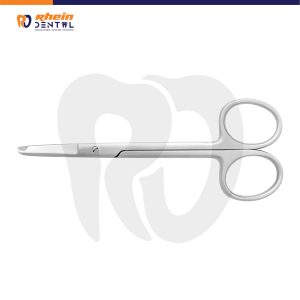
| Pattern | Litture (Littauer-type) stitch scissors |
| Blade Type | Straight blades |
| Tip Style | Hooked tip on one blade, blunt rounded tip on the other |
| Joint | Screw joint |
| Handle | Finger-ring handles, no ratchet lock |
| Finish | Satin matte |
| Sterilization Method | Steam autoclave |
| Reusable/Disposable | Reusable |
| Country of Manufacture | Pakistan |
| Certification | CE/ISO 13485 |
Clinical Applications
- Removing interrupted sutures after surgical tooth extraction
- Taking out stitches following dental implant placement
- Cutting sutures at free gingival graft donor and recipient sites
- Removing stitches after periodontal flap surgery
- Clearing sutures from minor facial and skin lacerations
Key Benefits / Real Differentiators
- Hooked upper tip: it lifts the suture knot clear of the tissue, so you cut the thread rather than the gingiva.
- Blunt lower blade: the rounded tip slides under the stitch without catching the surrounding tissue.
- Screw joint: you can tighten or service the pivot, which extends the instrument’s working life.
- 14 cm stainless steel body: it tolerates repeated steam cycles at 121–134 °C, and the satin finish cuts glare under the operatory light.
Ideal For
- Oral and maxillofacial surgeons handling post-extraction and implant reviews
- Periodontists removing graft and flap sutures
- General dental practices running suture-removal appointments
- Nursing staff in post-operative wards and dressing rooms
- Dental college clinics that teach suture handling
FREQUENTLY ASKED QUESTIONS
Yes, “Litture” is a common catalog spelling of the Littauer stitch scissors pattern. In contrast to iris scissors, which cut general tissue, this pattern has a hooked tip made to get under a stitch.
You clean them, place them in a pouch or cassette, and run a steam autoclave cycle. Moreover, dry them fully afterward, since moisture speeds up wear on the screw joint.
Yes. Because the hooked tip catches the thread and the blunt blade protects the tissue, you can use them on both. However, follow your clinic’s protocol for each site.
Yes. The stainless steel body handles repeated sterilization cycles, and as a result the scissors stay in service for years with routine care.