
Successful healing after extractions, implant placement, or periodontal surgery starts with one critical step: thorough degranulation. Removing infected, inflamed, or necrotic tissue from a socket or lesion site ensures a clean biological environment for regeneration. The choice of instrument—particularly sharp vs. blunt curettes—plays a major role in how effectively and safely this is achieved.
This guide breaks down when and why to use each type, helping clinicians refine technique and outcomes.
What Is Degranulation in Dentistry?
Degranulation refers to the removal of granulation tissue, debris, and pathological remnants from a surgical site. It is commonly required in:
- Post-extraction socket cleaning
- Removal of cystic or inflammatory lesions
- Periodontal defect debridement
- Pre-implant site preparation
The goal is to create a clean, bleeding surface that supports clot formation and tissue regeneration.
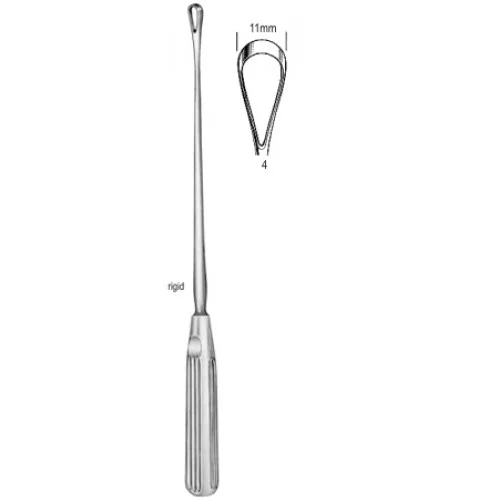
Understanding Curettes: Sharp vs. Blunt
Curettes used for degranulation generally fall into two categories:
Sharp Curettes
These instruments feature finely honed cutting edges designed to engage and remove tissue efficiently.
Key Characteristics:
- Thin, sharp working edge
- High cutting efficiency
- Precise tactile feedback
Blunt Curettes
Blunt curettes have rounded or dull edges, designed more for gentle scraping and exploration rather than cutting.
Key Characteristics:
- Rounded working end
- Less aggressive tissue removal
- Reduced risk of over-instrumentation
Sharp Curettes: Precision and Efficiency
Sharp curettes are the go-to choice for active lesion removal and dense tissue debridement.
Advantages
1. Effective Removal of Granulation Tissue
Sharp edges easily engage soft, inflamed tissue, allowing for complete degranulation in fewer strokes.
2. Better Access to Fibrous Lesions
In chronic cases where tissue becomes fibrotic, sharp curettes provide the cutting शक्ति needed to remove resistant deposits.
3. Improved Surgical Speed
Because they cut efficiently, procedures can be completed faster—reducing chair time and operator fatigue.
Considerations
- Higher risk of removing healthy tissue if not controlled
- Requires proper sharpening and maintenance
- Demands refined tactile sensitivity
Blunt Curettes: Control and Safety
Blunt curettes are ideal for delicate areas and finishing stages of degranulation.
Advantages
1. Reduced Risk of Tissue Trauma
Blunt edges are less likely to damage healthy bone or soft tissue, making them safer near vital structures.
2. Better for Socket Inspection
They allow clinicians to feel irregularities without aggressively cutting, which is useful for final site evaluation.
3. Ideal for Thin Bone Areas
In regions with fragile cortical plates, blunt curettes help prevent unintentional bone removal.
Considerations
- Less effective for dense or fibrotic tissue
- May require more time for thorough cleaning
- Often used in combination with sharp instruments
Clinical Approach: When to Use Each
A balanced approach often delivers the best results.
Use Sharp Curettes When:
- Removing thick granulation tissue
- Managing infected or cystic lesions
- Debriding fibrous or chronic sites
Use Blunt Curettes When:
- Working near delicate anatomical structures
- Performing final socket inspection
- Refining and smoothing the surgical site
Combined Technique for Optimal Outcomes
In most clinical scenarios, the best practice is not choosing one over the other—but using both strategically:
- Start with a sharp curette to remove bulk granulation tissue
- Switch to a blunt curette for refinement and inspection
- Ensure a clean, bleeding socket without excessive trauma
This layered approach maximizes efficiency, safety, and healing potential.
Impact on Healing and Implant Success
Proper degranulation directly influences:
- Blood clot stability
- Reduction of संक्रमण risk
- Bone regeneration quality
- Long-term implant integration
Using the right curette at the right stage ensures the surgical site is biologically ready for healing or grafting.
Maintenance Matters
Regardless of type, curettes must be:
- Properly sterilized
- Regularly inspected
- Sharpened (for sharp curettes) to maintain effectiveness
A dull sharp curette performs worse than a well-used blunt one—instrument care is essential.
Final Thoughts
Curettes are simple tools—but their impact on surgical outcomes is significant. Understanding the difference between sharp and blunt edges allows clinicians to work with greater precision, confidence, and control.
In degranulation, it’s not about force—it’s about finesse. Choosing the right edge at the right moment can make all the difference between routine healing and exceptional results.