
Best Instruments for Pulpotomies in Children – Pediatric Pulpotomy Tools
Pediatric dentistry is all about preserving young smiles while ensuring comfort, safety, and efficiency during treatments. One of the most common procedures in children is the pulpotomy, a vital pulp therapy that helps save a primary tooth affected by caries or trauma. For pediatric dentists, choosing the right instruments can make all the difference between a smooth, successful pulpotomy and a stressful one.
In this post, we’ll explore the best instruments for pulpotomies in children and why they’re essential in modern pediatric practice.
What is a Pulpotomy?
A pulpotomy involves removing the infected coronal portion of the pulp while preserving the vitality of the radicular pulp. The procedure not only relieves pain but also maintains the tooth until it naturally exfoliates, protecting arch integrity and proper occlusion.
Since children may already be anxious about dental visits, the tools used must be efficient, child-friendly, and capable of minimizing chair time.

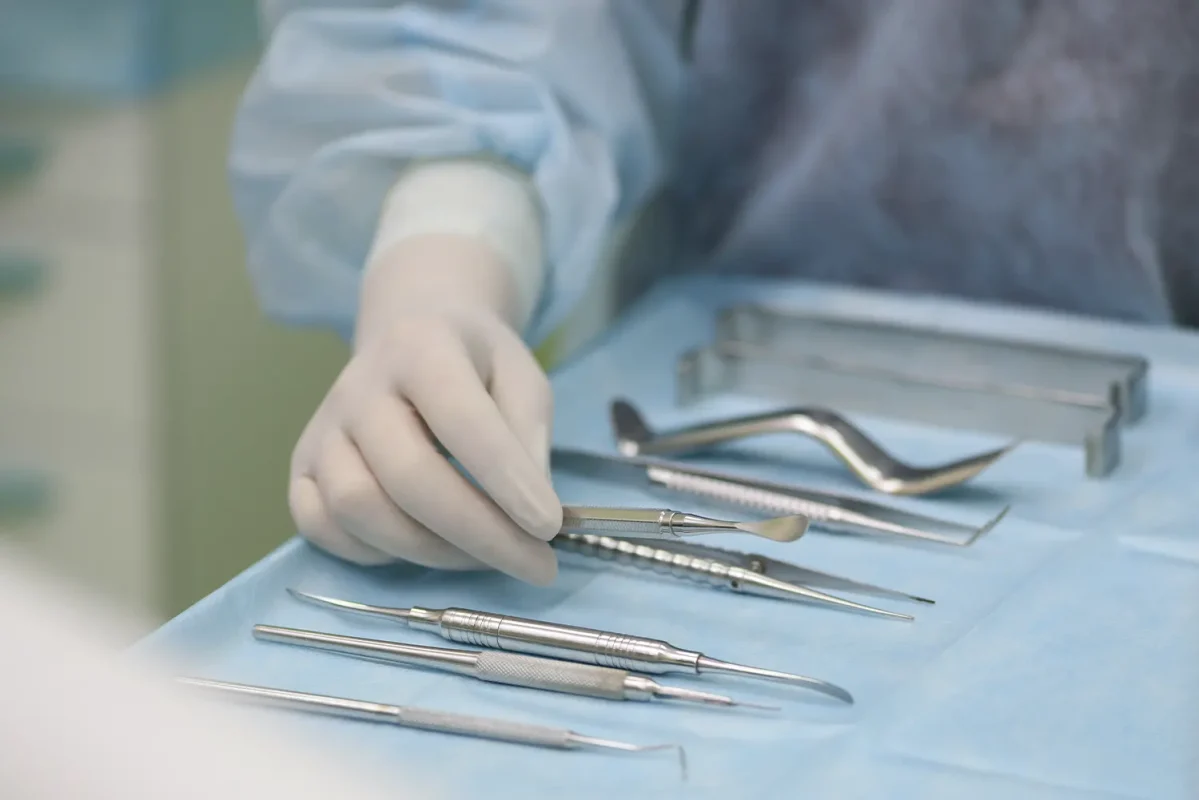
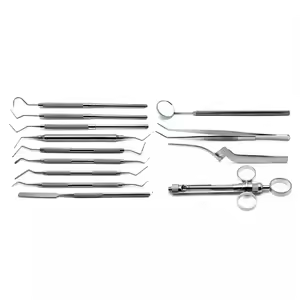
Essential Instruments for Pediatric Pulpotomy
1. Basic Examination Kit
- Mouth Mirror – Provides visibility in small oral cavities.
- Explorer/Probe – Helps detect carious lesions and check pulp exposure.
- Cotton/College Tweezers – Essential for handling cotton pellets and medicaments.
A reliable diagnostic set ensures precision before and during the procedure.
2. Local Anesthesia Syringe
- A lightweight, ergonomic syringe reduces operator fatigue.
- Short, fine-gauge needles (27–30G) are preferred for comfort in children.
Atraumatic anesthesia delivery is key to building trust with young patients.
3. High-Speed Handpiece with Burs
- Round Carbide Bur (No. 330/245) – For caries removal and access cavity preparation.
- Sterile Burs – Ensures asepsis and efficiency.
Controlled cutting reduces heat generation and accidental pulp trauma.
4. Spoon Excavator
- Specially designed for removing soft, carious dentin from the pulp chamber.
- Pediatric-sized excavators make access easier in small mouths.
5. Sterile Cotton Pellets & Carriers
- Used to achieve hemostasis and apply medicaments.
- Cotton pellet carriers prevent cross-contamination.
6. Pulpotomy Medicament Applicators
- Microbrushes or Applicator Sticks – For placing formocresol, ferric sulfate, MTA, or Biodentine precisely.
- Prevents wastage and improves accuracy.
7. Hemostasis Instruments
- Sterile cotton pellets with pressure are the traditional choice.
- Some clinicians also use hemostatic pluggers for controlled pressure.
8. Material Placement Instruments
- Amalgam Carrier/Composite Gun – Depending on the final restoration.
- Plastic Filling Instruments/Spatulas – For glass ionomer cement (GIC), IRM, or resin-modified bases.
9. Crown Instruments (for Stainless Steel Crowns)
- Crown Scissors – For trimming SSCs to proper length.
- Crown Crimping Pliers – Ensures snug margins.
- Burnishers – Adapt crown edges for comfort and retention.
A pulpotomy in a primary molar is often followed by SSC placement to ensure longevity.
Advanced/Optional Tools for Efficiency
- Rubber Dam Kit for Children – Improves isolation and patient safety.
- Laser or Electrosurgical Units – For pulpotomy in selected cases, offering precision and minimal bleeding.
- Magnification Loupes – Enhance visibility in small operative fields.
Final Thoughts
A successful pediatric pulpotomy is not just about clinical skill—it’s also about using the right instruments to ensure accuracy, efficiency, and patient comfort. From basic diagnostic tools to specialized crown instruments, every piece plays a role in restoring function while keeping the child’s dental experience positive.
By investing in high-quality pediatric pulpotomy tools, dentists can provide smoother treatments, better outcomes, and ultimately help children maintain healthy, happy smiles.