Can You Use the Same Tools for Teens and Toddlers? – Understanding Age-Appropriate Dental Instruments
When it comes to dental care, one size definitely doesn’t fit all — especially when comparing toddlers to teenagers. While both groups need proper oral hygiene and regular dental visits, the tools used for each age group are carefully designed to match their developmental stage, comfort level, and safety needs.
So, can you use the same dental instruments for teens and toddlers? (Age-appropriate dental instruments). Let’s explore why that’s not a good idea and what makes age-appropriate dental tools so important.
Why Age Matters in Dental Care
A toddler’s mouth is still growing, with developing teeth, soft gums, and a smaller oral cavity. Teenagers, on the other hand, have a nearly adult-sized mouth, permanent teeth, and more complex dental needs — such as orthodontic adjustments or wisdom teeth monitoring.
Because of these differences, (Age-appropriate dental instruments) dental professionals use specific instruments suited to each age group to ensure gentle, effective, and safe treatment.
Dental Instruments for Toddlers: Gentle and Small
Dental tools for toddlers are designed with comfort and safety as top priorities. They’re typically:
- Smaller and lighter: Mini-sized mirrors, explorers, and toothbrushes make it easier to maneuver in little mouths.
- Soft and flexible: Materials are gentler on developing gums and enamel.
- Colorful and non-threatening: Fun designs and bright colors help reduce fear and anxiety.
- Low-pressure and vibration-free: Tools are quieter and less intimidating to help toddlers feel relaxed.
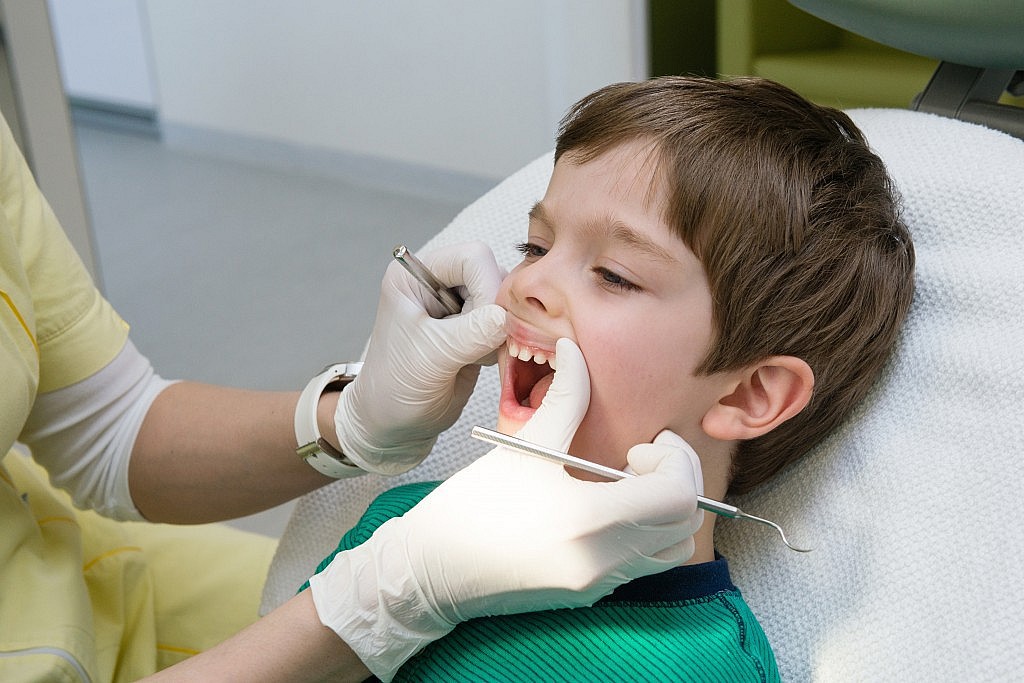
Common toddler-specific instruments include small rubber cup polishers, pediatric mirrors, and baby-friendly toothbrushes with soft bristles.
Dental Instruments for Teens: Precision and Performance
Teenagers often require more detailed dental care — cavity fillings, braces adjustments, or even preventive scaling. Their tools are more advanced, including:
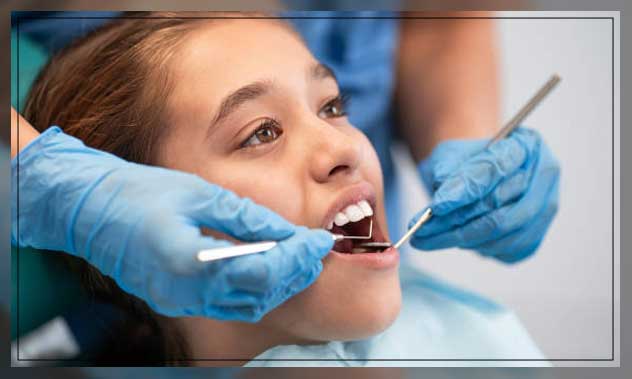
- Standard-sized mirrors and explorers for better access to all tooth surfaces.
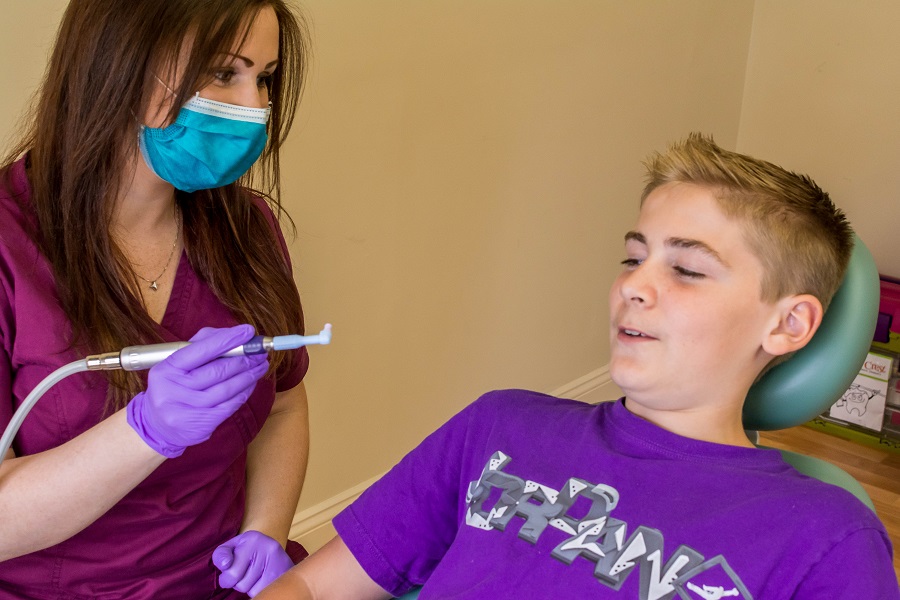
- Ultrasonic scalers to remove plaque and tartar more efficiently.
- Orthodontic instruments for managing braces and retainers.
- Fluoride trays and polishing tools suited for permanent teeth.
For teens, instruments are chosen to balance comfort with precision, supporting long-term dental health as their adult teeth settle in.
The Risks of Using the Wrong Tools
Using tools designed for adults or teens on toddlers (or vice versa) can cause discomfort, injury, or even fear of the dentist. Improper tools may:
- Damage sensitive gums or enamel
- Cause pain due to improper fit or pressure
- Lead to ineffective cleaning or missed spots
- Increase dental anxiety, especially in young children
That’s why pediatric dentists invest in specialized instruments and child-friendly techniques.
Choosing the Right Dental Tools at Home
Parents can also make age-appropriate choices for daily dental care:
- Toddlers: Use a small, soft-bristled toothbrush and a pea-sized amount of fluoride toothpaste.
- Teens: Choose brushes and floss designed for braces or crowded teeth if applicable, and consider using an electric toothbrush for deeper cleaning.
Encouraging proper brushing habits early helps children transition smoothly to more advanced tools as they grow.
Final Thoughts
So, can you use the same dental tools for teens and toddlers? Absolutely not.
Each age group has unique oral health needs that require carefully chosen instruments for safety, comfort, and effectiveness. Pediatric and family dentists understand this distinction and tailor their approach accordingly — ensuring every smile, big or small, receives the care it deserves.