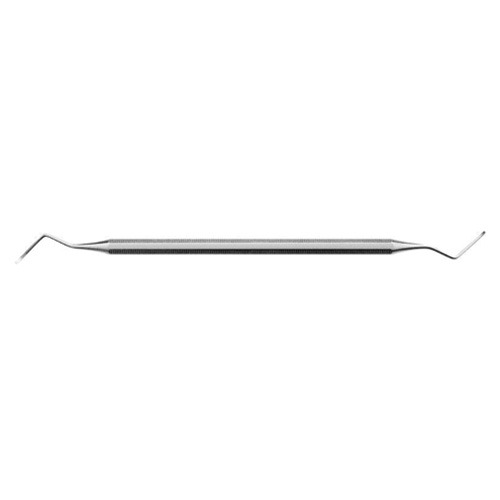
Explorer and Excavator Use in Endodontics – Endodontic Explorer Tools
In endodontic treatment, accuracy and tactile sensitivity are vital for success. Two of the most essential hand instruments that help clinicians locate, assess, and clean root canals are the endodontic explorer and the excavator. Though small and simple in design, these tools play a major role in achieving precision during diagnosis and treatment.
What is an Endodontic Explorer?
An endodontic explorer is a fine, sharp-tipped instrument used primarily to locate canal orifices during root canal therapy. Its long, slender working ends provide exceptional tactile feedback, allowing clinicians to feel the openings and subtle variations on the pulp chamber floor.
Common explorer types include:
- DG16 Explorer: The most widely used in endodontics, featuring a double-ended, right-angled design for maximum access and visibility.
- EXD11/12 Explorer: Designed for enhanced tactile sensation and accessibility in posterior teeth.
Uses of the Endodontic Explorer
- Locating Canal Orifices:
Helps identify hidden or calcified canals that may not be visible even under magnification. - Evaluating Access Cavity Walls and Floors:
Detects irregularities, grooves, and openings to ensure proper shaping. - Assessing Restoration Margins:
Checks for secondary caries or marginal gaps before beginning endodontic procedures. - Tactile Exploration:
Provides sensory feedback to guide the clinician through the pulp chamber with minimal tissue loss.
What Is an Excavator in Endodontics?
An excavator is another hand instrument with a spoon-shaped working end, used to remove soft carious dentin, pulp tissue, and debris from the access cavity. Unlike the explorer, which is diagnostic, the excavator is operative, designed for cleaning and shaping preparation.
Uses of the Excavator
- Removing Pulp Tissue and Debris:
Gently lifts necrotic or vital pulp remnants before canal instrumentation. - Cleaning the Access Cavity:
Ensures a clear working field by eliminating loose tissue or caries. - Refining Access Preparation:
Helps smoothen cavity walls, reducing the risk of contamination. - Assisting in Pulp Chamber Debridement:
Works in combination with irrigants and barbed broaches for thorough cleaning.
Advantages of Using Explorer and Excavator in Endodontics
- Enhanced Precision: Allows accurate identification of canal openings.
- Improved Tactile Feedback: Ensures delicate handling of tooth structures.
- Efficient Debridement: Supports better cleaning before rotary or hand filing.
- Cost-Effective and Simple: Essential tools that require minimal maintenance.
Precautions and Maintenance
- Always sterilize instruments before and after use.
- Avoid excessive pressure to prevent tip bending or breakage.
- Replace worn or dull instruments regularly to maintain accuracy.
Modern Significance in Endodontics
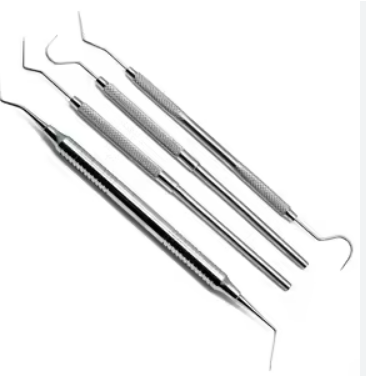
With advancements like operating microscopes and digital imaging, traditional hand instruments like explorers and excavators still hold great value. They provide tactile control and diagnostic sensitivity that even advanced devices can’t fully replace. In combination with modern endodontic tools, they ensure thorough and safe canal preparation.

Conclusion
Both the endodontic explorer and excavator are indispensable instruments that support every stage of root canal therapy — from access opening to cleaning. Their precision , simplicity and tactile efficiency make them essential tools for every endodontist aiming for predictable and successful outcomes.