
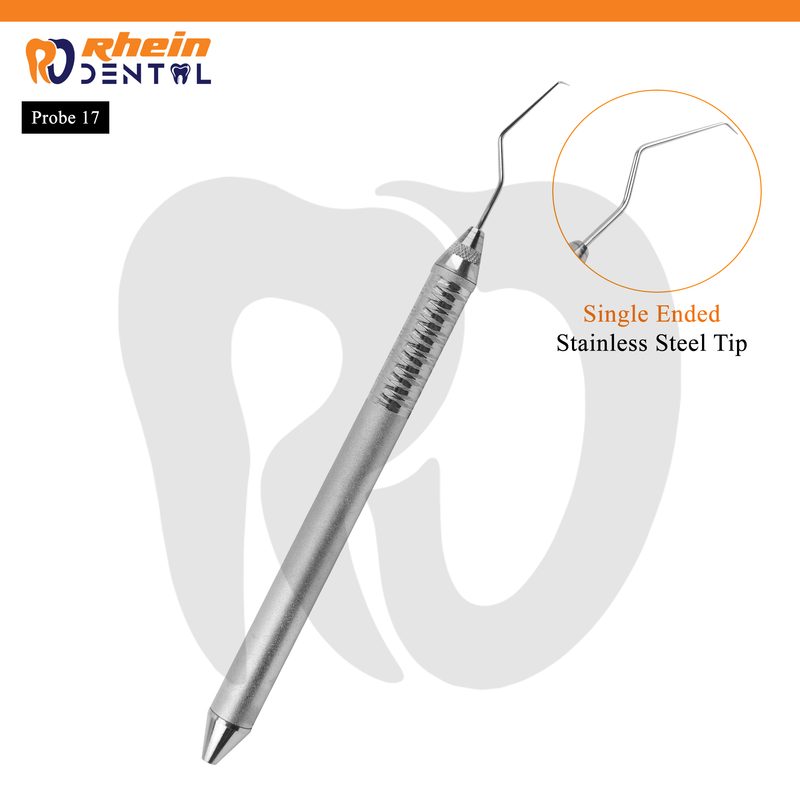
This two-part blog explores the foundational role of dental probes in periodontal examination, then dives into a focused comparison of the two dominant probe design philosophies graduated marking systems and color-coded systems evaluating each across the critical dimensions of precision, usability, and clinical outcomes (Dental Probes Periodontal Examination). Periodontal disease remains one of the most […]
Author Archives: Abdul Mateen
Orthodontic Instruments Blog
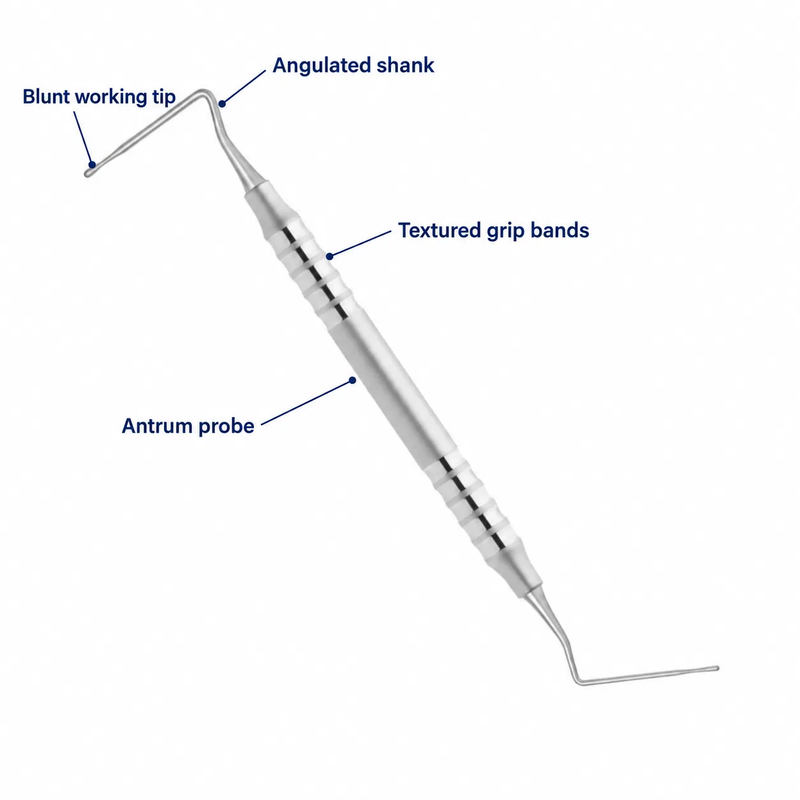
Antrum Probes in Dental Surgery: Detecting Oroantral Sinus Communication with 14 cm Calibrated Instruments
26
Feb
Feb
Oroantral sinus communication (OAC) is a well-recognized complication in maxillary posterior dental procedures. Most commonly, it follows extraction of upper molars and premolars due to their close anatomical relationship with the maxillary sinus. Therefore, early detection is essential to prevent infection, chronic sinusitis, and long-term patient discomfort. In this context, the 14 cm calibrated antrum […]
Surgical Instruments Blog
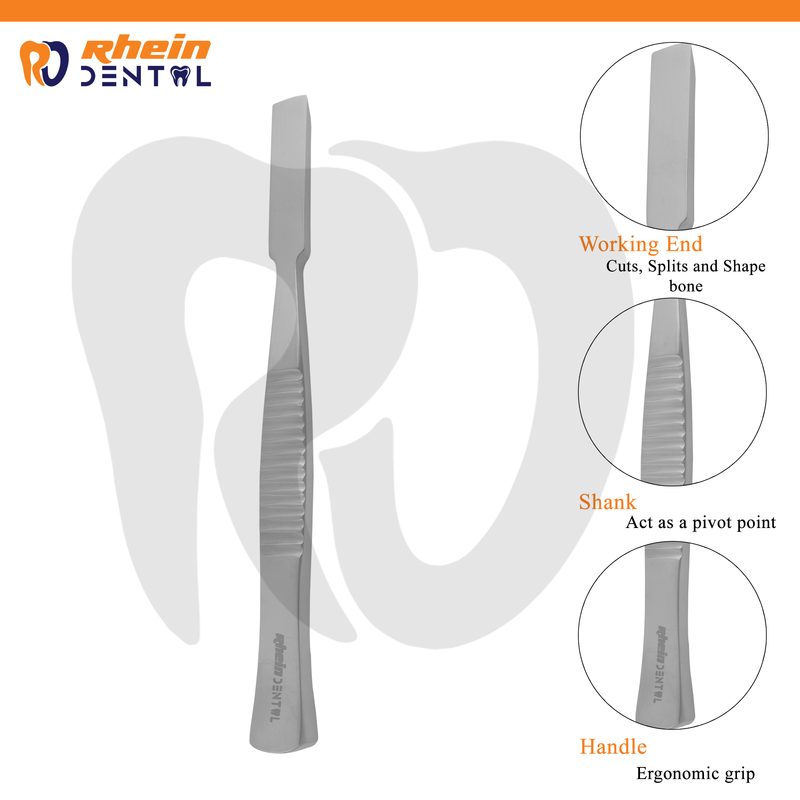
Angular Osteotome Diameter Guide: Choosing Between 3.3mm, 4mm, and 5mm for Sinus Lift Success
23
Feb
Feb
Introduction The angular osteotome is indispensable in sinus lift procedures condensing bone, elevating the Schneiderian membrane, and preparing implant sites atraumatically. But diameter selection is one of the most critical decisions a clinician makes. Choosing between 3.3mm, 4mm, and 5mm is a clinical decision rooted in bone anatomy, implant size, and surgical goal not guesswork. […]
Introduction The periosteal elevator is one of the most critical yet overlooked instruments in oral surgery. Its role lifting and retracting the periosteum without tearing delicate tissue depends entirely on its condition. Proper maintenance of its beveled edges, blade contours, and handle integrity is not just about instrument longevity; it is a direct patient safety […]
Introduction Periosteal elevation is one of the most foundational steps in oral and maxillofacial surgery. The periosteum is thin, firmly attached, and unforgiving a poorly designed blade can tear the flap, compromise blood supply, and trigger complications throughout the entire procedure. At the center of successful elevation is one overlooked variable: blade thickness. Understanding the […]
Introduction In oral and maxillofacial surgery, the tools a surgeon holds matter as much as the techniques they use. As surgical cases grow longer and more complex, one question has risen to the forefront: how do we protect the surgeon’s hands without compromising precision? The answer lies in ergonomic handle design — and it is […]
Successful oral and maxillofacial surgery depends heavily on precise soft tissue management. Among the most essential instruments for flap reflection and periosteal elevation are periosteal elevators. However, clinicians often face a key decision: Should you use a fine, beveled-edge sharp periosteal elevator or a rounded, paddle-shaped blunt periosteal elevator (Sharp vs blunt periosteal elevators)? Understanding […]
Introduction Choosing the wrong periosteal elevator slows procedures, tears tissue, and compromises the surgical field. The core design decision comes down to two options a tapered sharp blade or a broad blunt edge. Both reflect the mucoperiosteal flap, but each excels in very different clinical conditions. Understanding their structural differences helps surgeons choose faster, work […]
Introduction Flap reflection demands precision and efficiency. A poor instrument increases procedure time, risks tearing the flap, and stresses both surgeon and patient (Allen Periosteal Elevator Fig. 9A). The Allen Periosteal Elevator Fig. 9A solves these challenges through three key structural features a tapered blade, a beveled edge, and a double-ended design making it a […]
Introduction In microsurgery, the margin for error is practically nonexistent. Surgeons performing delicate corneal repairs or vitreoretinal procedures need instruments that deliver uncompromising accuracy, control, and durability. Naturally, not all micro needle holders meet this standard. Rhein Medical’s Arruga Micro Needle Holder has earned its reputation as a gold standard in ophthalmic surgery. So, what […]