
Precision in orthodontics and dental lab work often comes down to the smallest details—especially when forming loops in wires. Whether you’re adjusting appliances, crafting retainers, or fabricating custom components, the type of pliers you use directly affects the accuracy, consistency, and strength of your loops (Bird Beak vs Three-Prong pliers). Among the most commonly used […]
Category Archives: Orthodontic Instruments Blog
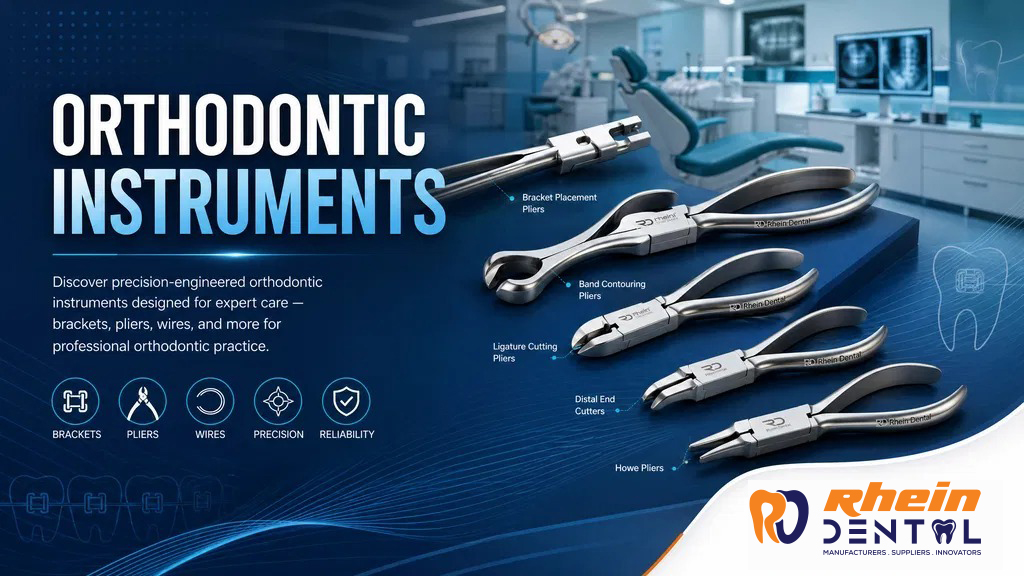
Explore in-depth guides on orthodontic instruments, dental braces tools, and orthodontic equipment used across general orthodontics, pediatric orthodontics, and clear aligner therapy. This blog covers everything from brackets, archwires, pliers, and ligature tools to band pushers and bonding instruments with detailed comparisons of materials, grades, and brands. Learn proper sterilization techniques, instrument maintenance, and storage best practices to extend tool life and ensure patient safety. Stay updated with the latest innovations in orthodontic instrument technology, buying guides for clinics and orthodontic practices, and expert tips trusted by orthodontists, dental professionals, and medical suppliers worldwide.
Dental mirrors are essential tools for visibility, precision, and patient care. However, not all mirrors offer the same optical performance. One important distinction lies in whether the mirror uses a front surface or back surface reflective design. Understanding the difference can help dental professionals choose the right mirror for clearer clinical outcomes (Front Surface vs […]
At Rhein Dental, quality is the foundation of everything we do. Founded in 1987 and headquartered in Sialkot, Pakistan, we have spent more than 35 years manufacturing dental instruments trusted by professionals worldwide (Rhein Dental quality inspection process). Who Is Rhein Dental? To maintain this trust, every instrument goes through a strict three-step quality control […]
Suction tips are essential in every dental and surgical setting. They help maintain a clear working field by removing saliva, blood, water, and debris during procedures. When choosing suction tips, one common question is whether metal or plastic tips are the better option. Both materials have their benefits, but the right choice depends on your […]
Dental mirrors are one of the most frequently used instruments in every dental practice. While the mirror head often gets the attention, the handle and mounting system play an equally important role in comfort, visibility, and efficiency. Choosing between cone socket and thread mount systems can affect how smoothly procedures are performed. In this guide, […]
Implant Drivers: Hex vs. Square Drive Systems and Torque Transfer Efficiency Introduction Implant drivers are essential tools in dental implantology, enabling precise placement and secure tightening of implants. Among the various designs, hex and square drive systems are the most common. Each system affects torque transfer efficiency, handling, and long-term stability differently. Understanding these differences […]
Tungsten Carbide Scissor Blades: How They Maintain Sharpness 3X Longer Than Standard Steel In precision-driven industries like dentistry, surgery, and laboratory work, the performance of cutting instruments directly impacts outcomes. One innovation that has significantly elevated cutting efficiency and durability is the use of tungsten carbide scissor blades. Known for their exceptional hardness and wear […]
Towel Clamps in Sterile Field Management: Pointed vs. Ball-Tipped Designs In any surgical or clinical setting, maintaining a sterile field is non-negotiable. Even a minor lapse can increase the risk of infection, compromise patient safety, and affect procedural outcomes. Among the essential tools that help ensure sterility, towel clamps play a critical yet often overlooked […]
Kelly vs. Crile Hemostats: Length and Jaw Design Differences in Bleeding Control In surgical and dental procedures, effective bleeding control is essential for precision, visibility, and patient safety. Two of the most commonly used instruments for this purpose are Kelly and Crile hemostats. Although they look similar, their jaw design and length differences make them […]
Getting surgical bur speed and torque settings right is one of the most overlooked factors in successful bone-cutting procedures. Set the RPM too high, and friction can overheat the bone before you even notice. Set it too low, and you risk excessive pressure, poor control, and prolonged procedure time. This guide breaks down practical RPM […]