

Why Surgeons Use the Molt M9 Periosteal Elevator Dental Instrument
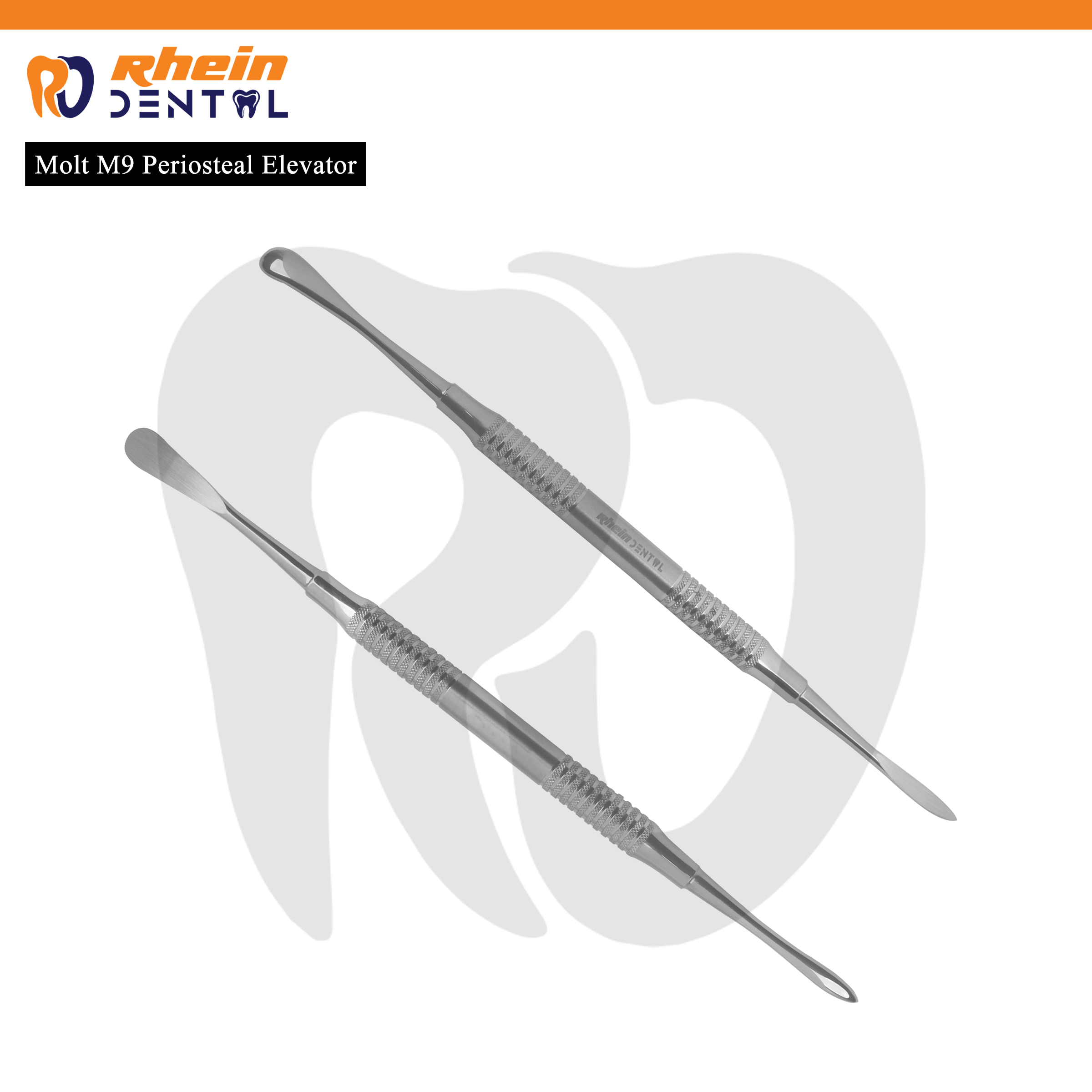
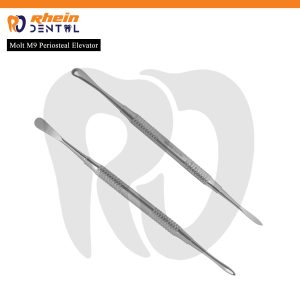
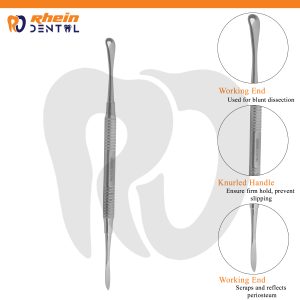
The Molt M9 periosteal elevator dental instrument gives you two blade profiles on one stainless steel handle. Because surgeons must lift the periosteum cleanly before they cut, drill, or extract, we built each end for a different job. Moreover, the knurled grip keeps the handle steady in gloved hands.
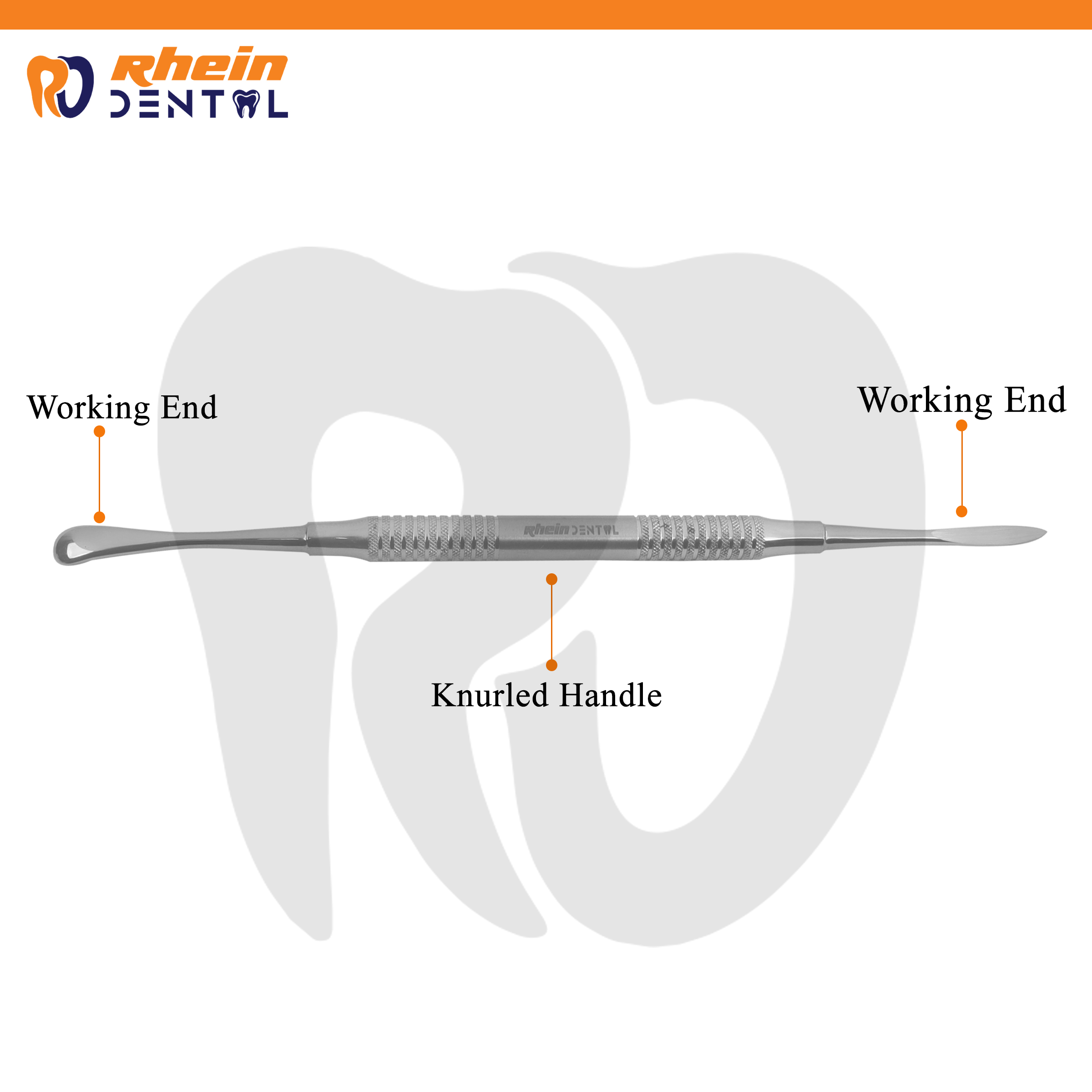
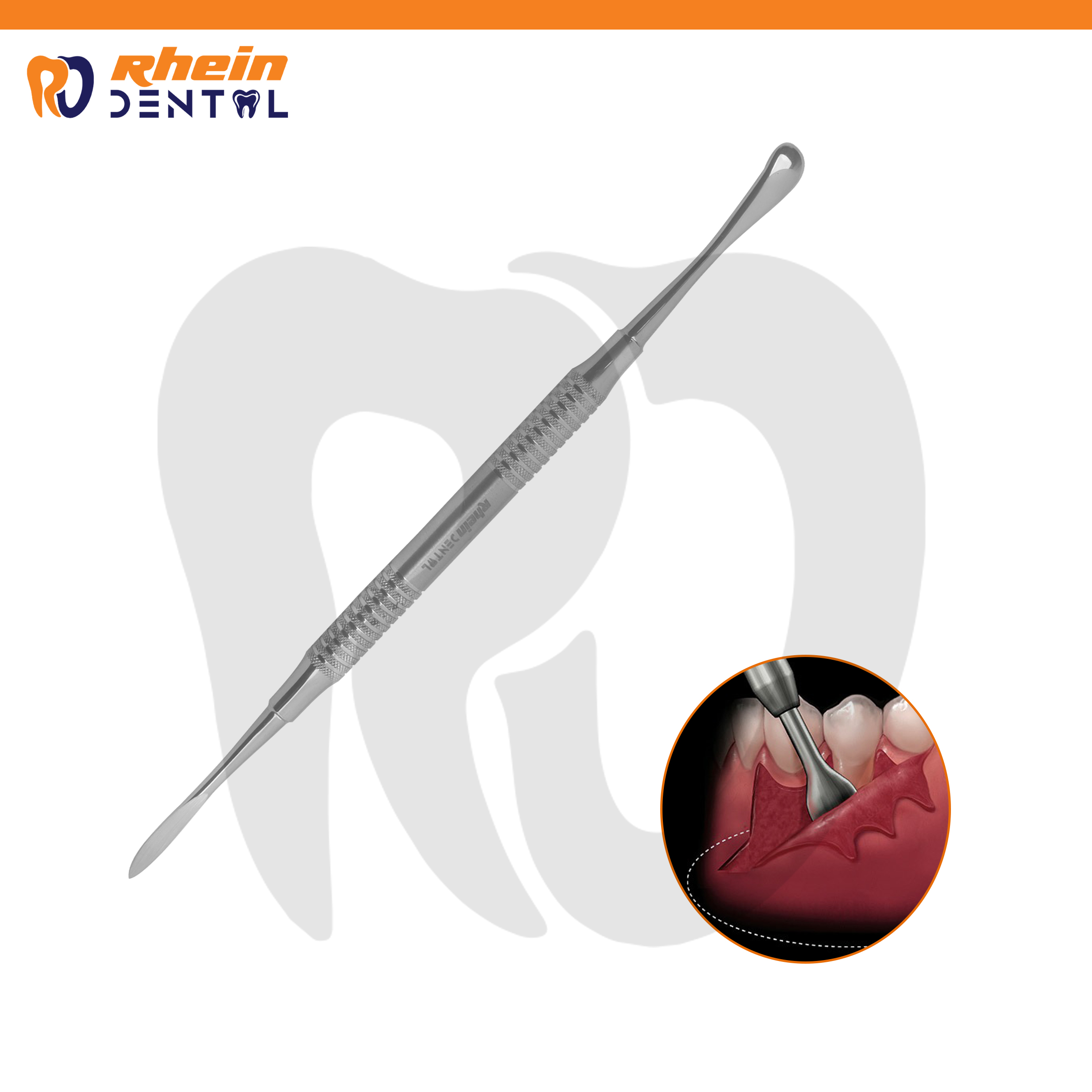
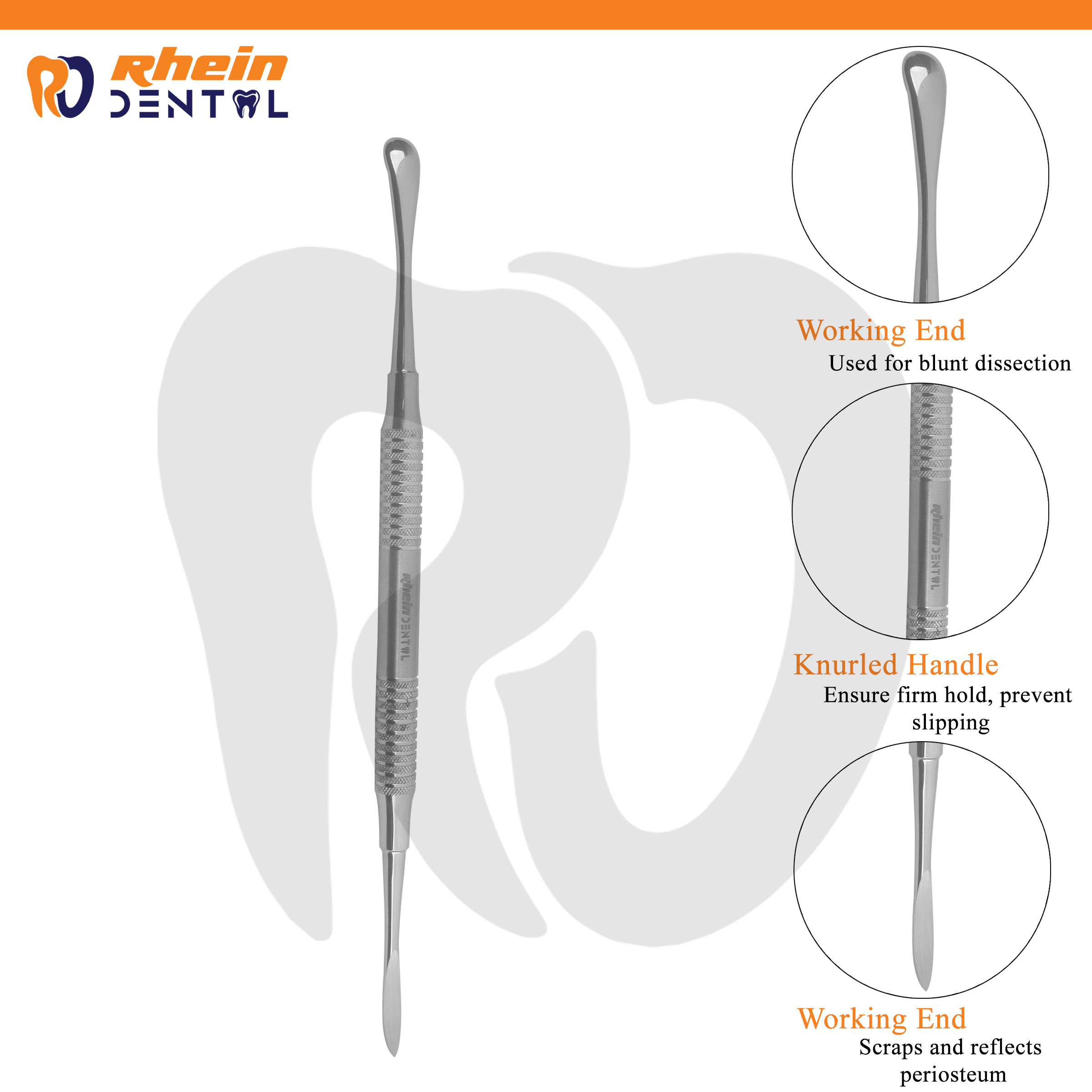
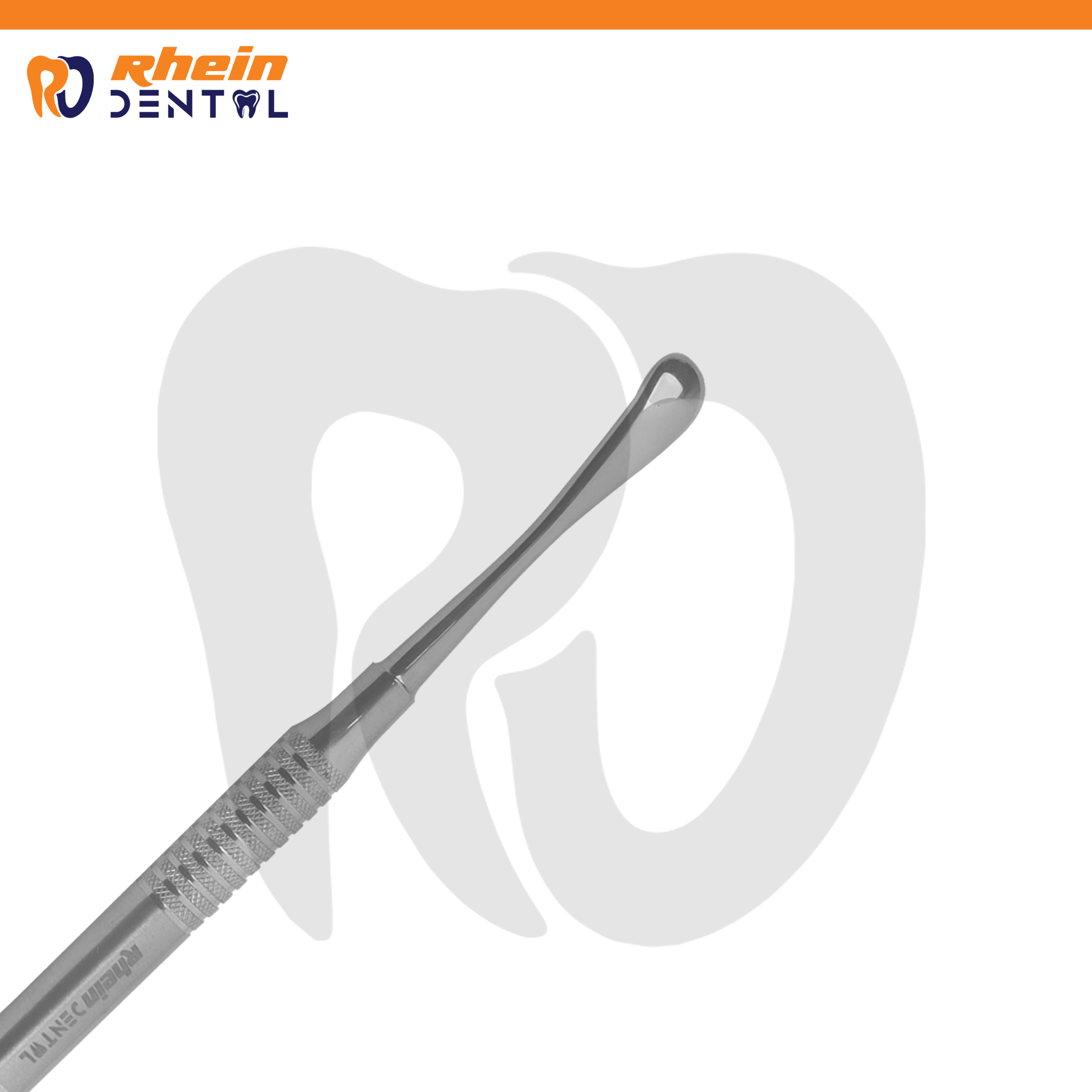
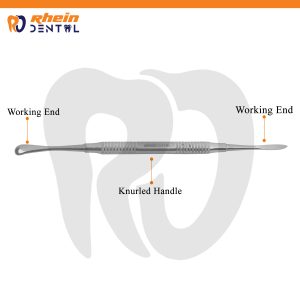
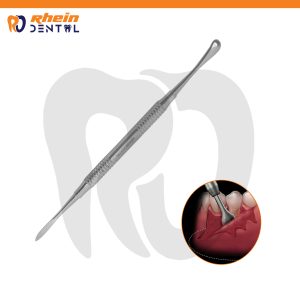
The rounded, spoon-shaped end performs blunt dissection, so it separates soft tissue without a sharp edge. In contrast, the narrow pointed end scrapes and reflects periosteum from bone. As a result, you move from soft-tissue release to flap lifting without swapping instruments. Rhein Dental manufactures the M9 in Pakistan under CE and ISO certification.
Specifications
Attribute | Detail |
|---|---|
| Pattern / Model | Molt M9 (Molt 9) |
| Instrument Type | Double-ended periosteal elevator (dental gingival and gum flap elevator) |
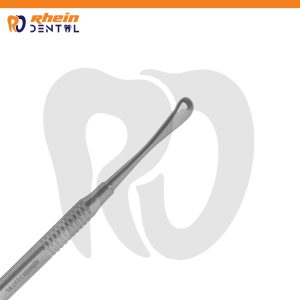
| Working End 1 | Rounded, spoon-shaped blade for blunt dissection |
| Working End 2 | Narrow, pointed, spatula-style blade for scraping and reflecting periosteum |
| Edge Profile | Smooth, non-serrated (not a toothed elevator) |
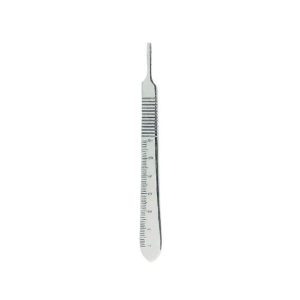
| Handle | Round, with two knurled grip zones flanking a smooth central band |
| Handedness | Symmetrical; no left or right version |
| Finish | Satin (matte) |
| Marking | Rhein Dental logo marked on the central band |
| Reusable / Disposable | Reusable |
| Country of Manufacture | Pakistan |
| Certification | CE and ISO |
Clinical Applications
- Mucoperiosteal flap reflection before simple and surgical tooth extraction
- Surgical removal of impacted third molars
- Flap elevation for dental implant placement and ridge preparation
- Apicectomy (periapical surgery) access
- Crown lengthening and periodontal flap surgery
How to Use a Periosteal Elevator in Dental Surgery
- Hold the handle with a modified pen grasp and rest a finger on a stable tooth or bone surface.
- Insert the pointed end at the incision line, beside the papilla.
- Keep the blade against bone and lift the periosteum with short, controlled strokes.
- Switch to the rounded end to widen the flap and dissect soft tissue bluntly.
- Retract the flap gently, since over-stretching damages the tissue.
Key Benefits and Real Differentiators
- Two blade shapes, one instrument: a rounded blunt-dissection blade and a pointed reflecting blade take one tray slot instead of two.
- Two knurled grip zones: one sits near each end, so your fingers get a textured hold whichever end you use.
- Satin stainless steel finish: it limits mirror-like glare under operatory lighting.
- Smooth, non-serrated edges: they separate tissue without cutting it.
Ideal For
- Oral and maxillofacial surgeons
- Periodontists performing flap and crown-lengthening surgery
- Implantologists raising flaps for fixture placement
- Endodontic surgeons performing apicectomies
- Dental college surgical labs and hospital dental operating theatres
FREQUENTLY ASKED QUESTIONS
What is the difference between a periosteal elevator and a dental elevator?
- A periosteal elevator lifts the gum and periosteum off bone, so you use it before extraction or bone work.
- A dental root elevator luxates a tooth or root from its socket. Common types include the Coupland (straight chisel), Bein (straight root-tip), Warwick James (curved), and Cryer or East-West (triangular, for fractured roots), which come in left and right pairs. Luxators also exist, and their thin blades sever the periodontal ligament.
- The Molt M9 belongs to the first group. It does not replace the root elevators in your extraction set, and the two groups complement each other.
How does the Molt M9 compare with Prichard and Buser patterns?
- Prichard and Buser are separate periosteal elevator patterns, each with its own blade shapes. The M9 pairs a rounded spoon end with a pointed reflecting end.
- Some elevators have serrated “teeth” for grip. The M9 has smooth edges, so it elevates tissue without scoring it.
- Compare blade dimensions before you substitute one pattern for another.
Can I sterilize and reuse it?
- Yes. The M9 is reusable stainless steel, and we recommend cleaning it and then running a steam autoclave cycle.
- Follow the instructions for use for exact parameters.
Is it available in a kit or tray, and can veterinary clinics use it?
- We can supply it alongside root elevators and forceps as a dental elevator kit or tray. Pricing depends on quantity, so please request a quote.
- Veterinary clinics sometimes use periosteal elevators for flap work, but confirm that the blade size suits the patient.