
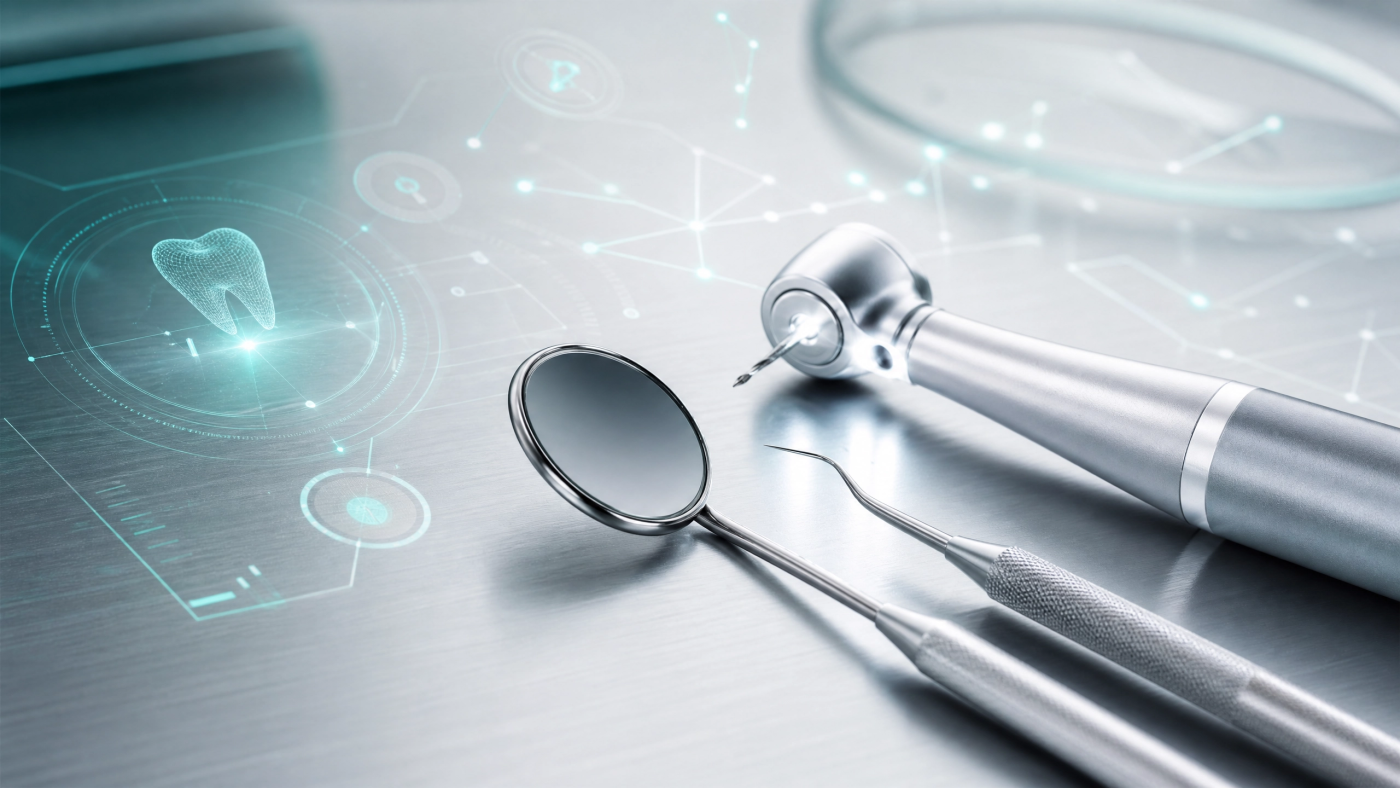
Selecting the right dental instruments is one of the most important decisions for any dental practice. Whether you’re opening a new clinic, upgrading your instrument kits, or replacing worn tools, investing in high-quality dental instruments directly impacts treatment accuracy, clinician comfort, patient safety, and long-term operating costs.
In 2026, modern dentistry demands more than simply purchasing stainless steel instruments. Clinics are increasingly focused on durability, ergonomics, infection control, precision engineering, and compliance with evolving sterilization standards. From routine examinations and restorative procedures to oral surgery, periodontics, and orthodontics, every specialty requires instruments designed for specific clinical tasks.
This comprehensive guide explains how to choose the right dental instruments for your practice, what features matter most, common mistakes to avoid, and how to build a reliable instrument inventory that delivers consistent performance for years to come.
Why Choosing the Right Dental Instruments Matters
Dental instruments are extensions of the clinician’s hands. The quality, balance, and design of every instrument influence visibility, tactile sensitivity, treatment efficiency, and patient comfort.
Poor-quality instruments often result in:
- Reduced precision during treatment
- Faster instrument wear
- Increased hand fatigue
- Longer procedure times
- Higher maintenance costs
- More frequent replacements
Premium dental instruments, on the other hand, provide cleaner procedures, greater durability, and improved overall workflow.
Factors to Consider Before Buying Dental Instruments
Rather than focusing solely on price, evaluate each instrument based on its intended clinical application and overall quality.
1. Clinical Specialty
Every dental discipline requires different instruments.
General Dentistry
Common instruments include:
- Mouth mirrors
- Dental probes
- Explorers
- College tweezers
- Excavators
- Composite placement instruments
Oral Surgery
Requires stronger instruments such as:
- Extraction forceps
- Dental elevators
- Bone files
- Surgical curettes
- Needle holders
- Surgical scissors
Periodontics
Specialized instruments include:
- Gracey curettes
- Universal curettes
- Scalers
- Periodontal probes
- Sickle scalers
Orthodontics
Frequently used instruments include:
- Ligature cutters
- Distal end cutters
- Bracket positioning tweezers
- Mathieu pliers
- Weingart pliers
Choosing instruments designed specifically for your specialty improves both efficiency and treatment outcomes.
2. Instrument Material
Material quality determines longevity and performance.
Stainless Steel
Most professional dental instruments are manufactured from high-grade stainless steel because it offers:
- Excellent corrosion resistance
- Long service life
- Reliable cutting performance
- Easy sterilization
- Cost-effective ownership
Medical-grade stainless steel remains the industry standard for most reusable dental instruments.
Tungsten Carbide Inserts
Cutting instruments such as scissors, needle holders, and wire cutters often feature tungsten carbide inserts.
Benefits include:
- Longer-lasting sharpness
- Superior cutting performance
- Greater wear resistance
- Reduced maintenance
- Better long-term value
Although more expensive initially, tungsten carbide instruments generally require less frequent replacement.
3. Ergonomic Design
Dentists and hygienists perform thousands of repetitive hand movements every day.
Ergonomically designed instruments help reduce:
- Wrist strain
- Finger fatigue
- Hand discomfort
- Musculoskeletal stress
Look for features such as:
- Lightweight construction
- Balanced handles
- Textured grip patterns
- Non-slip surfaces
- Comfortable finger positioning
Ergonomic instruments contribute to clinician health and productivity over the long term.
4. Instrument Balance and Precision
A well-balanced instrument offers improved tactile feedback and control.
High-quality instruments should feel:
- Stable in the hand
- Properly weighted
- Easy to maneuver
- Responsive during delicate procedures
Precision machining also ensures consistent performance across repeated clinical use.
5. Sterilization Compatibility
Dental instruments undergo frequent sterilization cycles.
Ensure instruments are compatible with:
- Steam autoclaves
- High-temperature sterilization
- Chemical disinfectants (where appropriate)
High-quality instruments retain their finish, alignment, and functionality after repeated sterilization.
Understanding the Main Categories of Dental Instruments
Building a complete instrument inventory starts with understanding the purpose of each category.
Diagnostic Instruments
Diagnostic instruments help clinicians assess oral health before treatment.
Common examples include:
- Mouth mirrors
- Explorers
- Periodontal probes
- Cotton pliers
These instruments provide visibility, tactile feedback, and accurate clinical assessment.
Examination Instruments
Routine examinations require instruments that enable accurate diagnosis while minimizing patient discomfort.
Essential examination kits typically include:
- Mirror
- Explorer
- Probe
- Tweezers
These form the foundation of every dental practice.
Restorative Instruments
Restorative procedures require precision instruments for placing and contouring restorative materials.
Common instruments include:
- Composite placement instruments
- Plastic filling instruments
- Burnishers
- Carvers
- Condensers
Proper instrument selection improves restoration quality and efficiency.
Periodontal Instruments
Periodontal treatment relies on specialized instruments for plaque and calculus removal.
Examples include:
- Gracey curettes
- Universal curettes
- Scalers
- Periodontal probes
- Hoe scalers
Each instrument is designed for specific tooth surfaces and clinical applications.
Surgical Instruments
Dental surgery requires durable instruments capable of handling soft tissue and bone.
Common surgical instruments include:
- Extraction forceps
- Dental elevators
- Surgical curettes
- Bone files
- Surgical scissors
- Needle holders
- Hemostatic forceps
High-quality surgical instruments improve procedural precision and reliability.
Orthodontic Instruments
Orthodontic procedures require instruments designed for wire manipulation and bracket placement.
Common examples include:
- Distal end cutters
- Ligature cutters
- Mathieu pliers
- Bracket tweezers
- Bird beak pliers
Precision is particularly important when working with orthodontic appliances.
How to Evaluate Instrument Quality
Before purchasing, inspect several key characteristics.
Surface Finish
A polished finish improves corrosion resistance while making cleaning easier.
Avoid instruments with:
- Rough edges
- Surface pits
- Poor polishing
- Visible machining marks
Joint Quality
Scissors, forceps, and needle holders should open and close smoothly without excessive play.
Poor joint alignment reduces cutting accuracy and shortens instrument lifespan.
Cutting Performance
Cutting instruments should provide clean, consistent cuts without crushing tissue or materials.
Examples include:
Sharpness should remain consistent over repeated use.
Alignment
Forceps, tweezers, and needle holders should align perfectly when closed.
Misalignment affects precision and increases wear.
Choosing Instruments Based on Practice Size
New Dental Clinics
New practices should prioritize essential instrument sets covering:
- Diagnostics
- Restorative dentistry
- Extractions
- Basic surgery
- Periodontal care
Focus on versatile, high-quality instruments before expanding into specialty tools.
Growing Clinics
As patient numbers increase, clinics benefit from:
- Duplicate instrument kits
- Specialty procedure sets
- Higher-grade cutting instruments
- Larger sterilization rotation
This reduces downtime between appointments.
Multi-Chair Practices
Larger clinics require standardized instrument inventories across operatories.
Benefits include:
- Consistent treatment workflows
- Simplified staff training
- Easier inventory management
- Faster sterilization turnaround
Common Mistakes When Buying Dental Instruments
Avoid these frequent purchasing errors:
Choosing based only on price
Lower-cost instruments often wear out faster and require more frequent replacement.
Buying generic multipurpose instruments
Specialized instruments typically provide better clinical performance.
Ignoring ergonomics
Poor handle design contributes to long-term clinician fatigue.
Purchasing from unreliable suppliers
Always choose reputable manufacturers known for quality and consistency.
Overlooking sterilization requirements
Not all instruments withstand repeated autoclave cycles equally well.
Instrument Maintenance Best Practices
Proper maintenance significantly extends instrument life.
Recommended practices include:
- Clean instruments immediately after use.
- Remove biological debris before sterilization.
- Lubricate joints regularly.
- Sharpen cutting instruments when required.
- Store instruments in sterilization cassettes or protective trays.
- Inspect instruments routinely for wear or damage.
- Replace damaged instruments promptly.
Preventive maintenance reduces replacement costs and maintains clinical performance.
Dental Instrument Trends in 2026
The dental industry continues to evolve with a focus on efficiency, sustainability, and clinician well-being.
Key trends include:
Enhanced Ergonomics
Manufacturers are introducing lighter instruments with improved grip designs to reduce hand fatigue.
Premium Materials
Greater use of tungsten carbide inserts and advanced stainless steel alloys is improving durability and cutting performance.
Improved Infection Control
Instrument designs increasingly support easier cleaning and more effective sterilization.
Procedure-Specific Kits
Many clinics now invest in specialty instrument sets tailored to implantology, endodontics, oral surgery, and orthodontics, improving workflow and reducing setup time.
Sustainable Purchasing
Practices are placing greater emphasis on long-lasting, reusable instruments that deliver better value and reduce environmental impact over time.
Final Thoughts
Choosing the right dental instruments is an investment in clinical excellence, patient safety, and long-term practice efficiency. While cost is an important consideration, factors such as material quality, ergonomic design, precision engineering, sterilization compatibility, and suitability for specific procedures should guide every purchasing decision.
By carefully evaluating instrument quality and selecting tools that align with your clinic’s needs, you can improve treatment outcomes, streamline workflows, and reduce replacement costs over time. As dentistry continues to evolve in 2026, building a reliable, high-quality instrument inventory remains one of the smartest investments any dental practice can make.
Frequently Asked Questions
What are the most essential dental instruments for a new clinic?
A new clinic should begin with diagnostic instruments, restorative instruments, extraction forceps, dental elevators, periodontal instruments, surgical scissors, needle holders, and sterilization accessories.
Why are ergonomic dental instruments important?
Ergonomic instruments reduce hand fatigue, improve grip, enhance precision, and help minimize the risk of repetitive strain injuries during long clinical sessions.
How long do quality dental instruments last?
With proper cleaning, sterilization, and maintenance, high-quality stainless steel dental instruments can provide many years of reliable service. Instruments with tungsten carbide inserts often maintain their cutting performance even longer.
How often should dental instruments be inspected?
Routine inspections should be performed after cleaning and before sterilization to identify signs of wear, corrosion, dull cutting edges, or misalignment.
Is it better to buy complete instrument kits or individual instruments?
For new practices, comprehensive instrument kits can provide excellent value and ensure essential tools are available. Established clinics often benefit from purchasing individual instruments to tailor their inventory to specific procedures and clinician preferences.