
Accurate bracket placement is one of the most critical factors in successful orthodontic treatment. Even a slight variation in bracket positioning can influence tooth movement, treatment duration, finishing quality, and patient satisfaction. Whether using conventional braces or self-ligating systems, orthodontists rely on specialized bracket placement tools to achieve consistent, precise, and efficient results.
Modern orthodontics has evolved significantly with improved instruments, digital treatment planning, and advanced bonding techniques. However, manual precision remains essential. Selecting the right orthodontic bracket placement instruments enables clinicians to minimize repositioning, reduce chair time, and improve treatment outcomes.
In this comprehensive guide, we’ll explore the most important bracket placement tools every orthodontist should know, their functions, applications, and how to choose high-quality instruments for your practice.
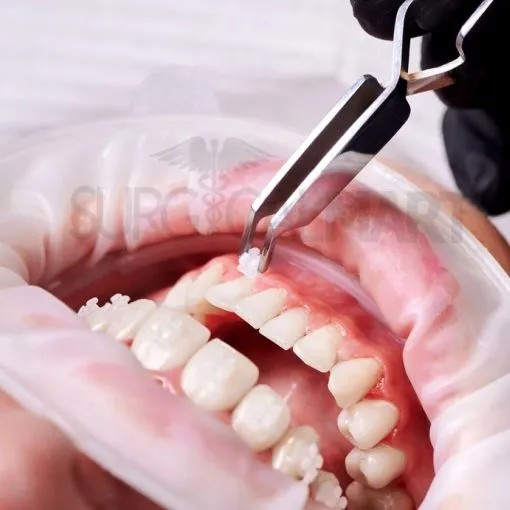

Why Accurate Bracket Placement Matters
Bracket positioning determines how forces are transmitted from the archwire to the teeth. Incorrect placement may result in:
- Extended treatment time
- Poor tooth alignment
- Unwanted rotations
- Improper torque expression
- Occlusal discrepancies
- Additional appointments for bracket repositioning
Using precision-engineered orthodontic instruments helps clinicians achieve ideal bracket positioning from the beginning, improving treatment efficiency and reducing complications.
Characteristics of High-Quality Bracket Placement Tools
Professional orthodontic instruments should provide:
- Excellent grip and control
- Lightweight ergonomic design
- Precise working tips
- High-quality surgical stainless steel
- Corrosion resistance
- Autoclavable construction
- Long-lasting durability
- Smooth instrument action
These characteristics improve handling while reducing operator fatigue during long procedures specialized tools and technologies designed specifically for precise bracket positioning.
Essential Bracket Placement Tools Every Orthodontist Should Know
1. Bracket Positioning Gauge
Primary Function
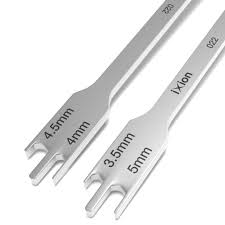
The Bracket Positioning Gauge is considered one of the most important orthodontic measuring instruments. It ensures brackets are bonded at consistent heights across different teeth.
Common measurement options include:
- 3.5 mm
- 4.0 mm
- 4.5 mm
- 5.0 mm
Some gauges combine multiple measurements into one instrument for greater efficiency.
Benefits
- Uniform bracket height
- Increased treatment accuracy
- Improved smile aesthetics
- Better torque control
- Reduced bracket repositioning
- Faster bonding procedures
Best Used For
Self-ligating systemsbracket placement and reduces operator fatigue, making it a staple in many orthodontic setups.
Fixed orthodontic appliances
Ceramic brackets
Metal brackets
2. Boone Gauge
The Boone Gauge is a classic in orthodontics. It’s a small metal ruler that helps position brackets at a standard vertical height from the incisal edge or occlusal surface. Though more manual than modern systems, it’s:
- Reliable
- Simple to use
- Inexpensive
However, it may require a more experienced hand to ensure consistency across the arch.


3. Positioning Tweezers and Bracket Holders
These tools are essential for gripping and placing brackets accurately:
- Reverse-action tweezers hold the bracket in place until released
- Fine-tip bracket holders allow for accurate rotational alignment
- Most are autoclavable and made from surgical-grade steel
These tools are often used in conjunction with other measuring instruments.


4. Indirect Bonding Trays
Indirect bonding is becoming increasingly popular due to its efficiency. These trays:
- Are custom-made for each patient
- Allow multiple brackets to be placed simultaneously
- Reduce chair time and increase precision
Digital scanning and 3D printing have made indirect bonding more accessible and accurate.


5. Digital Bracket Placement Software
With the rise of digital orthodontics, software like 3Shape OrthoAnalyzer and Dolphin Imaging offers:
- 3D simulations for bracket placement
- Virtual setups before physical bonding
- Enhanced patient visualization
This software integrates with intraoral scanners to create customized treatment plans.


6. Bracket Height Gauges
These specialized gauges ensure each bracket is placed at a uniform vertical height. Features include:
- Notched designs for precision
- Multiple sizes for different tooth types
- Laser-etched measurements for durability
These are ideal for orthodontists aiming for perfect alignment and symmetry.


7. LED Light Curing Units
Though not a placement tool per se, a high-quality curing unit is essential once brackets are in position. Look for:
- High-intensity output
- Fast curing times
- Ergonomic design for ease of use
Consistent curing is key to preventing bracket failure and ensuring long-term adhesion.
Digital Bracket Placement Technologies
Modern orthodontics increasingly combines traditional instruments with digital workflows.
Examples include:
- Digital bracket positioning software
- CAD/CAM indirect bonding trays
- Intraoral scanners
- 3D printed bonding trays
- AI-assisted treatment planning
Although digital systems improve planning accuracy, manual bracket placement tools remain indispensable during clinical procedures.
Factors to Consider When Choosing Bracket Placement Tools
Material Quality
Look for premium surgical-grade stainless steel that offers:
- Rust resistance
- Corrosion protection
- Long lifespan
- Easy sterilization
Ergonomic Design
Comfortable instruments reduce clinician fatigue during lengthy bonding appointments.
Important features include:
- Balanced weight
- Textured handles
- Smooth instrument action
- Comfortable grip
Precision Manufacturing
Poorly manufactured tips can reduce accuracy.
Choose instruments with:
- Laser-finished tips
- Tight tolerances
- Smooth edges
- Reliable measurements
Sterilization Compatibility
Orthodontic instruments should withstand repeated autoclave cycles without corrosion or loss of function.
Clinical Versatility
Multi-purpose instruments reduce instrument inventory while improving efficiency.
Benefits of Using High-Quality Bracket Placement Instruments
Premium orthodontic instruments provide numerous clinical advantages.
Improved Bonding Accuracy
Consistent bracket positioning improves tooth movement throughout treatment.
Reduced Chair Time
Well-designed instruments simplify handling and speed up bonding procedures.
Better Patient Experience
Accurate placement reduces unnecessary adjustments and follow-up appointments.
Increased Practice Efficiency
Reliable instruments improve workflow and treatment consistency.
Long-Term Cost Savings
High-quality stainless steel instruments last significantly longer than lower-grade alternatives.
Common Mistakes During Bracket Placement
Even experienced orthodontists can encounter placement challenges.
Common mistakes include:
- Incorrect bracket height
- Poor tooth isolation
- Excess adhesive
- Improper angulation
- Inconsistent positioning
- Inadequate visibility
- Using worn instruments
Investing in quality bracket placement tools helps minimize these issues.
Instrument Maintenance Tips
Proper care extends instrument life and preserves precision.
Recommended practices include:
- Clean immediately after use.
- Ultrasonically clean before sterilization.
- Inspect tips regularly.
- Lubricate moving joints when required.
- Store instruments in sterilization cassettes.
- Replace damaged or worn instruments promptly.


Conclusion
Successful orthodontic treatment begins with precise bracket positioning. From the Bracket Positioning Gauge to Bracket Holding Tweezers, Weingart Pliers, Bird Beak Pliers, and Ligature Directors, every instrument contributes to accurate appliance placement and predictable clinical outcomes.
High-quality bracket placement tools not only improve treatment precision but also enhance efficiency, reduce chair time, and provide a better experience for both orthodontists and patients. As digital workflows continue to evolve, dependable manual instruments remain the foundation of accurate orthodontic bonding.
Practices that invest in premium stainless steel orthodontic instruments benefit from greater durability, consistent performance, and long-term clinical success. ontic instruments, including the top-rated bracket placement tools at RheinDental.com.
Frequently Asked Questions
What is the most important bracket placement tool?
The Bracket Positioning Gauge is considered the most essential tool because it ensures accurate and consistent bracket height during bonding.
Why is bracket placement accuracy important?
Correct bracket placement improves tooth movement, treatment efficiency, finishing quality, and overall orthodontic outcomes.
Can digital orthodontics replace manual bracket placement tools?
Digital planning enhances precision, but clinicians still rely on manual instruments such as positioning gauges, bracket tweezers, and orthodontic pliers for accurate bracket placement.
Which material is best for orthodontic instruments?
Medical-grade surgical stainless steel offers excellent corrosion resistance, durability, and sterilization compatibility.
How often should orthodontic instruments be replaced?
Replacement depends on usage, maintenance, and wear. Regular inspection helps identify instruments that no longer provide accurate performance.