
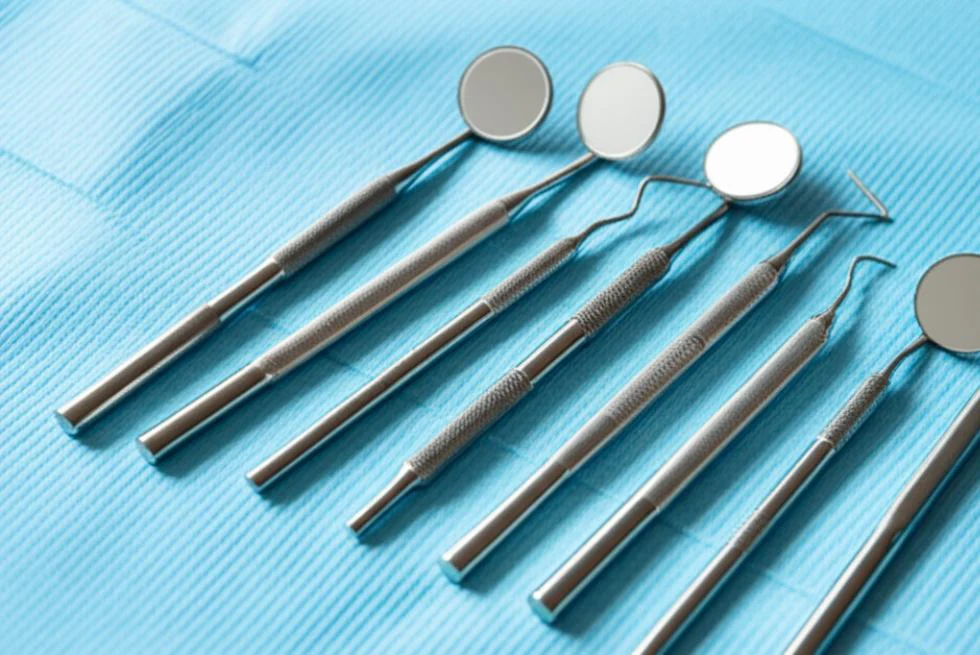
In modern dental practice, efficiency and comfort go hand in hand. While much attention is given to advanced equipment and techniques, the design of everyday instruments—like mirror handles—plays a critical role in a clinician’s performance and long-term health. Choosing between lightweight and standard mirror handles is not just a matter of preference; it directly impacts ergonomics, fatigue, and precision during extended examinations (Lightweight vs standard mirror handles).
Understanding the Difference
Lightweight mirror handles are typically made from materials like hollow stainless steel, aluminum, or resin composites. They are designed to reduce hand fatigue and improve maneuverability.
Standard mirror handles, on the other hand, are usually solid stainless steel. They offer a heavier, more balanced feel and are often preferred for their durability and control.
Ergonomic Impact on Dental Professionals
1. Reduced Hand Fatigue
During long procedures or back-to-back patient appointments, repetitive wrist and finger movements can lead to strain. Lightweight handles significantly reduce the load on hand muscles, allowing clinicians to work longer with less discomfort. This is especially beneficial for hygienists and dentists who perform extended examinations daily.
2. Improved Precision and Control
While standard handles provide a solid grip and a sense of stability, lightweight handles enhance fine motor control. The reduced weight allows for quicker adjustments and smoother movements, which can be crucial when working in tight or sensitive areas of the oral cavity.
3. Prevention of Musculoskeletal Disorders
Prolonged use of heavy instruments can contribute to conditions like carpal tunnel syndrome and tendonitis. Lightweight mirror handles help minimize repetitive strain injuries by lowering the physical stress placed on the wrist and forearm.
When Standard Handles Make Sense
Despite the advantages of lightweight designs, standard mirror handles still have their place in clinical settings:
- Better tactile feedback: The added weight can provide a more controlled feel during certain procedures.
- Durability: Solid stainless steel handles are highly resistant to wear and repeated sterilization.
- Preference-based comfort: Some practitioners simply prefer the balance and familiarity of traditional handles.
Finding the Right Balance
The ideal choice often depends on the nature of your work:
- For routine examinations and long sessions, lightweight handles are ideal for reducing fatigue.
- For procedures requiring firm grip and stability, standard handles may offer better control.
- Many professionals benefit from using both, switching based on the procedure and duration.
Final Thoughts
Ergonomics in dentistry is not just about posture—it extends to every tool in your hand. Investing in the right mirror handle can improve comfort, enhance precision, and protect your long-term health. Whether you opt for lightweight or standard designs, the key is to choose instruments that support your workflow and reduce physical strain over time.
A small change in instrument design can make a big difference in daily practice.