Barbed Broaches in Root Canal Treatments – Barbed Broaches in Endodontics
When it comes to modern endodontic therapy, precision and efficiency are key to achieving long-term success. Among the various tools used during a root canal procedure, barbed broaches play a small but crucial role. Though often overshadowed by rotary files and irrigating systems, barbed broaches remain an essential instrument for effective pulp tissue removal and canal cleaning.
What Are Barbed Broaches?
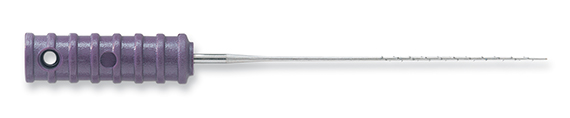
A barbed broach is a slender, tapered, hand-held endodontic instrument made of stainless steel or nickel-titanium. Its surface is studded with tiny, backward-facing barbs, which help in snagging and removing the soft pulp tissue from the root canal.
Barbed broaches are among the oldest and most traditional tools in endodontics, yet they continue to be used in both manual and preliminary stages of canal preparation.
Design and Structure
A typical barbed broach consists of:
- Handle: Usually color-coded for easy identification and grip.
- Shank: The main working part with multiple barbs created by notching the metal shaft.
- Tip: Tapered to facilitate insertion into the canal without causing damage.
The length of a barbed broach generally ranges from 21 mm to 25 mm, depending on the canal depth and tooth being treated.
Functions of Barbed Broaches in Root Canal Treatment
- Removal of Vital or Necrotic Pulp:
The primary purpose of a barbed broach is to engage and extract pulp tissue remnants from the canal. - Cleaning of the Coronal Portion:
It helps in removing loose debris or cotton fibers during canal irrigation and dressing changes. - Assistance in Initial Canal Negotiation:
Barbed broaches can aid in creating a clear path for subsequent filing and shaping instruments.
Advantages of Barbed Broaches
- Efficient removal of pulp tissue.
- Simple and economical tool.
- Easy to use with manual control.
- Reduces load on subsequent filing instruments.
Precautions and Limitations
While useful, barbed broaches require careful handling:
- Avoid excessive force. Over-engagement of barbs can cause instrument fracture or canal damage.
- Use only in large, straight canals. They are not suitable for narrow or curved canals due to the risk of breakage.
- Always use a single broach per patient to maintain hygiene and prevent cross-contamination.
Modern Relevance in Endodontics
Even with the advent of rotary systems and ultrasonic cleaning methods, barbed broaches remain a fundamental tool in endodontic kits. Their ability to physically extract soft tissue remnants before chemical irrigation makes them indispensable for complete debridement.
In contemporary dental practice, barbed broaches are often used in conjunction with irrigating solutions like sodium hypochlorite and rotary NiTi files, ensuring both mechanical and chemical canal cleanliness.
Conclusion
The barbed broach may be a simple instrument, but its contribution to endodontic success cannot be underestimated. By effectively removing pulp remnants and aiding in initial canal cleaning, it sets the stage for smooth instrumentation and obturation. Every clinician performing root canal therapy should understand its structure, purpose, and safe handling to maximize treatment efficiency and patient comfort.