
Bleeding control is one of the most critical aspects of any surgical procedure. Whether performing routine dental surgery, general surgery, orthopedic procedures, or emergency trauma care, surgeons rely on hemostatic forceps to temporarily or permanently control blood flow. These precision-crafted surgical instruments are specifically designed to grasp blood vessels, clamp tissues, and minimize blood loss while providing surgeons with enhanced visibility and precision.
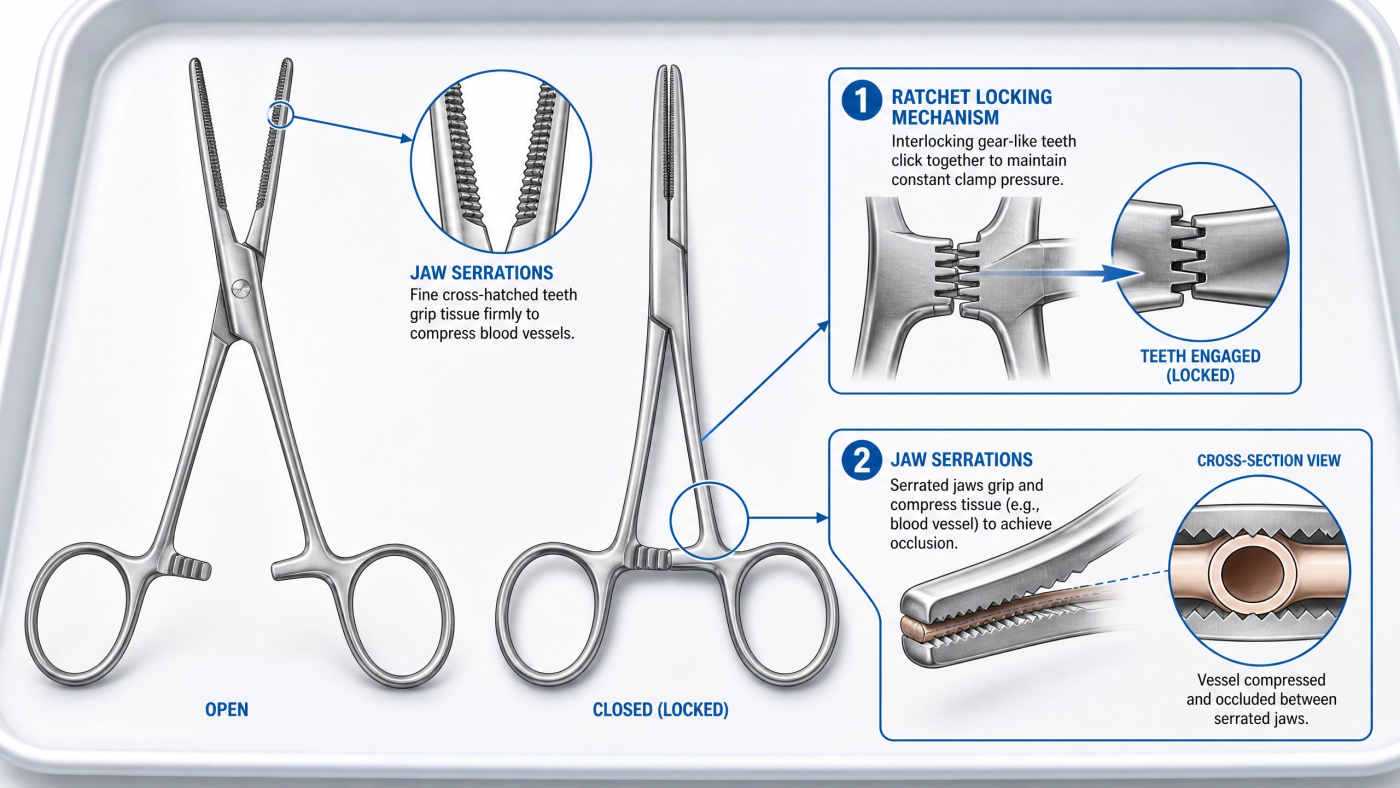
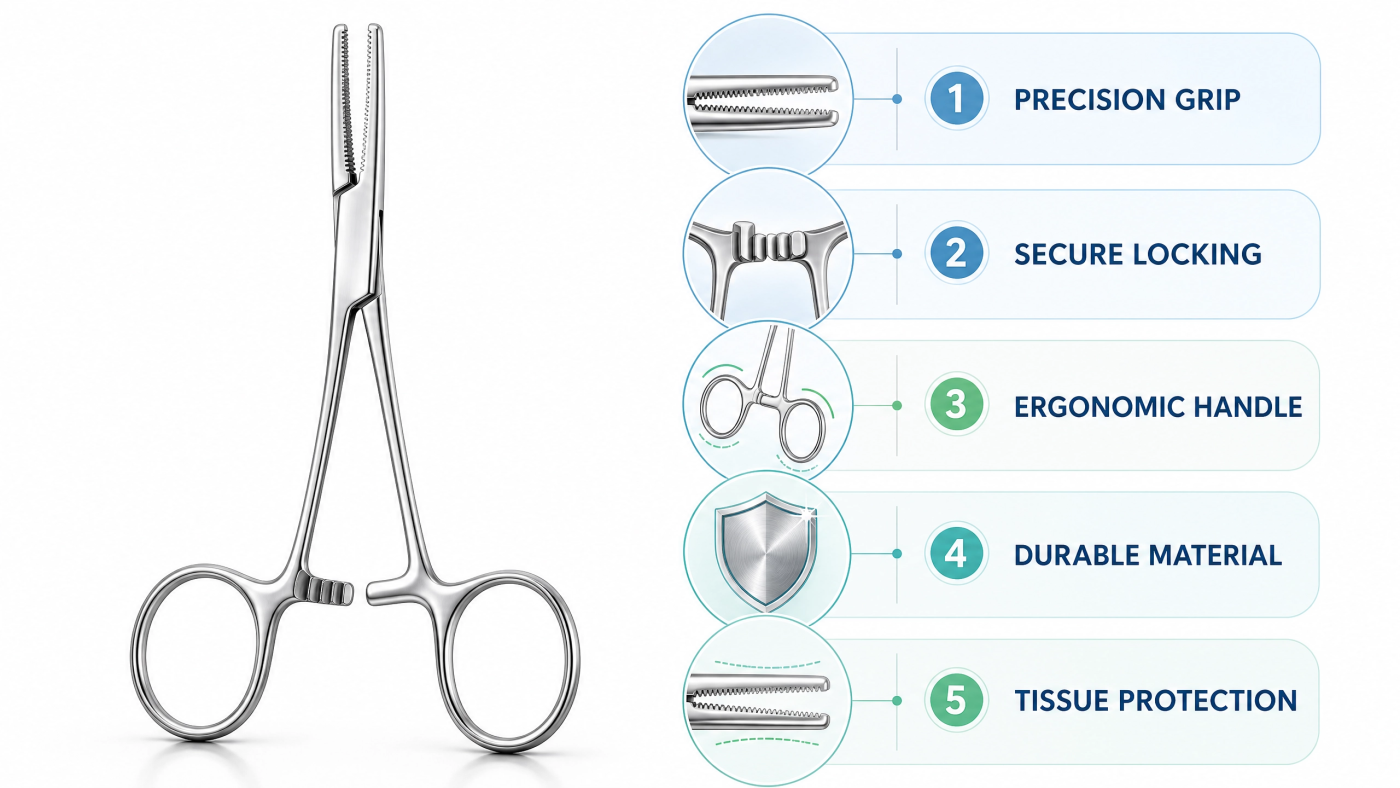
One of the defining features that makes hemostatic forceps indispensable is their locking mechanism (ratchet) and jaw serrations. Together, these design elements allow surgeons to securely clamp vessels without maintaining continuous hand pressure, improving efficiency and reducing fatigue during lengthy procedures.
In this comprehensive guide, we’ll explain how hemostatic forceps work, examine their components, discuss different types, and highlight best practices for selecting and maintaining these essential surgical instruments.
What Are Hemostatic Forceps?
Hemostatic forceps, often called artery forceps or surgical clamps, are reusable surgical instruments designed to control bleeding by clamping blood vessels before ligation, cauterization, or suturing.
Their primary function is achieving hemostasis, which refers to stopping or controlling bleeding during medical procedures.
They are commonly used in:
- General surgery
- Dental surgery
- Oral and maxillofacial surgery
- Cardiovascular procedures
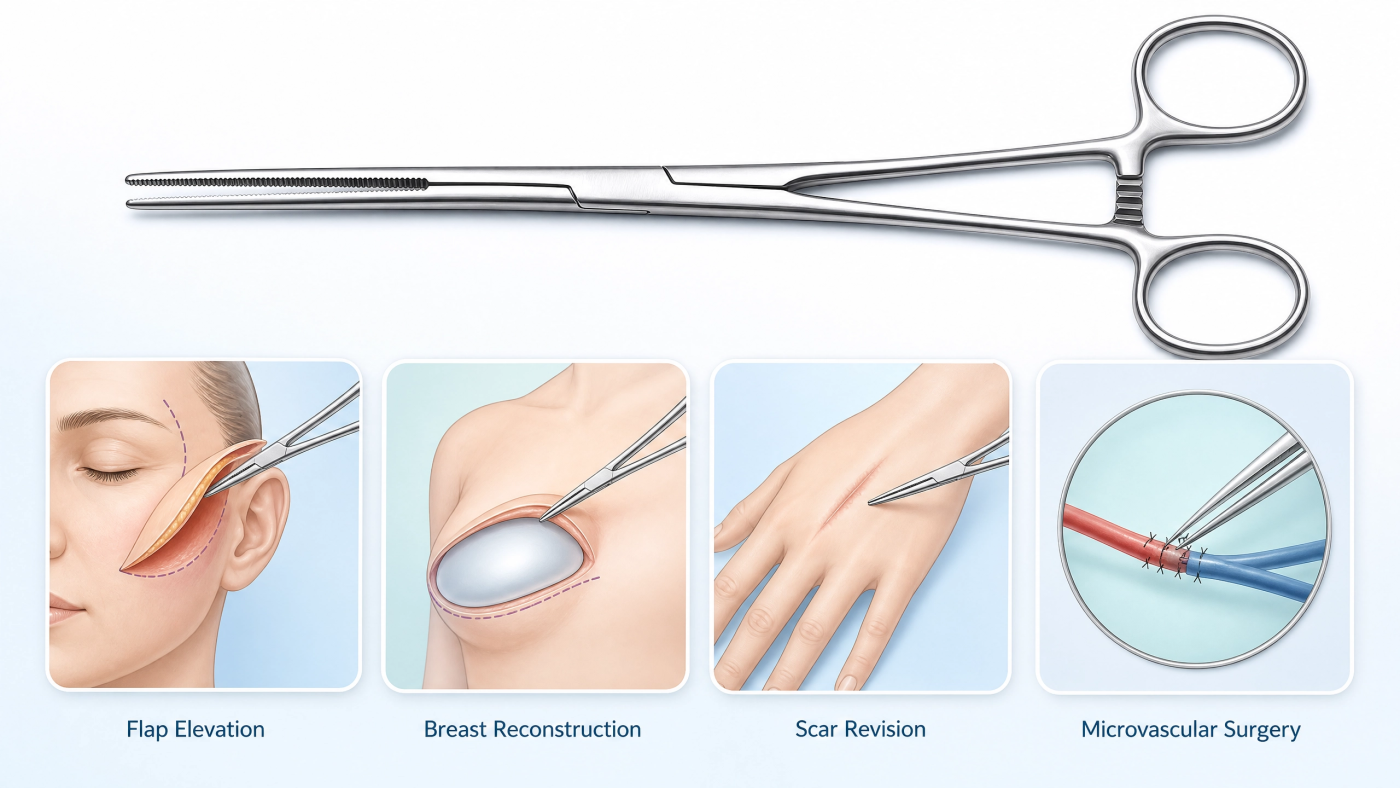
- Plastic surgery
- Veterinary surgery
- Orthopedic surgery
- Emergency medicine
- Gynecological procedures
Because they provide secure vessel occlusion with minimal tissue trauma, hemostatic forceps remain one of the most frequently used instruments in operating rooms worldwide.
Why Hemostasis Matters During Surgery
Excessive bleeding can significantly affect surgical outcomes by:
- Obstructing the surgical field
- Increasing infection risk
- Extending operating time
- Complicating tissue repair
- Increasing transfusion requirements
- Reducing procedural precision
Hemostatic forceps help surgeons maintain a clear operative field while protecting surrounding tissues from unnecessary damage.
Anatomy of Hemostatic Forceps
Understanding each component helps explain why these instruments perform so effectively.
1. Finger Rings
Large ergonomic rings provide comfortable handling while allowing controlled opening and closing movements.
2. Shanks
The elongated handles transmit force from the surgeon’s fingers to the jaws while maintaining precise control.
3. Box Lock Joint
The box lock acts as the instrument’s hinge, ensuring smooth jaw movement and proper alignment.
A high-quality box lock reduces wear over thousands of sterilization cycles.
4. Ratchet Locking Mechanism
The ratchet consists of interlocking teeth positioned near the finger rings.
This mechanism allows surgeons to:
- Lock the instrument at different pressure levels
- Maintain vessel compression
- Free both hands for additional surgical tasks
- Reduce hand fatigue
- Improve procedural efficiency
5. Serrated Jaws
The working tips feature finely machined serrations that enhance grip without excessively damaging tissues.
Jaw serrations prevent slippage while maintaining consistent compression.
How the Locking Mechanism Works
The ratchet locking system is arguably the most important feature of hemostatic forceps.
Step 1
The surgeon positions the jaws around a blood vessel.
Step 2
Gentle pressure closes the handles.
Step 3
The ratchet teeth engage.
Step 4
The instrument remains locked independently.
Step 5
The vessel stays securely clamped until the surgeon intentionally releases the lock.
This design eliminates the need for continuous squeezing, allowing surgeons to perform additional procedural steps safely.
Why Jaw Serrations Are So Important
Without serrations, smooth jaws would allow vessels to slide during surgery.
Jaw serrations improve:
- Tissue grip
- Vessel stability
- Controlled compression
- Precision
- Reduced accidental release
The spacing, depth, and pattern of serrations are carefully engineered to maximize holding strength while minimizing tissue injury.
Types of Jaw Serrations
Transverse Serrations
Run horizontally across the jaws.
Ideal for:
- Blood vessels
- Soft tissues
- General surgery
Longitudinal Serrations
Provide improved alignment during specialized procedures.
Often found on delicate microsurgical instruments.
Cross Serrations
Offer multidirectional gripping.
Useful when handling slippery tissue.
Common Types of Hemostatic Forceps
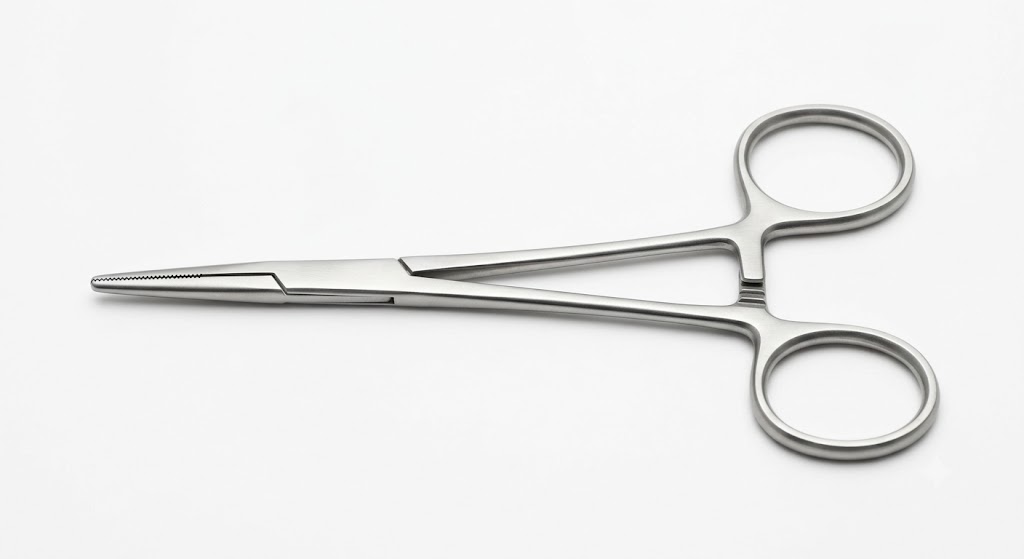
Mosquito Hemostatic Forceps
Designed for:
- Small blood vessels
- Pediatric surgery
- Dental surgery
- Microsurgery
Features:
- Fine tips
- Delicate serrations
- Lightweight design
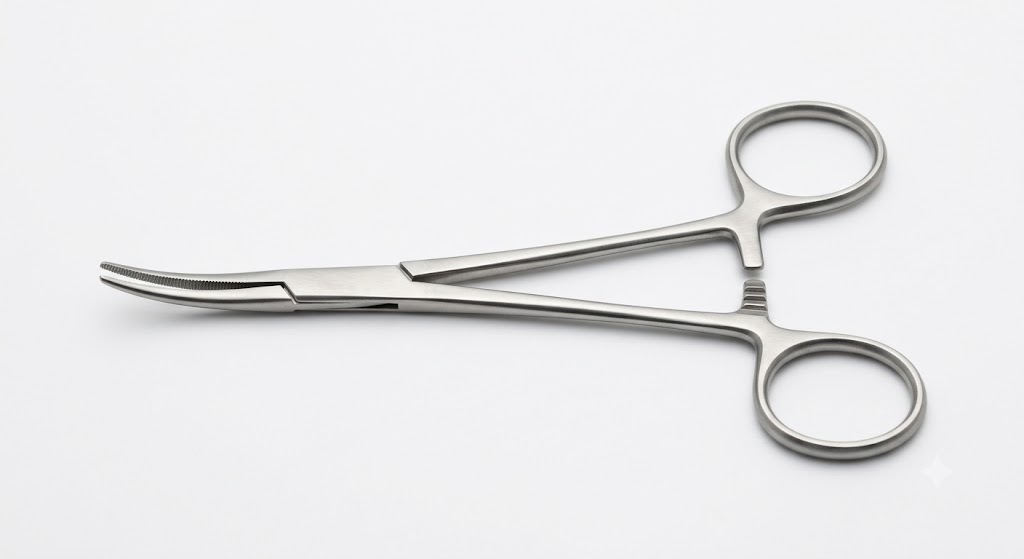
Kelly Hemostatic Forceps
Suitable for:
- Medium vessels
- Soft tissue dissection
Characteristics:
- Partial jaw serrations
- Versatile applications
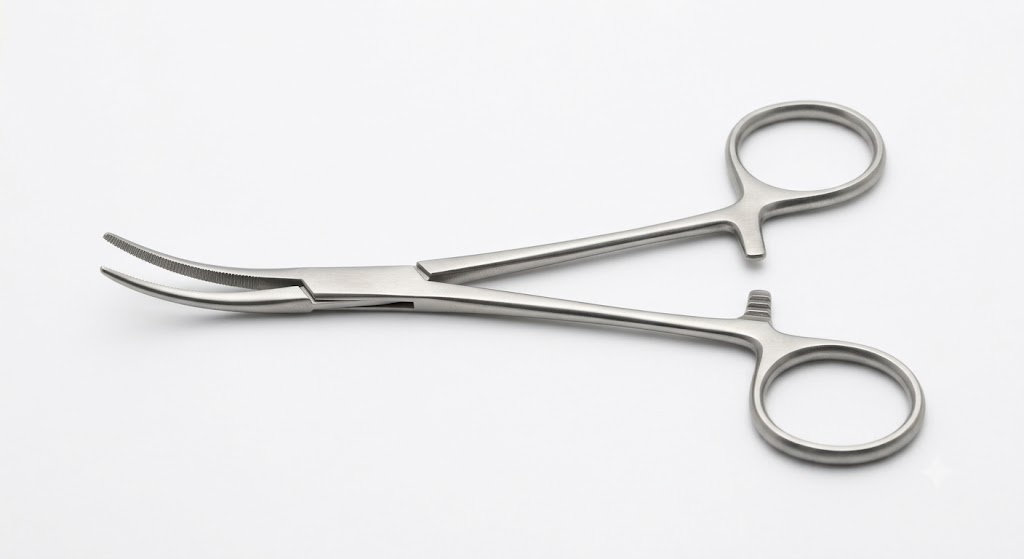
Crile Hemostatic Forceps
Often confused with Kelly forceps.
Key difference:
Crile forceps have serrations running the entire jaw length.
Ideal for:
- General surgery
- Tissue clamping
- Vessel occlusion
Rochester-Pean Forceps
Built for:
- Larger vessels
- Dense tissues
- Heavy surgical applications
Their broader jaws generate stronger clamping force.
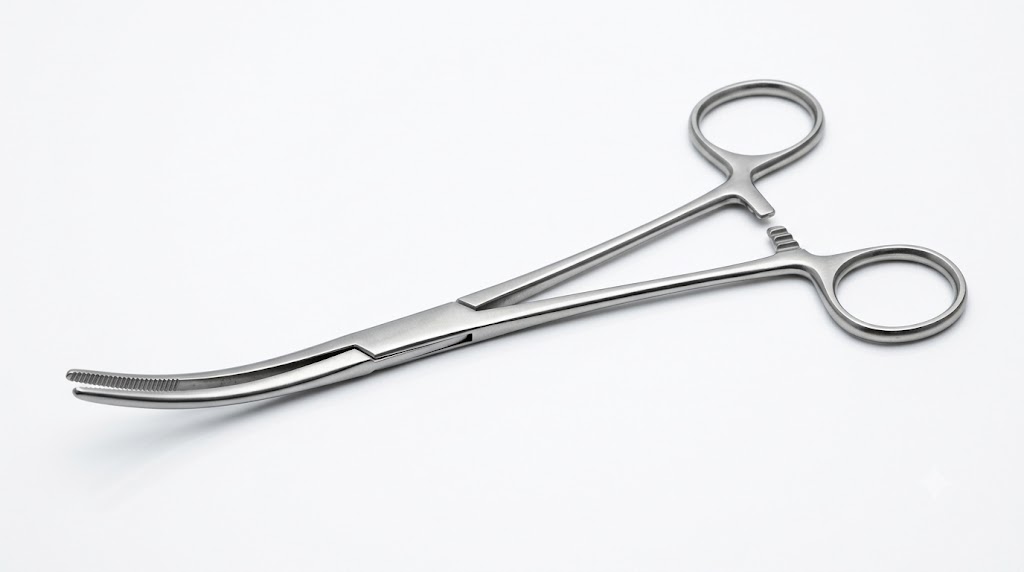
Rochester-Carmalt Forceps
Recognized by:
- Longitudinal serrations
- Cross-serrated tips
Commonly used in:
- Gynecological surgery
- Abdominal surgery
- Large pedicle clamping
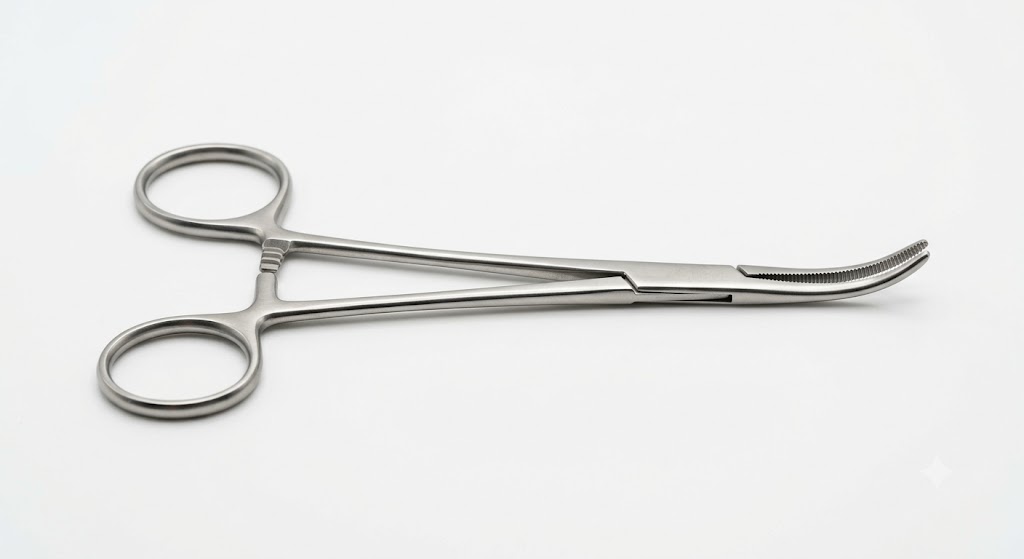
Straight vs Curved Hemostatic Forceps
Straight Forceps
Best suited for:
- Surface vessels
- Dressing applications
- Easy access procedures
Advantages:
- Direct visibility
- Simple handling
Curved Forceps
Preferred for:
- Deep surgical fields
- Confined spaces
- Tissue navigation
Benefits:
- Improved access
- Better visualization
- Reduced obstruction
Materials Used in Hemostatic Forceps
Premium surgical forceps are typically manufactured from:
German Stainless Steel
Advantages include:
- Corrosion resistance
- Excellent durability
- Precision machining
- Long service life
Medical-Grade Stainless Steel
Provides:
- Sterilization compatibility
- High strength
- Smooth finish
- Biocompatibility
Some premium models feature tungsten carbide inserts for enhanced grip and wear resistance.
Applications Across Medical Specialties
Hemostatic forceps play a vital role in numerous healthcare settings.
General Surgery
- Vessel clamping
- Tissue handling
- Bleeding control
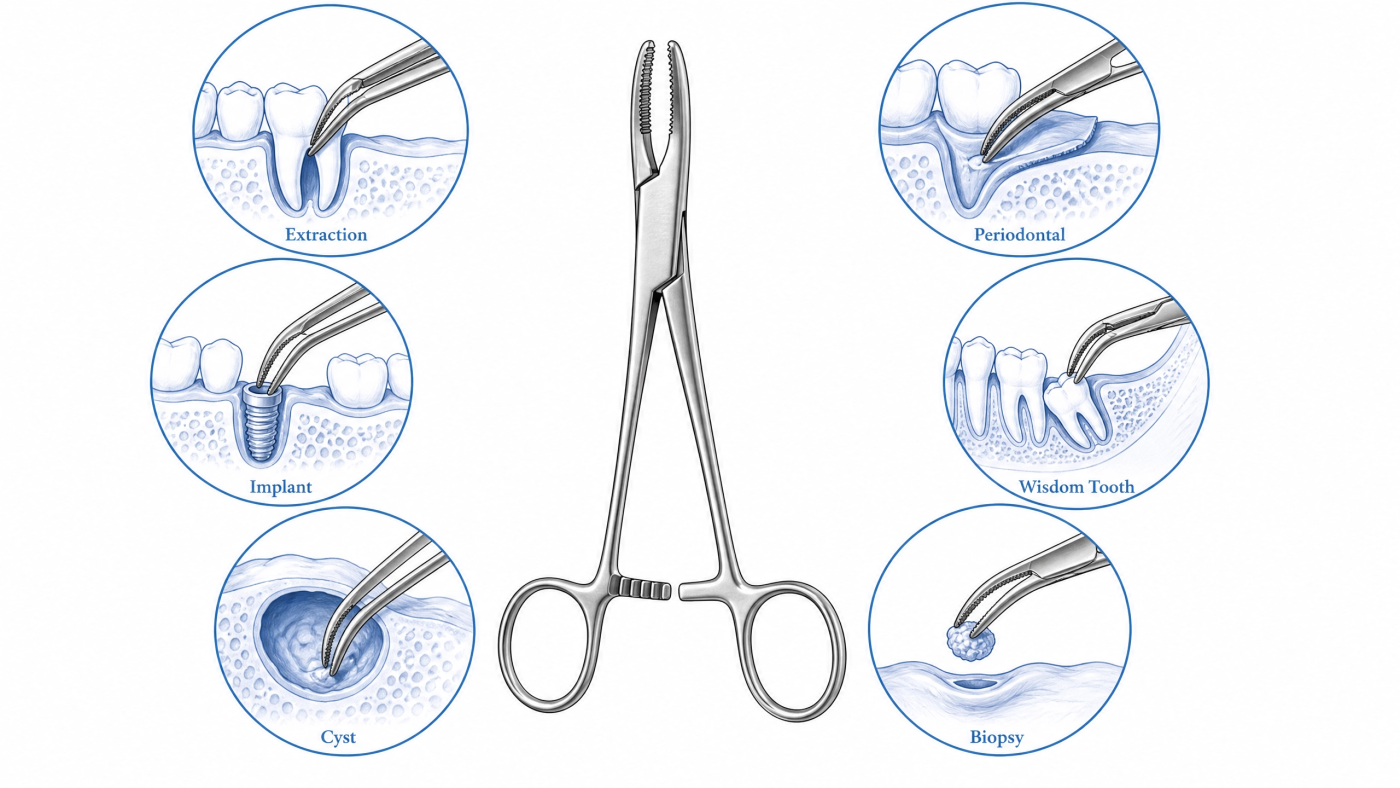
Dental Surgery
Used during:
- Tooth extractions
- Implant placement
- Periodontal surgery
- Bone grafting
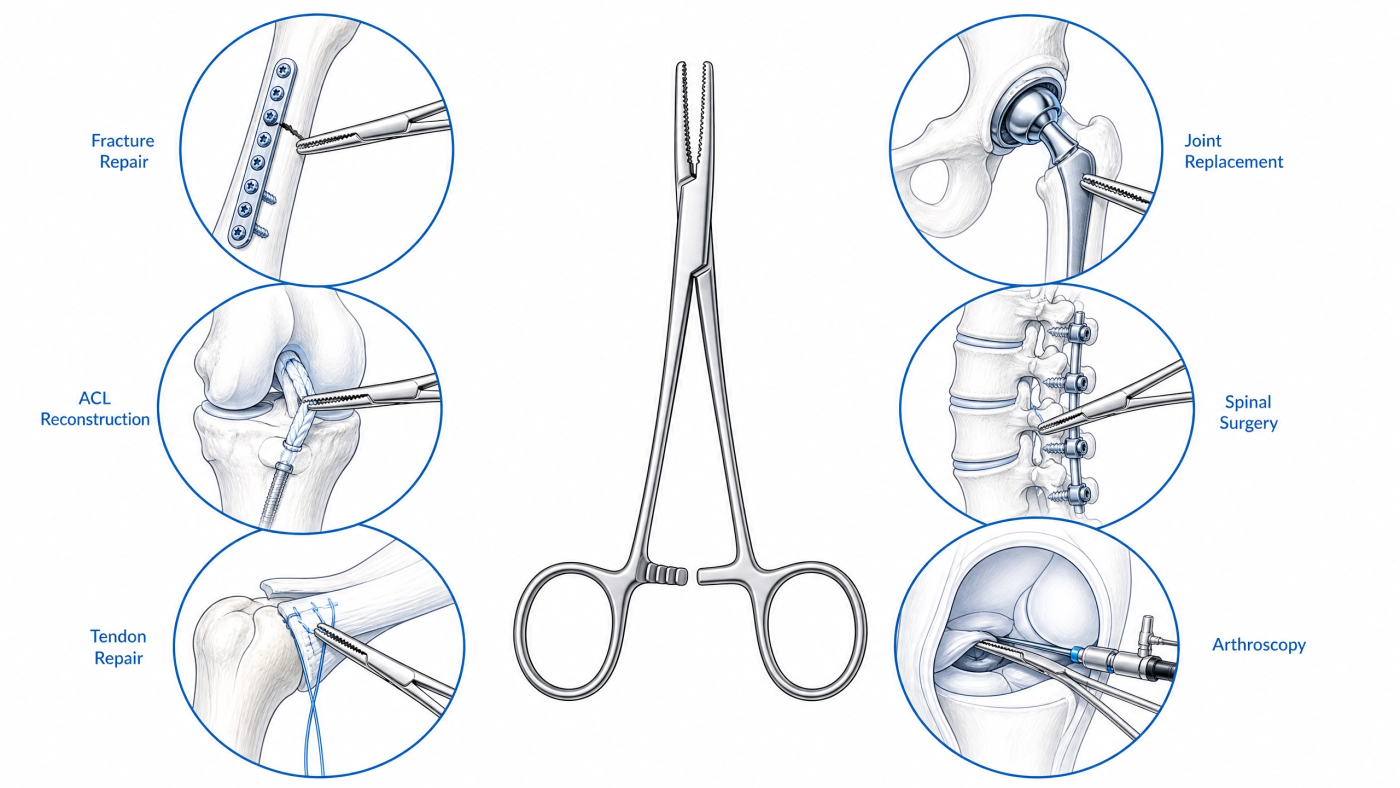
Orthopedic Surgery
Assist in:
- Exposure
- Vessel management
- Soft tissue handling
Plastic Surgery
Enable:
- Precise vessel control
- Delicate tissue preservation
- Improved cosmetic outcomes
Proper Cleaning and Sterilization
Maintaining reusable hemostatic forceps extends their lifespan and preserves performance.
Recommended steps include:
- Rinse immediately after use.
- Remove biological debris using approved enzymatic cleaners.
- Inspect jaw alignment.
- Lubricate box locks with surgical instrument lubricant.
- Sterilize using validated steam autoclave cycles.
- Store in dry, protective instrument trays.
Routine maintenance minimizes corrosion and mechanical wear.
Common Mistakes to Avoid
Avoid these practices:
- Using forceps beyond their intended purpose
- Applying excessive clamping force
- Ignoring worn ratchet teeth
- Sterilizing without proper cleaning
- Storing wet instruments
- Using damaged or misaligned forceps
Regular inspection ensures patient safety and reliable instrument performance.
Benefits of High-Quality Hemostatic Forceps
Investing in premium surgical instruments offers several advantages:
Reliable vessel occlusion
Reduced tissue trauma
Enhanced surgical precision
How to Choose the Right Hemostatic Forceps
When selecting surgical forceps, consider:
Procedure Type
Different surgeries require varying jaw sizes and force levels.
Jaw Configuration
Choose straight or curved jaws based on surgical access.
Locking Quality
Ensure smooth, secure ratchet engagement.
Material
High-grade stainless steel offers greater longevity and corrosion resistance.
Ergonomics
Comfortable finger rings reduce fatigue during prolonged procedures.
Sterilization Compatibility
Verify compatibility with repeated autoclave cycles.
Conclusion
Hemostatic forceps remain among the most essential instruments in modern surgery because of their ability to provide fast, reliable bleeding control. Their carefully engineered locking mechanisms allow surgeons to maintain consistent pressure without continuous hand effort, while jaw serrations ensure a firm grip on blood vessels and tissues with minimal slippage.
From routine dental procedures to complex cardiovascular operations, selecting the appropriate hemostatic forceps contributes to safer surgeries, greater procedural efficiency, and improved patient outcomes. Choosing high-quality stainless steel instruments, following proper sterilization protocols, and performing regular maintenance help ensure long-term reliability and precision in every surgical setting.
Frequently Asked Questions
What are hemostatic forceps used for?
Hemostatic forceps are surgical instruments used to clamp blood vessels, control bleeding, grasp tissues, and assist surgeons during various medical procedures.
Why do hemostatic forceps have locking mechanisms?
The ratchet locking mechanism maintains consistent clamping pressure without requiring continuous hand force, improving efficiency and reducing surgeon fatigue.
What is the purpose of jaw serrations?
Jaw serrations improve grip, prevent tissue slippage, and provide stable vessel compression while minimizing tissue damage.
Are hemostatic forceps reusable?
Yes. Most high-quality hemostatic forceps are reusable and designed to withstand repeated cleaning and steam sterilization when maintained according to manufacturer guidelines.
What is the difference between Kelly and Crile forceps?
Kelly forceps have serrations on only part of the jaw, whereas Crile forceps feature serrations along the entire jaw length, providing a more secure grip on tissues and vessels.

Global Accessibility