
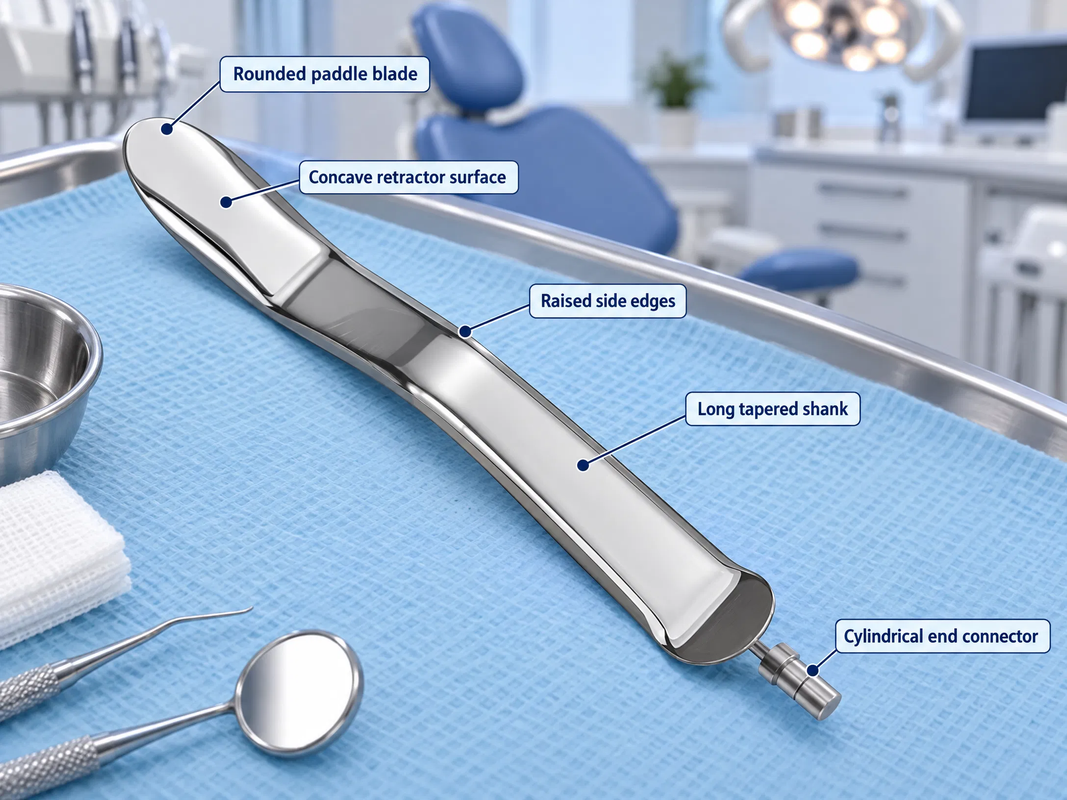
Oral surgery requires clear visibility, controlled tissue retraction, and precision handling of soft tissues. Among the essential instruments used to achieve these goals is the Minnesota retractor. Known for its double-ended design and ergonomic structure, this instrument helps surgeons maintain a clear surgical field while minimizing trauma to surrounding tissues (Minnesota Retractor Design). In procedures […]
Dental Instruments Blog
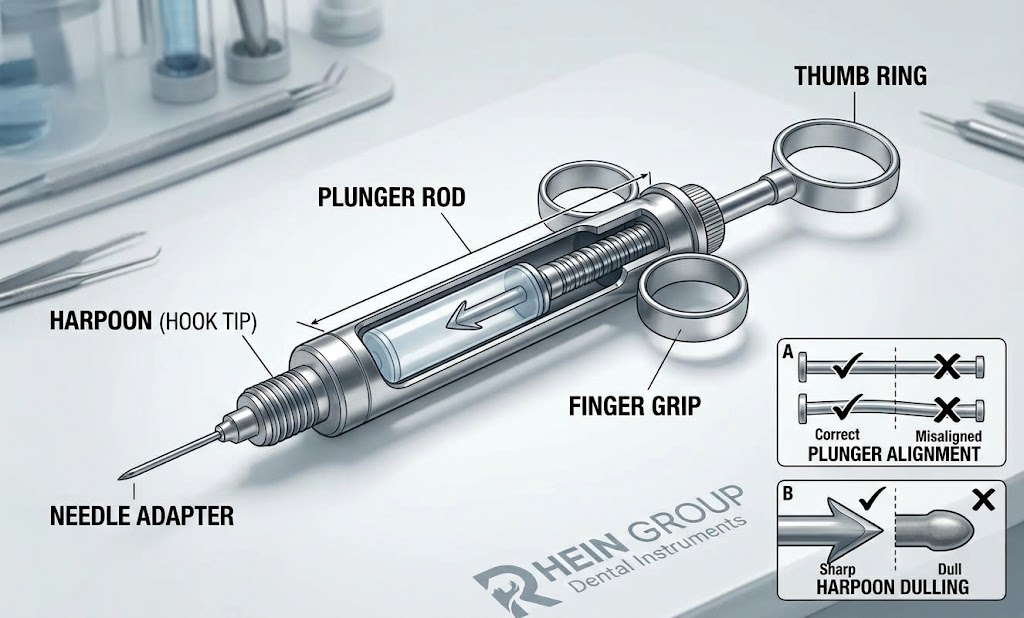
Cartridge Syringe Structural Features: Preventing Harpoon Dulling and Ensuring Smooth Plunger Action
10
Mar
Mar
Cartridge syringes are essential instruments used for administering local anesthesia in dental and medical procedures. Their reliability depends not only on proper handling but also on regular maintenance. Understanding the structural features of a cartridge syringe and maintaining its components correctly helps prevent harpoon dulling, ensures smooth plunger movement, and improves overall injection precision (Cartridge […]
10
Mar
Mar
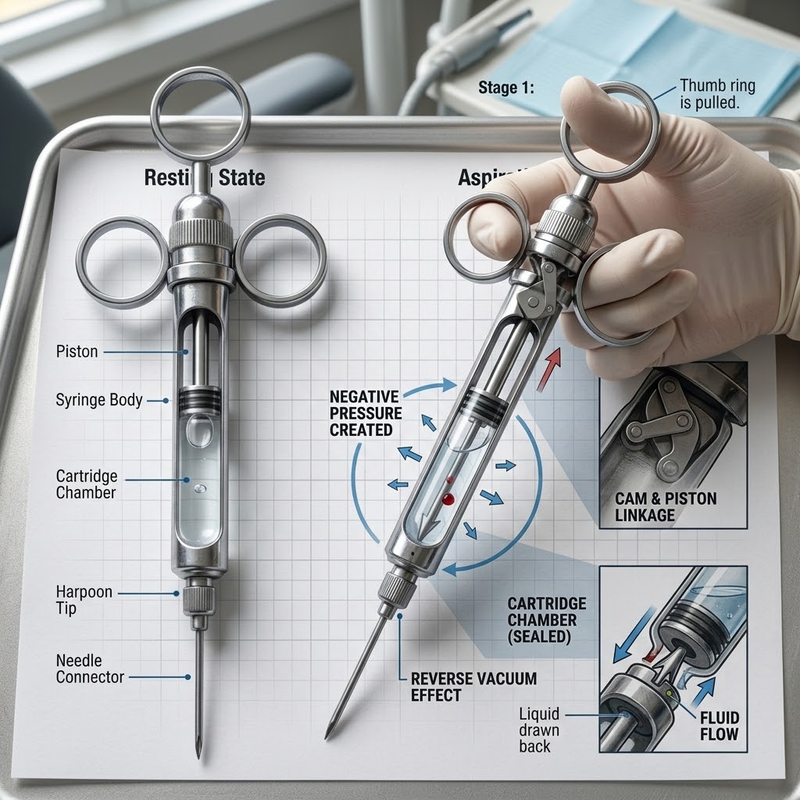
Local anesthesia delivery requires precision, control, and safety. One innovation that has significantly improved dental injection techniques is the self-aspirating syringe. Unlike traditional aspirating syringes, this instrument eliminates the need for manual aspiration by using a specially engineered thumb ring mechanism that automatically creates negative pressure. Understanding the structural features of self-aspirating syringes helps clinicians […]
Dental Instruments Blog
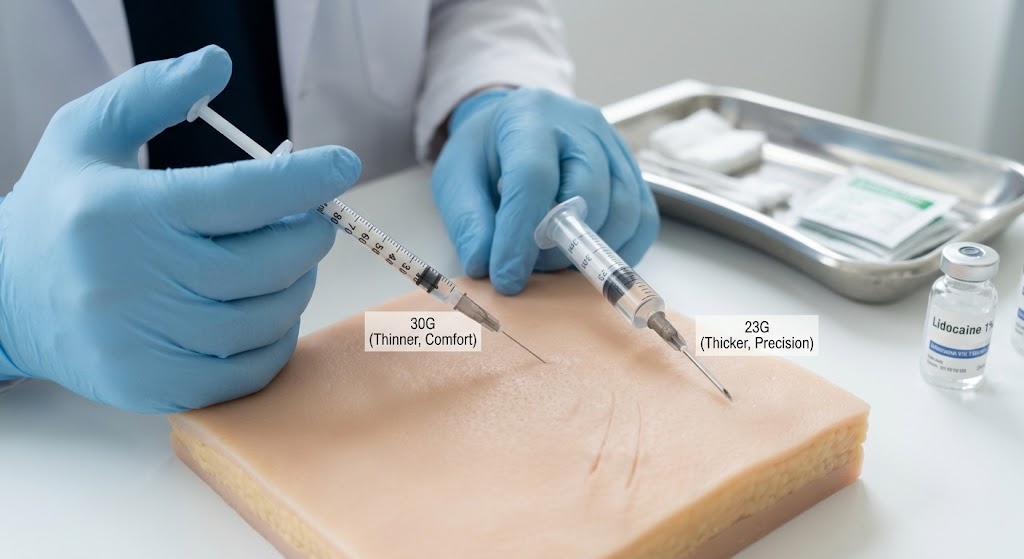
Needle Gauge Selection for Local Anesthesia: Balancing Patient Comfort with Injection Precision
10
Mar
Mar
Local anesthesia is a routine yet critical part of many medical and dental procedures. While the anesthetic solution plays an important role, the needle gauge used for the injection can significantly affect both patient comfort and clinical accuracy. Selecting the correct needle gauge helps clinicians deliver anesthesia effectively while minimizing patient anxiety and tissue trauma. […]
08
Mar
Mar
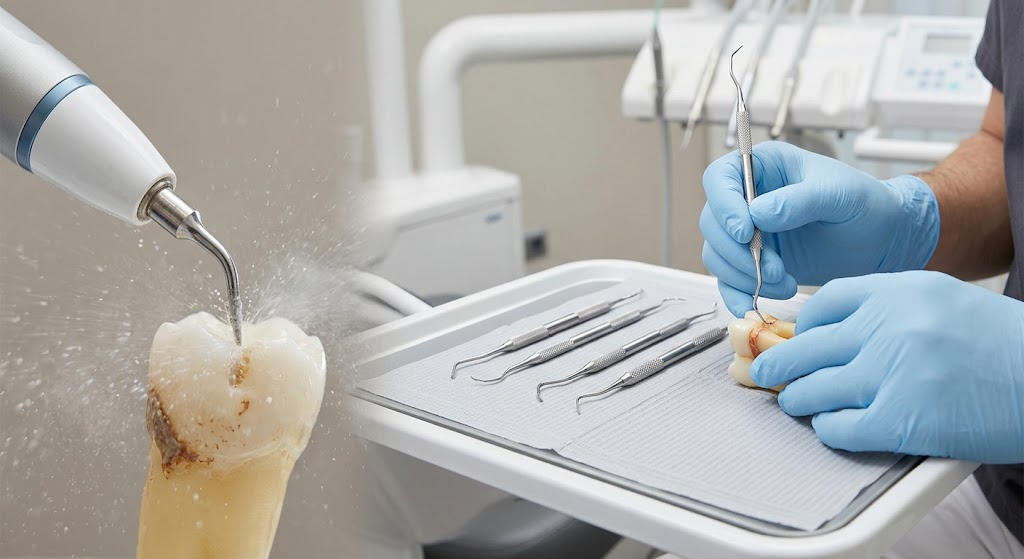
In modern dentistry, efficient plaque and calculus removal is critical for both patient health and clinician productivity. Dental professionals often choose between ultrasonic scalers and manual hand scalers, each offering unique advantages. While ultrasonic scalers excel in speed, there are situations where manual instruments provide superior control, precision, and safety (Manual vs Ultrasonic Scalers). Understanding […]
Dental Instruments Blog
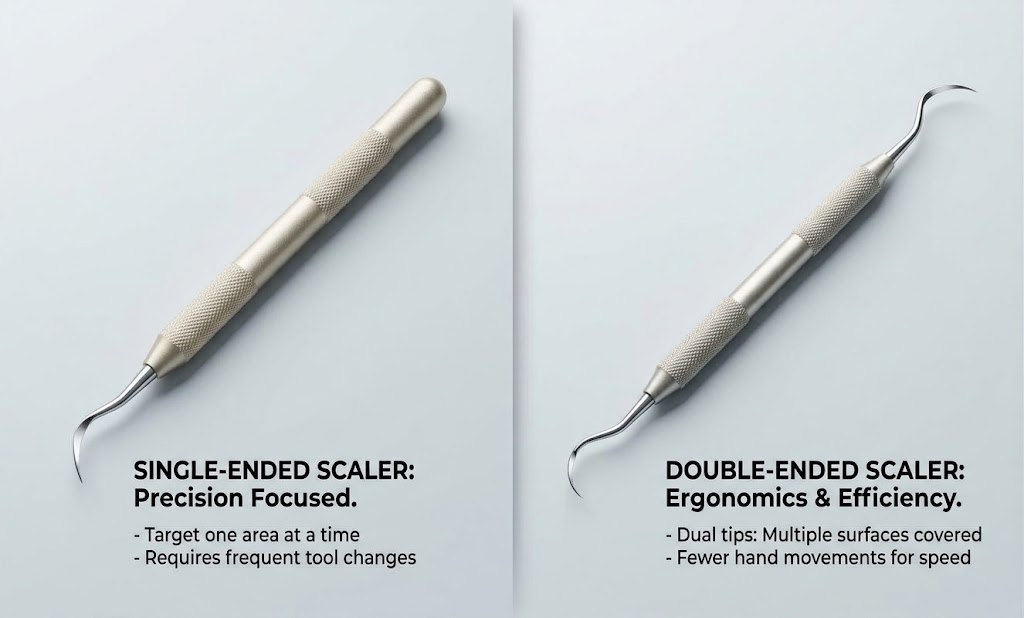
Double-Ended vs. Single-Ended Dental Scalers: Which Is Better for Ergonomics and Efficiency
08
Mar
Mar
Dental scalers are vital instruments for effective plaque and calculus removal, and choosing the right type can significantly impact both clinician comfort and procedural outcomes. Double-ended and single-ended scalers each have unique advantages, and understanding their ergonomic benefits and efficiency can optimize dental practice performance. Understanding Single-Ended Scalers Single-ended scalers have a cutting edge on […]
Orthodontic Instruments Blog
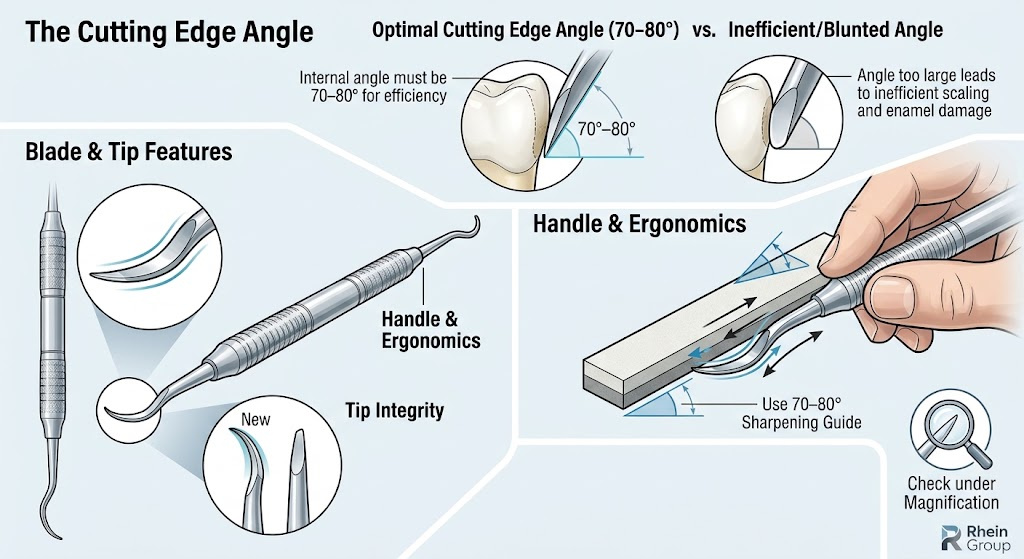
Dental Scaler Sharpening Guide: Keep the Right Cutting Edge Angle for Better Performance
08
Mar
Mar
Dental scalers are essential instruments for effective plaque and calculus removal in dental practice. Maintaining their sharpness not only improves clinical efficiency but also ensures patient comfort and clinician safety. One of the most critical aspects of scaler maintenance is preserving the 70–80° cutting edge angle, alongside attention to the blade, tip, and handle features […]
Orthodontic Instruments Blog
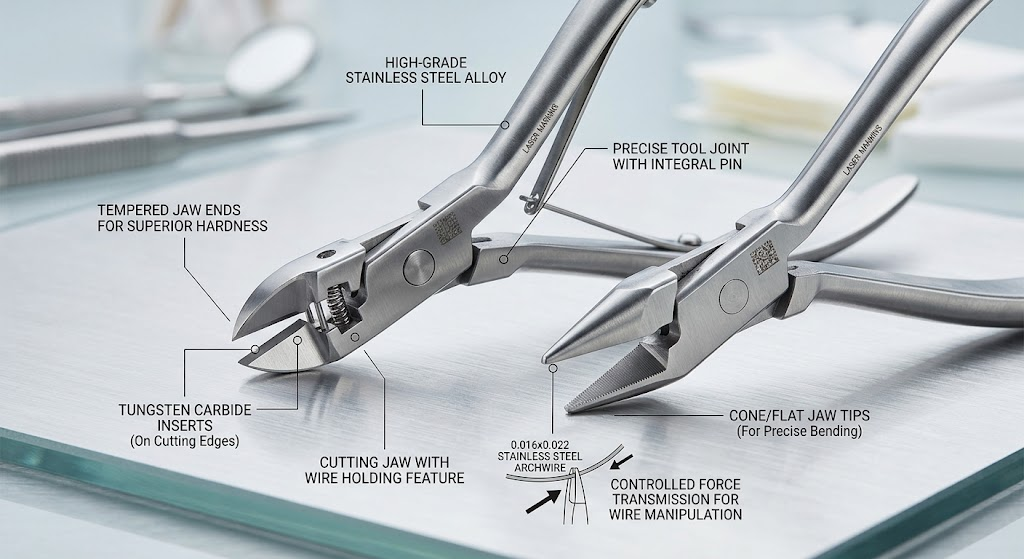
Stainless Steel Orthodontic Tools: Structural Features and Why Material Hardness Matters for Wire Manipulation
05
Mar
Mar
Orthodontic treatment depends heavily on precise wire manipulation. From bending archwires to adjusting loops and controlling torque, orthodontists rely on specialized instruments designed for accuracy and durability. Among the most widely used materials for these instruments is stainless steel, valued for its strength, corrosion resistance, and long-term reliability. However, the effectiveness of orthodontic tools is […]
Orthodontic Instruments Blog
Band Seating and Removal: Understanding the Mechanics of Orthodontic Positioning Tools
05
Mar
Mar
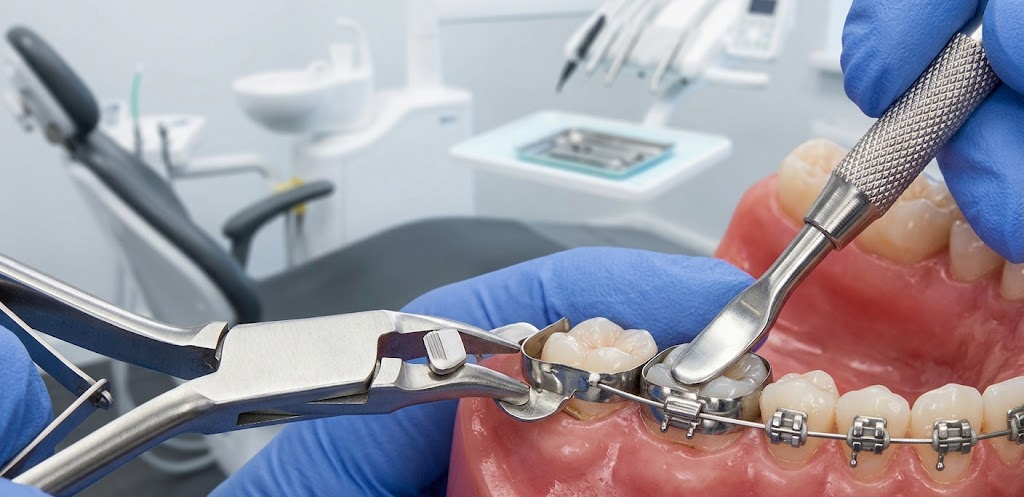
Orthodontic treatment relies on precision at every stage, from bracket placement to band positioning. Among the most essential instruments used in orthodontic procedures are band seating and removal tools, which help clinicians accurately place and safely remove orthodontic bands. These instruments are designed to improve control, reduce chair time, and enhance patient comfort during treatment. […]
Orthodontic Instruments Blog
Wire Bending Pliers vs. Cutters: Beak Structure, Cutting Mechanism & Grip Design in Orthodontics
02
Mar
Mar
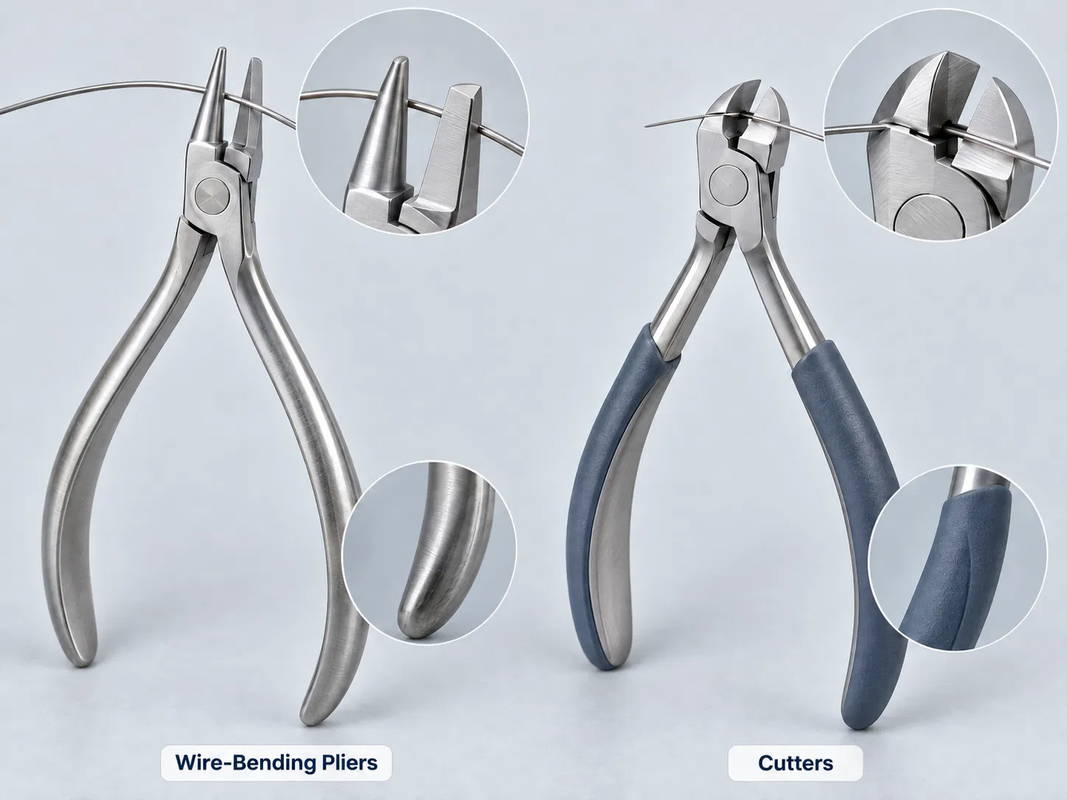
Orthodontic treatment depends heavily on precision wire adjustments. From forming loops to trimming excess archwire, clinicians rely on two essential instrument categories: wire bending pliers and orthodontic cutters. Although they may appear similar at first glance, their beak structure, cutting mechanisms, and grip design are fundamentally different. Understanding these structural features helps clinicians select the […]